A maiden flight kept strictly under wraps
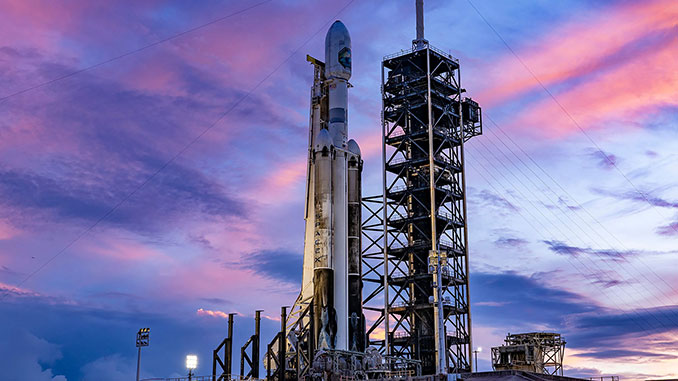
On Monday, June 2, 2026, China successfully completed the first flight of the Long March 12B rocket — and almost no one saw it coming. No notices were issued to international civil aviation authorities in advance, no state media previews appeared, and no technical briefings were shared with the launch community. The mission was confirmed only after the fact, a pattern that has appeared before in Chinese government launches but is unusual for the debut of a new commercial-class vehicle.
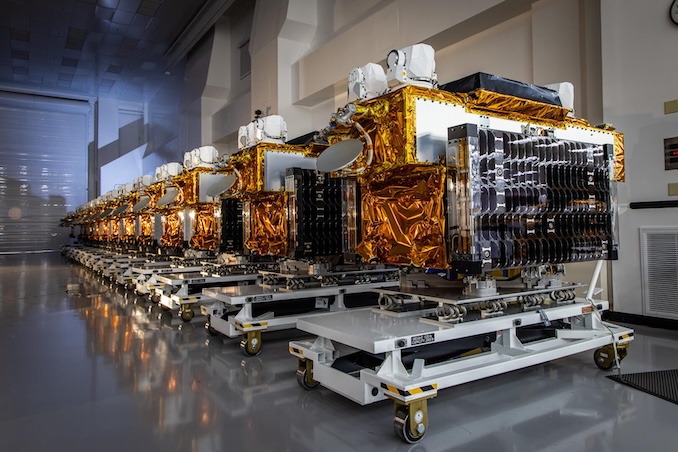
What makes the secrecy particularly striking is the nature of the payload: fully operational satellites destined for the Qianfan broadband constellation. Flying live, revenue-intended hardware on a rocket's first flight reflects a high degree of confidence in the vehicle's readiness — a calculated risk that, in this case, appears to have paid off.
What is the Long March 12B, and why does it matter?
The Long March 12B is a derivative of the Long March 12 rocket, which made its own debut in 2023. The new variant is designed with reusability as a core objective, placing it squarely in the competitive space carved out by SpaceX's Falcon 9 for rapid, repeatable commercial launches to low Earth orbit.
Full technical details of the flight — including the precise orbital parameters, the number of satellites deployed, and whether the first stage was recovered — had not been officially released at the time of publication. Claims about the mission's performance should therefore be treated with appropriate caution until verified data becomes available.
The Qianfan constellation is developed by Shanghai Spacecom Satellite Technology, known as SSST. The programme aims to field thousands of satellites in low Earth orbit to deliver global broadband internet access, positioning itself as China's most direct answer to SpaceX's Starlink network and Amazon's Project Kuiper.
A crowded week at the pad as mega-constellations race to orbit
The Long March 12B's debut came during one of the busiest launch weeks on record for the global space industry. The manifest for the first week of June 2026 lists at least six missions spread across five launch sites, with SpaceX and multiple Chinese operators accounting for the bulk of activity. The overwhelming majority of these flights are targeting low Earth orbit to supply the insatiable demand for constellation replenishment and expansion.
SpaceX's Falcon 9 continues to anchor the Western side of this cadence, maintaining a near-industrial rhythm of Starlink missions from the United States. On the Chinese side, the Long March 12B joins a growing portfolio of domestically developed medium-to-heavy launchers pushing to establish reliable, reusable access to LEO for national and potentially export-oriented commercial customers.
The broader picture is one of accelerating competition. The decision to fly operational satellites on an unannounced debut mission raises legitimate questions about how international norms around launch transparency will hold up as commercial and geopolitical pressures intensify. That is a conversation the space community — regulators, operators, and observers alike — will need to have sooner rather than later.