A crew takes shelter as Russian leaks persist
On June 5, 2026, NASA astronauts aboard the International Space Station briefly retreated into their docked SpaceX Dragon capsule as a precautionary measure following the detection of new air leaks in the Russian segment of the station. Roscosmos has been working to seal similar fissures for months, but a lasting fix has yet to be achieved.
NASA confirmed that Russian cosmonauts are preparing what it described as a more extensive repair operation, though the agency offered no specifics about what that procedure would involve. The lack of detail has left observers uncertain about the actual condition of the affected module. Sealing issues in the Zvezda service module have been a recurring concern for several years, with microfractures requiring ongoing monitoring.
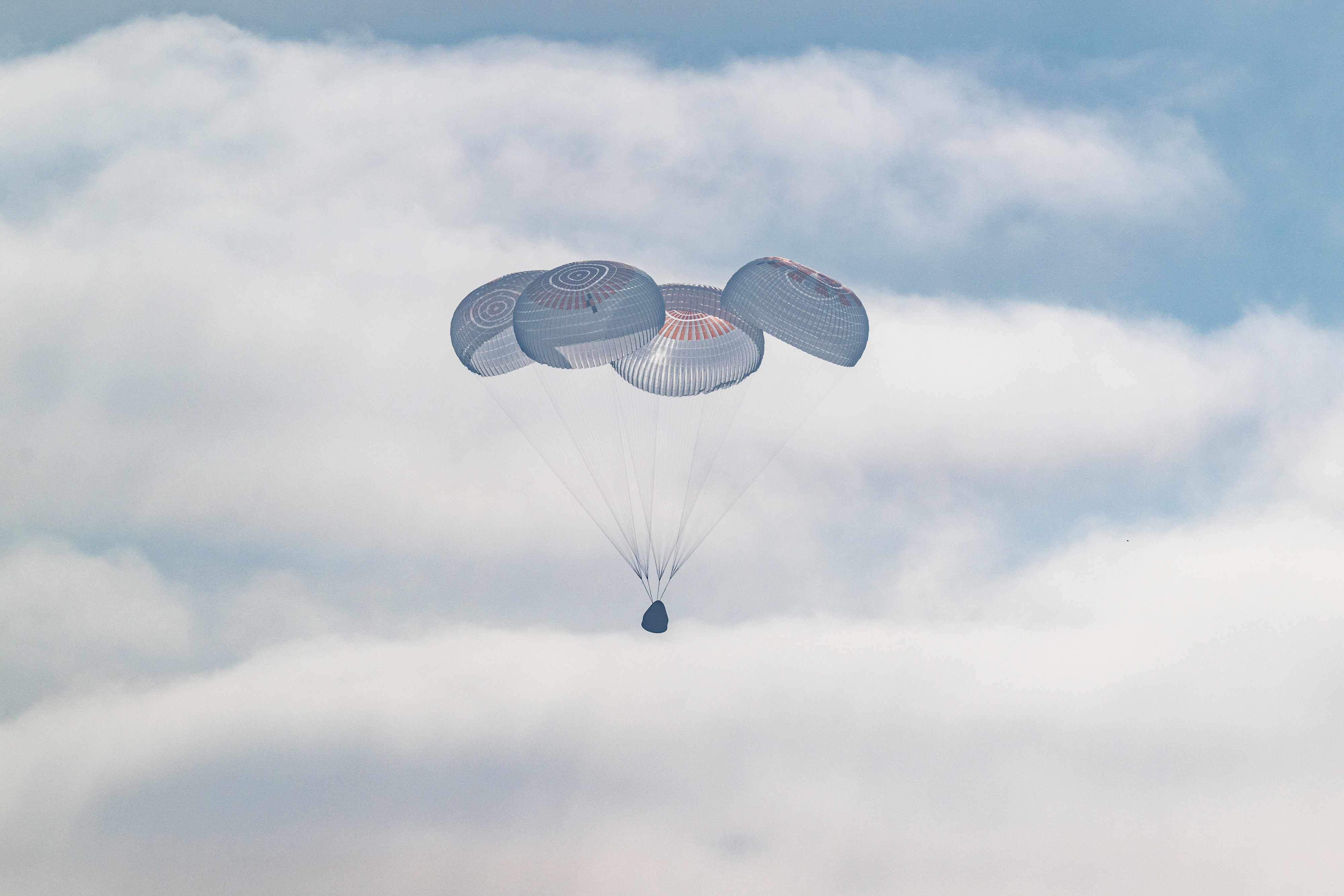
The decision to move the crew into the Dragon reflects standard emergency protocols: should a rapid depressurization event occur, the SpaceX vehicle provides an immediate safe haven before any potential evacuation to Earth. The astronauts returned to the station once ground teams assessed that the situation posed no immediate danger.
GPS jamming from orbit: a threshold has been crossed
Separate from the operational tensions aboard the ISS, a strategically significant development is drawing attention. Analysis published by SpaceNews in June 2026 indicates that Russia is conducting GPS jamming and spoofing operations using space-based platforms. What was long considered a theoretical threat now appears to be an active reality.
Orbital jamming carries far greater implications than ground-based interference. A single platform in orbit can affect a vastly larger geographic footprint, and the source is considerably harder to suppress or destroy. Aviation corridors, maritime shipping lanes, and critical civilian infrastructure could all be disrupted simultaneously across entire regions.
This development fits within a broader pattern of expanding electronic warfare and anti-satellite capabilities in orbit. Both the United States and its allies are deeply dependent on GPS for civilian and military operations alike. The European Galileo system, managed jointly by the European Space Agency and the European Union, represents a partial alternative, but its integration into critical systems remains uneven across member states and allied nations.
A partnership under pressure, a domain increasingly contested
Taken together, these two episodes — though technically unrelated — point to a shared underlying tension. The NASA-Roscosmos partnership, a legacy of post-Cold War diplomacy, is now operating under conditions that neither side fully anticipated. Repeated structural issues on the Russian segment, combined with Moscow's limited transparency regarding repairs, raise legitimate questions about whether Roscosmos can — or intends to — maintain safe operations aboard the ISS through its planned deorbit around 2030.
The confirmation of space-based GPS jamming, meanwhile, marks a qualitative shift in how orbital infrastructure is weaponized. The debate is no longer confined to whether civilian space systems are vulnerable; it has moved on to how quickly governments, space agencies, and private operators can build resilience into their navigation and communications architecture. For constellations like GPS, Galileo, Russia's own GLONASS, and China's BeiDou, the pressure to harden against interference has become impossible to ignore.