A week that barely leaves room to breathe
The final stretch of November 2026 is shaping up to be one of the busiest orbital periods of the year. Ten rockets are scheduled to lift off within a matter of days, a figure that would have sounded implausible just a decade ago. Three of those missions are headed directly to crewed space stations: vehicles operated by Roscosmos and the China National Space Administration are set to service the International Space Station and China's Tiangong station respectively, with SpaceX contributing its own flights to the mix.
The sheer simultaneity of these missions reflects a structural shift in the global launch industry. Russia continues to rotate crews to and from the ISS aboard its Soyuz spacecraft, maintaining a cadence that has endured through decades of geopolitical turbulence. Meanwhile, CNSA is consolidating Tiangong's operational status with regular crew exchanges and resupply flights, underscoring China's ambition to sustain an independent long-term presence in low Earth orbit.
A classified ride for the Space Force
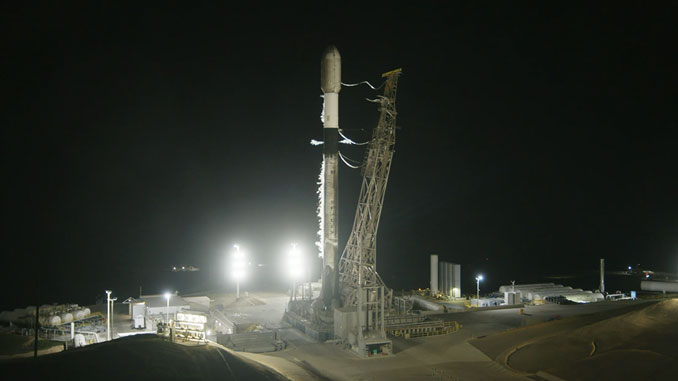
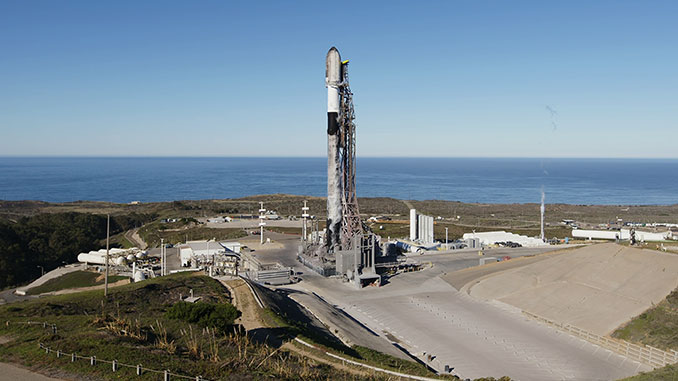
Several days ahead of this orbital rush, SpaceX conducted a launch of a classified payload on behalf of the US Space Force from Vandenberg Space Force Base in California. The rocket lifted off from pad 4E during a window that opened at 15:55 UTC on November 23rd. In public filings, the mission carries a TH designation — the third flight in a series bearing that label.
The specific nature of the payload has not been disclosed, in keeping with standard practice for US military space missions. The TH series does not correspond to any exhaustively documented public category, leaving the satellite's precise function open to reasonable speculation at best. SpaceX has become a routine contractor for the Pentagon and its affiliated agencies, flying sensitive government payloads on Falcon 9 and Falcon Heavy vehicles depending on the orbital requirements of each mission.
What relentless cadence reveals about the new space order
The concentration of so many launches in a single week is not coincidental. It reflects the accelerating pace of both civil and military space programs worldwide, driven in part by the commercial launch revolution that companies like SpaceX and Rocket Lab have led over the past decade. What once required months of preparation and represented a singular event now unfolds routinely, week after week.
That compression of timelines brings practical challenges. Orbital traffic coordination, debris management, and the coexistence of civilian and military assets in increasingly crowded altitude bands are questions that national agencies and international regulators have yet to fully resolve. As the launch tempo climbs, the gap between technical capability and governance frameworks only widens. For now, the skies above Earth in late November 2026 tell a story not just of ambition, but of an infrastructure under pressure to keep pace with its own momentum.