High-level diplomacy under Berlin's exhibition halls
The ILA Berlin International Airshow 2026 served as a timely stage for the European Space Agency to lay out where it stands — and where it intends to go. From the first day of the event, ESA engaged in a dense schedule of bilateral meetings with member state representatives, industry partners, and institutional stakeholders. The topics on the table ranged from in-space operations and services to Earth observation systems and planetary defence frameworks. Running through all of it was a common thread: Europe's determination to become a fully autonomous actor in space, not merely a participant in missions led by others.
The second day sharpened that focus. Discussions zeroed in on autonomy and resilience as twin pillars of European space doctrine — a shift that reflects the broader geopolitical climate, in which the ability to operate critical infrastructure independently has become as much a matter of national security as energy supply or digital sovereignty.
A live call from orbit and what it signals
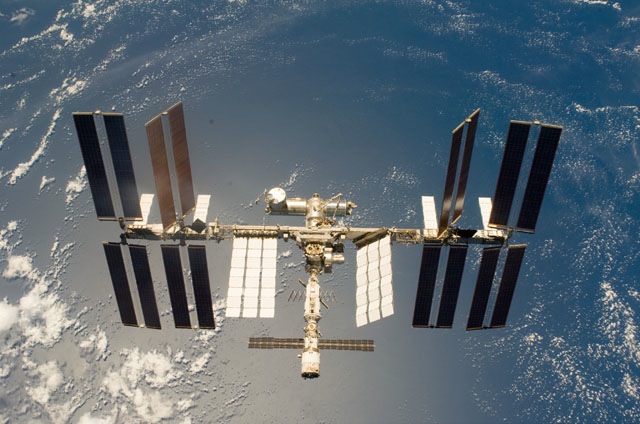
Among the standout moments of ESA's presence at ILA was a real-time communication with French astronaut Sophie Adenot, speaking from aboard the International Space Station. The in-flight call, broadcast from the ESA stand in Berlin, was more than a crowd-pleasing event. It put a human face on the agency's long-term ambitions and demonstrated the direct link between high-level strategy discussions on the ground and the operational realities unfolding 400 kilometres above.
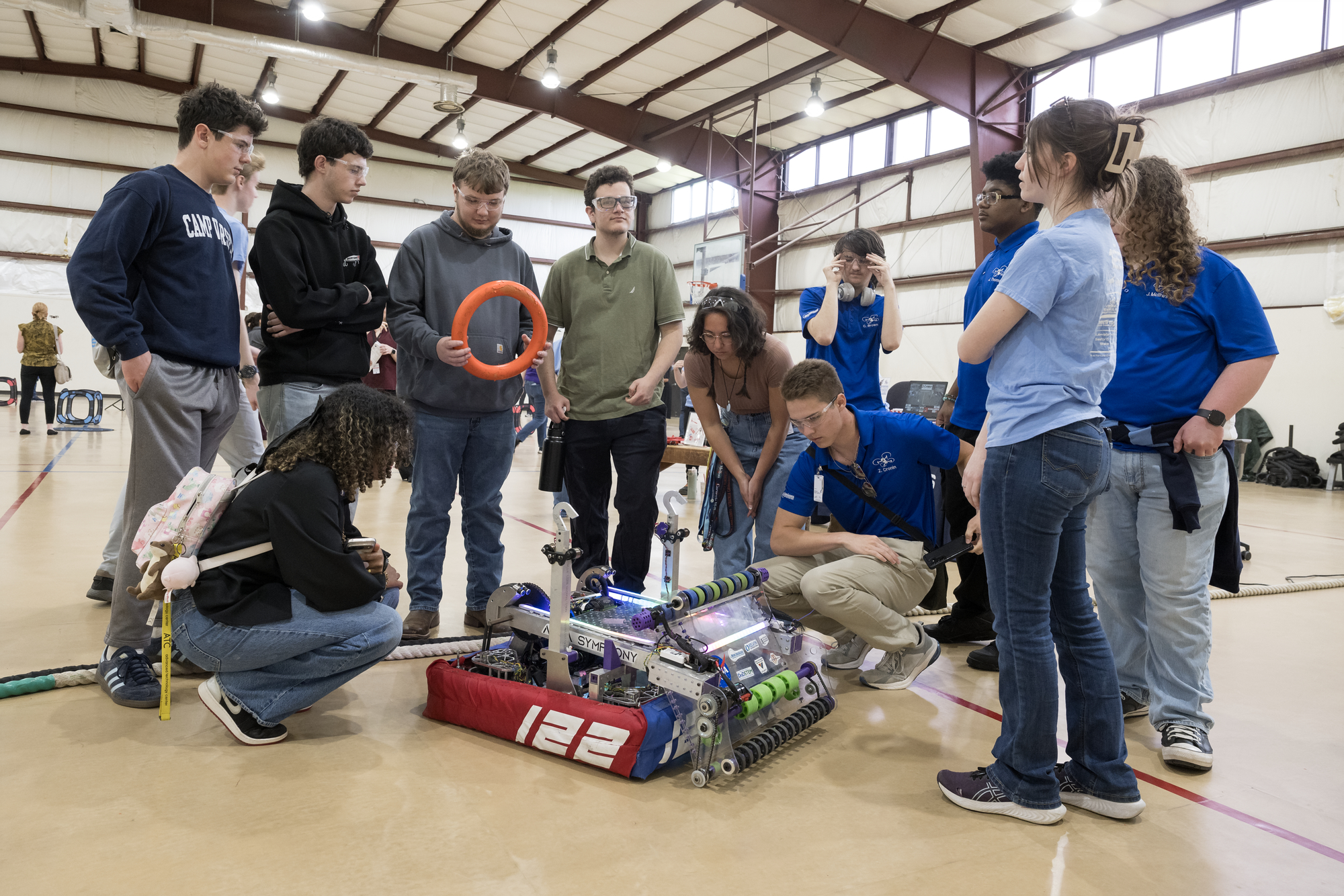
Adenot, a member of ESA's astronaut corps, embodies the kind of technically sophisticated profile that both European and American space agencies are actively working to cultivate. That parallel is not incidental. In the United States, NASA recently hosted its Career Technical Education Day, organised through its STEM Engagement office, to spotlight the essential role that skilled technicians play across the agency's programmes — in electronics, precision fabrication, and engineering support for missions ranging from Earth-orbit operations to deep-space exploration.
The race to build tomorrow's space workforce
Behind the headlines about sovereignty and flagship missions lies a more structural challenge: finding and training the people who will actually build, test, and operate the next generation of space systems. At ILA, ESA outlined its ongoing collaboration with member states and industry to map the technical competencies the European space sector will require over the coming decade — from embedded systems and propulsion engineering to remote sensing data analysis.
NASA faces an analogous pressure. With the Artemis programme moving toward crewed lunar surface missions, Mars exploration concepts advancing, and a commercial launch ecosystem anchored by players like SpaceX and Rocket Lab expanding rapidly, the demand for qualified technicians is expected to significantly outpace current supply. European NewSpace companies are navigating the same constraint.
What ILA 2026 made clear is that the future of space exploration will not be decided solely at launchpads or in mission control centres. It will also be shaped in vocational schools, apprenticeship programmes, and university engineering departments. Both ESA and NASA appear to have internalised that lesson. The competition for technical talent — quiet, methodical, and consequential — is already well underway.