Two ceremonies, one common vision
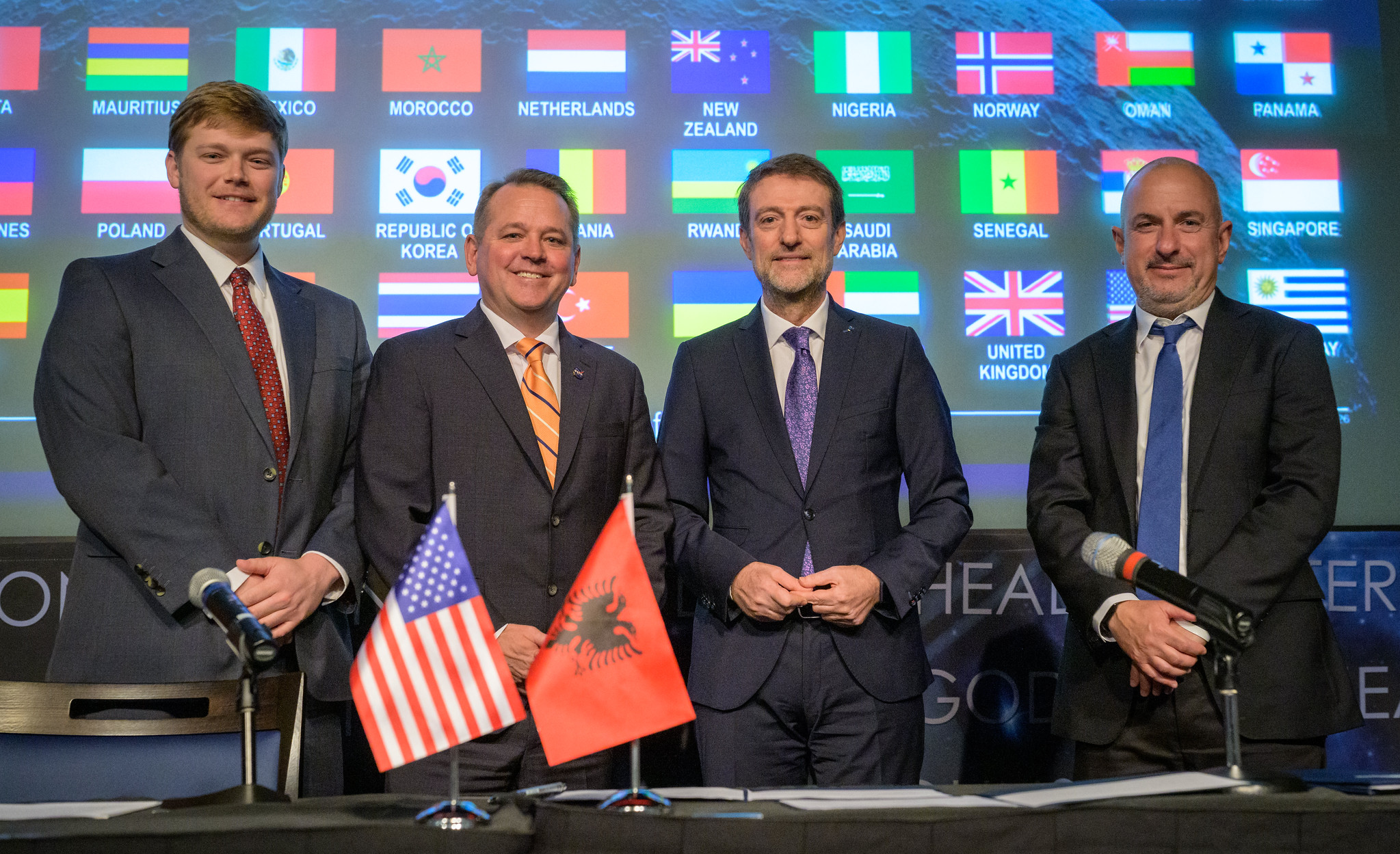
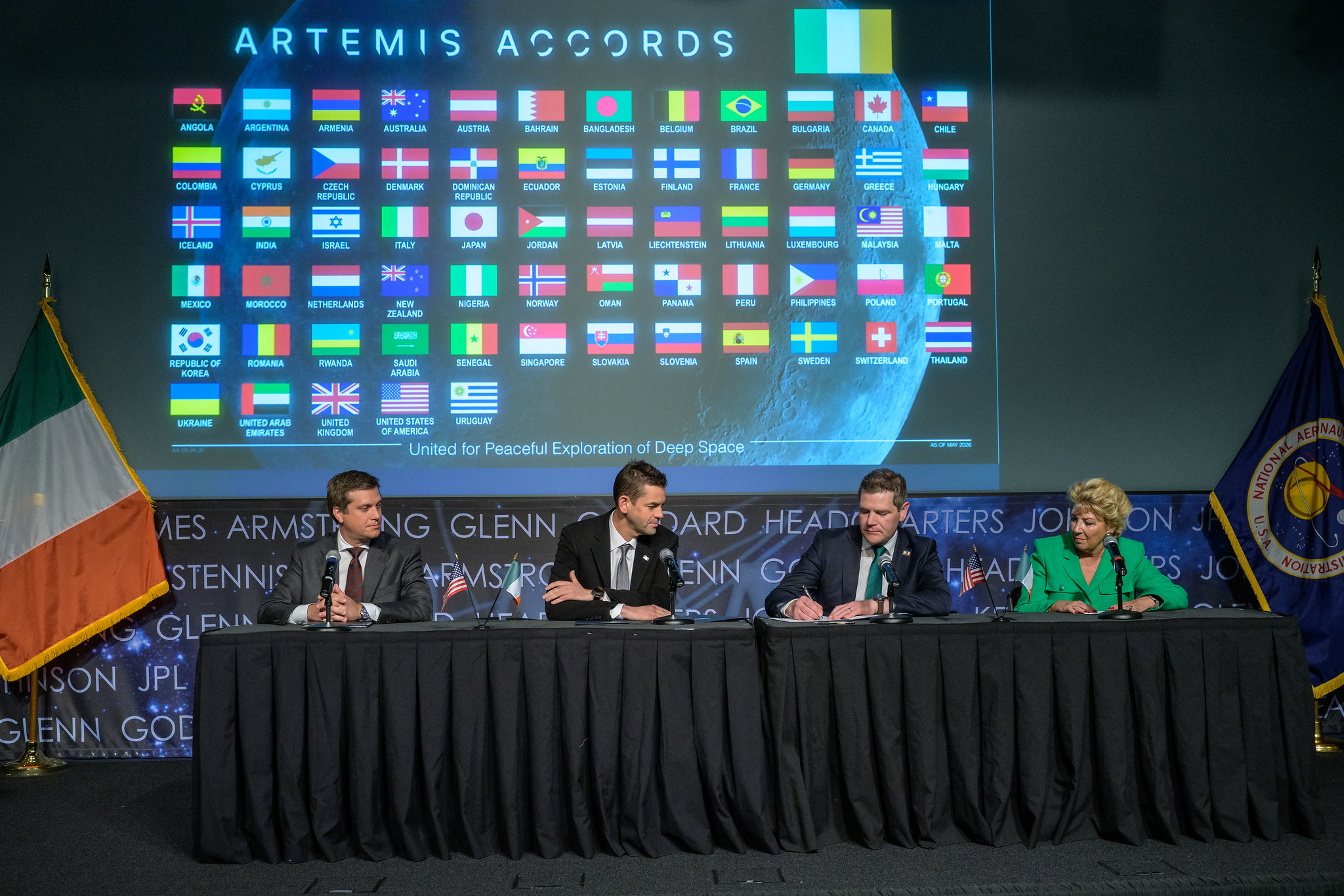
May 4, 2026 marked an unusual moment in space diplomacy: two European nations signed the Artemis Accords on the same day, through separate but symbolically aligned ceremonies. Malta went first, in a signing event held in the coastal town of Kalkara, with officials from NASA and the U.S. Department of State in attendance. Ireland followed later in the day at a ceremony hosted by NASA itself. With both signatures now registered, the Artemis Accords count 65 signatory nations.
NASA Administrator Jared Isaacman, speaking in recorded remarks at the Maltese ceremony, welcomed the Republic of Malta into what he described as a growing global community committed to a shared set of principles for outer space. Ireland's accession, meanwhile, completes a natural step for a country that has long been an active member of the European Space Agency (ESA) and a close partner of NASA. Ireland now joins all 23 ESA member states as a signatory to the Accords.
What the Artemis Accords actually commit to
Launched in 2020 by NASA and the U.S. Department of State, the Artemis Accords are a set of non-binding principles designed to shape how nations conduct civil space exploration — with the Moon as the primary focus, but with broader application to activities across the solar system. They build on established international space law, particularly the 1967 Outer Space Treaty, and layer on a series of practical commitments: transparency of operations, interoperability of systems, open sharing of scientific data, preservation of heritage sites in space, and responsible extraction of resources.
The accords carry no legal enforcement mechanism, but signing them sends a clear political message. They have become a kind of litmus test for how nations position themselves within the broader debate over who gets to set the norms for humanity's expansion into space. Notably, Russia and China have not signed, and both are advancing alternative frameworks for lunar activities.
A coalition that keeps expanding
Growing from a handful of founding signatories in 2020 to 65 nations in six years reflects genuine momentum. The coalition now spans every inhabited continent and includes both established space powers and smaller nations with limited launch infrastructure but a clear interest in shaping future governance.
Within Europe specifically, the near-universal adoption of the Accords by ESA member states creates a broadly unified stance on the principles underpinning Artemis-era exploration. That alignment matters for practical coordination as much as for optics: shared norms make it easier for partner agencies to collaborate on missions, share data, and agree on operational protocols.
Whether the Artemis Accords will evolve into a genuinely robust governance structure or remain primarily a tool of U.S. diplomatic outreach is a question that scholars and policymakers continue to debate. What is harder to dispute is that each new signature adds weight to the framework — and that the pace of accessions shows no sign of slowing.