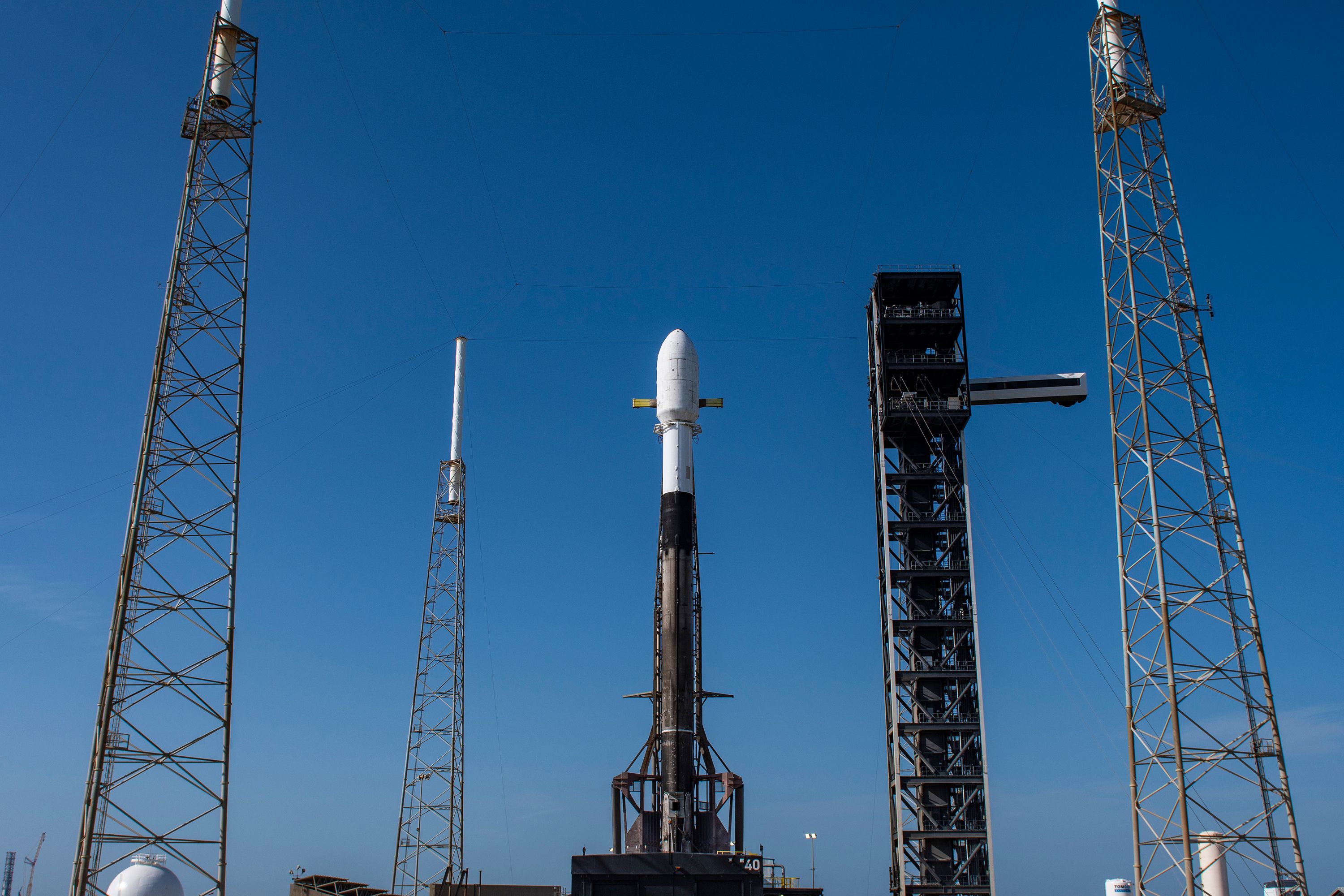
The SpaceLogistics MRV-1 is a mission extension payload including a mission robotic vehicle (MRV) and multiple mission extension pods (MEPs).
← Launches
SpaceX
Falcon 9
MRV-1
Live tracking
T-0 (UTC)21:15 UTC
VehicleFalcon 9
Probability90%
T-0 (UTC)21 July 2026 at 21:15 UTC
VehicleFalcon 9
Launch padUnknown Pad
CountryUSA
TypeMission Extension
Coverage
Around this mission
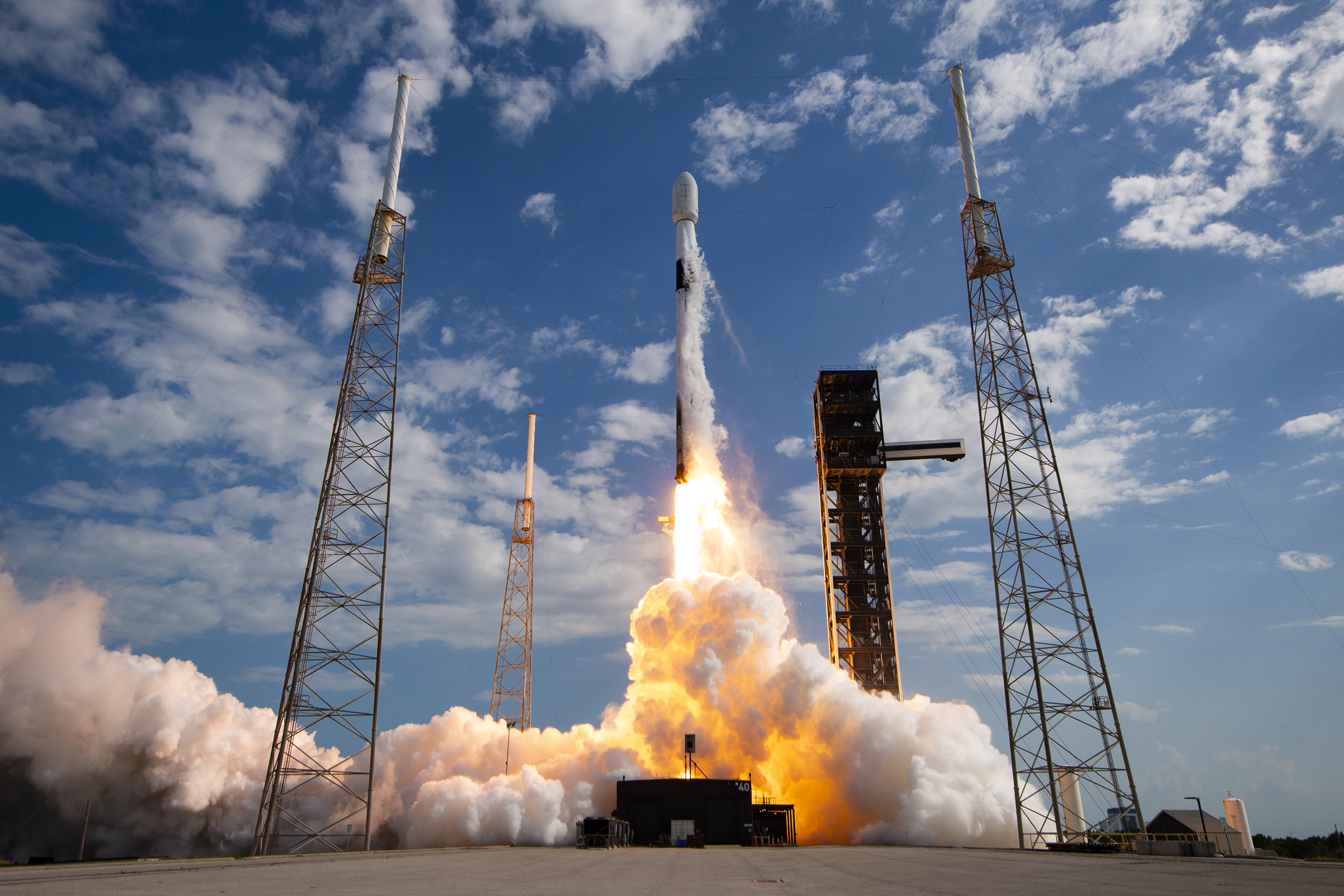
Robotic Servicing Mission Launches with NASA Support
Following its liftoff from Cape Canaveral on July 21 aboard a SpaceX Falcon 9 rocket, the Mission Robotic Vehicle (MRV) hosting the NASA-supported Robotic Servicing of Geosynchronous Satellites (RSGS) payload is now en route to geosynchronous Earth orbit, where it will use its advanced robotics to service spacecraft. RSGS leverages in-space robotics expertise from NASA, […]

Northrop Launches Evolved Satellite Servicing Spacecraft
SpaceLogistics, a Northrop subsidiary, aims to expand the company’s private capabilities and commercial offerings with their newly launched Mission Robotic Vehicle (MRV) and Mission Extension Pods (MEPs).

SpaceX launches Northrop mission to extend the life of aging satellites
DARPA-backed vehicle will install propulsion pods on three commercial satellites in geostationary orbit The post SpaceX launches Northrop mission to extend the life of aging satellites appeared first on SpaceNews.

Falcon 9 to launch MRV-1 robotic servicing spacecraft for Northrop Grumman
SpaceX’s Falcon 9 is set to launch the Mission Robotic Vehicle (MRV-1) mission from Florida… The post Falcon 9 to launch MRV-1 robotic servicing spacecraft for Northrop Grumman appeared first on NASASpaceFlight.com.
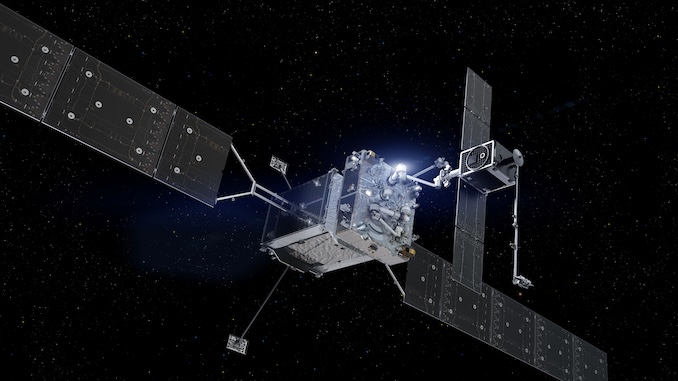
Live coverage: SpaceX to launch novel geosynchronous robotic servicing satellite on decade-long mission
Northrop Grumman’s Mission Robotic Vehicle features the Robotic Servicing of Geosynchronous Satellites (RSGS) payload from the U.S. Naval Research Laboratory and DARPA. Liftoff from pad 40 at Cape Canaveral Space Force Station is scheduled during a four-hour window that opens at 5:15 p.m. EDT (2115 UTC).

Launch Preview: Falcon 9, Starship, and Chinese rockets scheduled to launch
After last week’s aborted Starship Flight 13 launch, SpaceX is scheduling a new attempt as… The post Launch Preview: Falcon 9, Starship, and Chinese rockets scheduled to launch appeared first on NASASpaceFlight.com.