New boosters mark a technical step forward
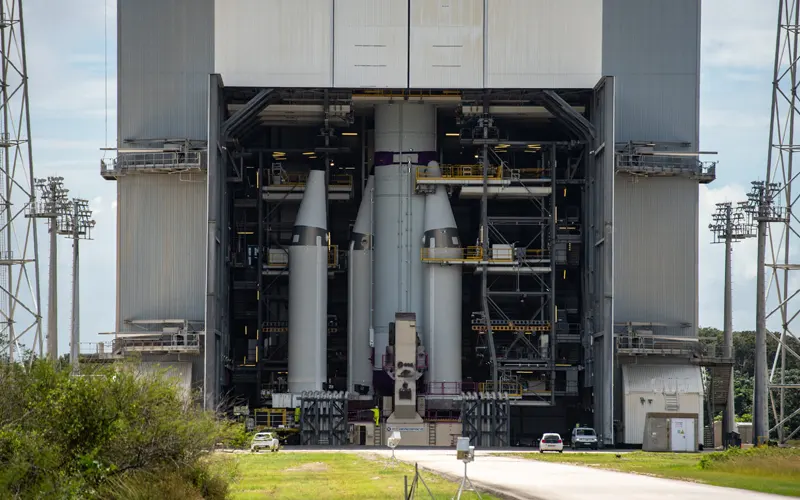
The next Ariane 6 launch, currently scheduled for June 17, will introduce a meaningful upgrade to Europe's heavy-lift rocket. For the first time, an Ariane 64 — the four-booster variant of the launcher — will fly with the new P160C solid-fuel strap-on boosters, replacing the P120C units used on all previous flights. The P160C design delivers greater thrust, translating into improved payload capacity to low Earth orbit, a critical parameter for constellation deployment missions.
Both Arianespace, the launch service operator, and the European Space Agency, which oversees the broader Ariane program, confirmed the date and configuration earlier this month. Since its debut flight in July 2024, Ariane 6 has completed seven missions from the Guiana Space Centre in Kourou, French Guiana. This upcoming eighth launch represents the first operational use of the enhanced booster configuration under real mission conditions.
Amazon's biggest single-rocket payload for Project Kuiper
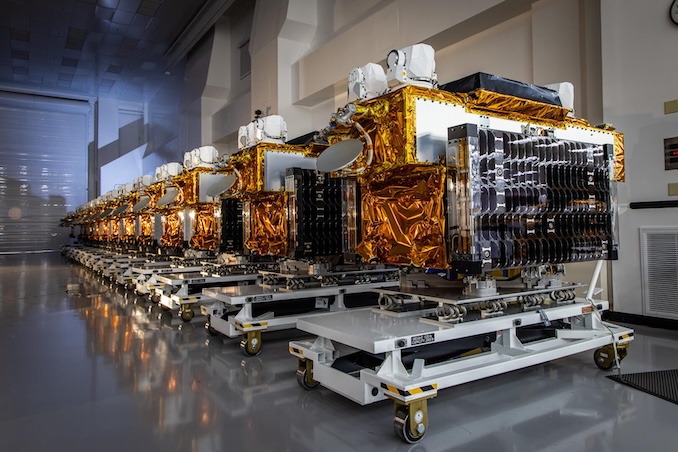
The payload aboard this upgraded Ariane 64 consists of 36 satellites destined for Amazon's Project Kuiper broadband constellation. This marks the largest number of Kuiper satellites Amazon has ever entrusted to a single launch vehicle. Project Kuiper aims to build a low Earth orbit network of several thousand satellites, providing global high-speed internet coverage — a direct commercial rival to SpaceX's Starlink constellation, which already counts thousands of operational units.
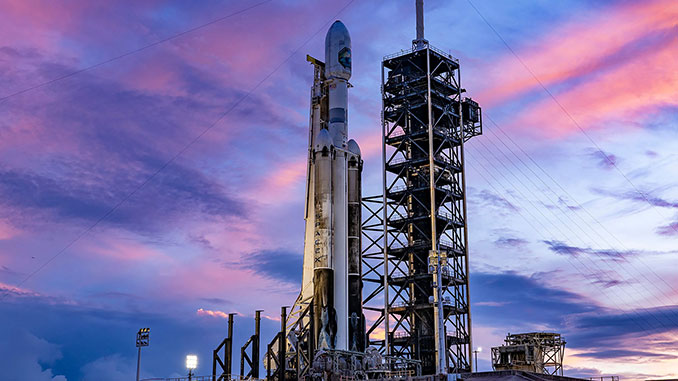
Amazon has spread its launch contracts across multiple providers to build in redundancy and meet aggressive deployment schedules. United Launch Alliance and Blue Origin are among the other operators handling Kuiper launches alongside Arianespace. This multi-provider approach is increasingly standard practice for large commercial constellation operators managing tight timelines and high flight rates.
Competitiveness in a fast-moving market
The switch to P160C boosters is part of Arianespace's broader effort to maintain relevance in a launch market transformed by reusable rockets. SpaceX's Falcon 9, with its booster recovery and rapid reuse cadence, has set aggressive pricing benchmarks that expendable launchers struggle to match on cost alone. Ariane 6, in its current form, remains a single-use vehicle, meaning Arianespace must compete on reliability, payload flexibility, and demonstrated performance.
Increasing lift capacity to low Earth orbit is strategically significant: the constellation segment now drives a substantial share of global commercial launch demand, and operators like Amazon require vehicles capable of lofting large batches of satellites in a single flight to keep deployment costs manageable.
For the ESA and its member states, the stakes extend beyond commercial contracts. Maintaining an independent European launch capability for institutional payloads — scientific probes, navigation satellites, Earth observation platforms — remains a core policy objective. A successful debut of the P160C configuration on June 17 would validate the upgrade and open the door for its routine use across future Ariane 6 missions. As of publication, the precise launch window had not been officially announced.