Three agencies, one crew, months in orbit
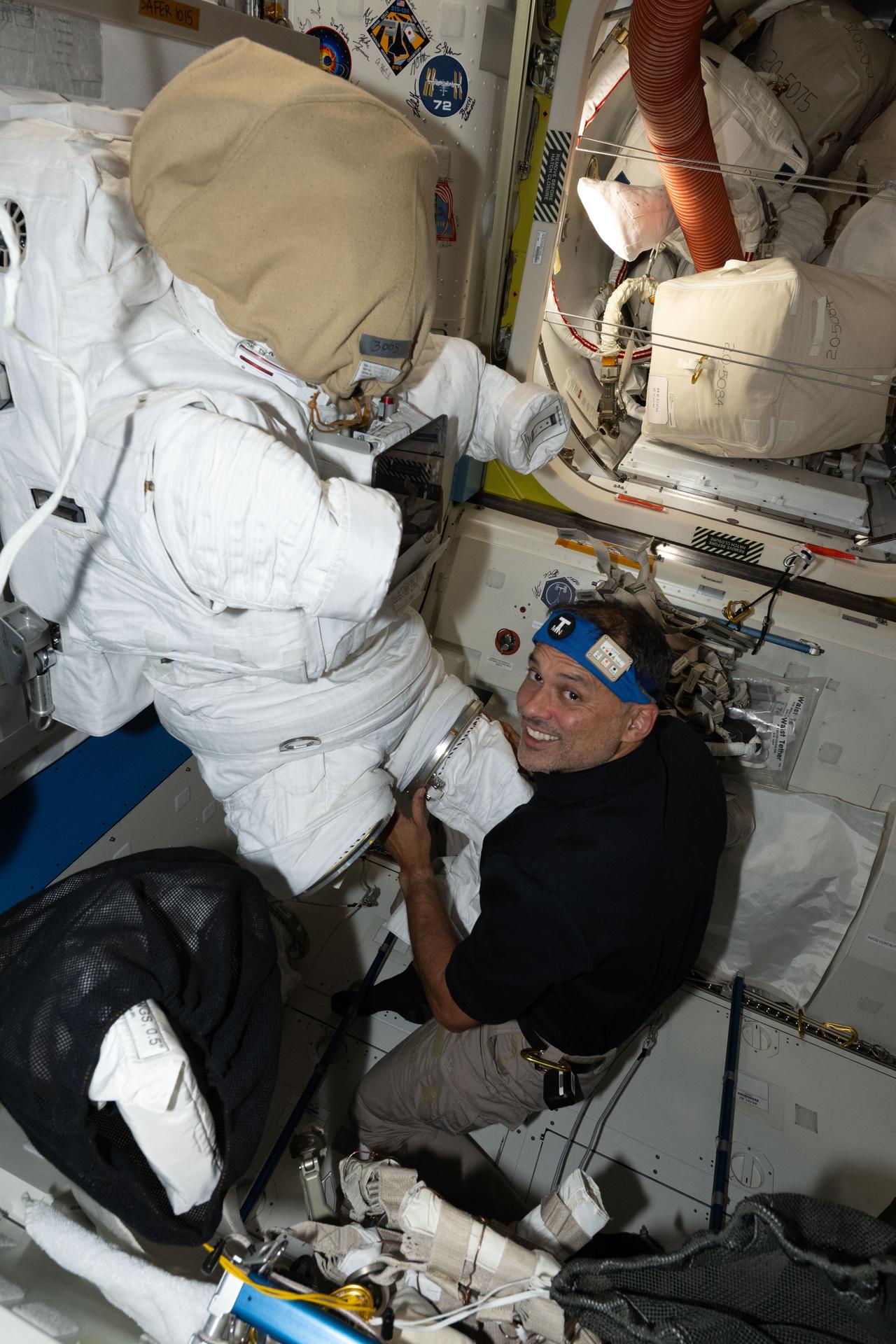
The Expedition 74 mission has drawn to a close with the return of six crew members representing three of the world's major space agencies. NASA astronauts Jessica Meir, Jack Hathaway, and Chris Williams spent an extended period aboard the International Space Station alongside ESA astronaut Sophie Adenot and Roscosmos cosmonauts Sergey Kud-Sverchkov and Sergei Mikaev. The multinational makeup of the crew is a reminder that the ISS continues to function as a rare arena of sustained international cooperation, even as geopolitical relationships between partner nations remain complicated on other fronts.
The exact duration of the mission had not been specified in the official communications available at the time of publication. During their time aboard the station, the crew would have carried out a typical Expedition workload: scientific research across multiple disciplines, routine station maintenance, and potentially extravehicular activities to support ongoing ISS upkeep and upgrades.
Houston opens its doors for a public homecoming
NASA confirmed that a public welcome event would be held at Space Center Houston to formally mark the crew's return. The decision to open such ceremonies to the general public reflects a broader effort by the agency to keep human spaceflight visible and meaningful to civilian audiences. Space Center Houston, the visitor and discovery center located adjacent to NASA's Johnson Space Center, serves as a natural and symbolically fitting venue for this kind of celebration.
For Sophie Adenot, the milestone carries particular weight. Selected by ESA in 2022 as part of the agency's most recent astronaut class, she belongs to a new generation of European explorers for whom a long-duration ISS mission represents both a defining early-career benchmark and a contribution to the growing body of research on how the human body adapts — and struggles — during extended exposure to microgravity.
Readaptation: the chapter that follows splashdown
Returning to Earth after months in weightlessness is a physically demanding process that tends to receive far less attention than launch day. The human body undergoes significant changes during long-duration spaceflight: bone density and muscle mass decline, fluids redistribute toward the upper body, and both cardiovascular function and vision can be affected in ways that take time to reverse.
ESA and NASA both maintain rigorous post-flight rehabilitation protocols. From the moment of landing, crew members are assessed by specialized medical teams and placed on structured recovery programs that typically combine intensive physical therapy, regular clinical monitoring, and psychological support. This phase can last weeks or even months, depending on individual responses.
Crucially, the data gathered during this recovery window feeds directly into research programs designed to prepare future crews for the demands of deep-space exploration — including lunar missions under NASA's Artemis program and, further down the line, potential crewed missions to Mars. The return of Expedition 74 is, in that sense, not an ending but another data point in a much longer journey.