A week-long window above the Arctic Circle
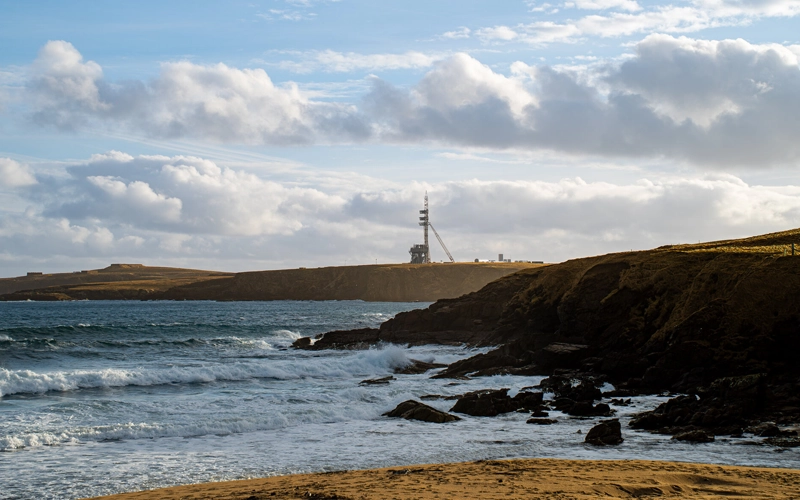
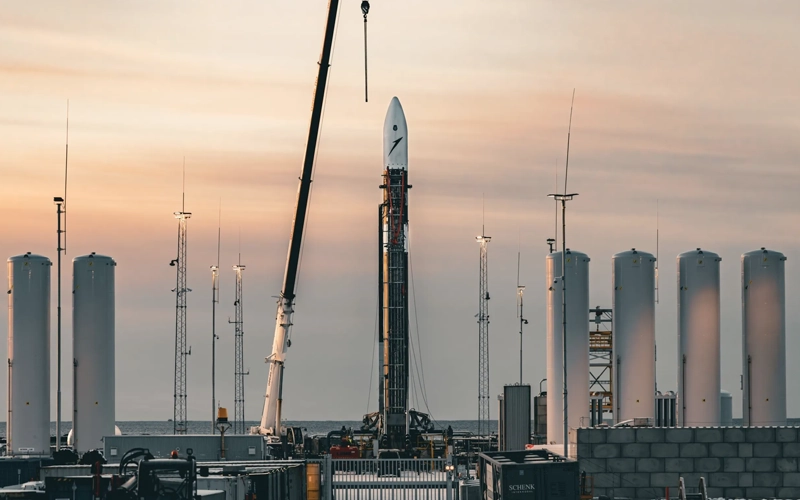
On September 1, the Norwegian Coastal Administration issued maritime safety notices establishing a daily launch window between 16:00 and 21:35 UTC, running from September 4 through September 10. The notices, which restrict vessel traffic in the potential debris zone off Andøya Space in northern Norway, are a standard and reliable indicator that a launch attempt is imminent. Isar Aerospace, the Munich-based rocket startup, is preparing to send its Spectrum vehicle skyward for the second time.
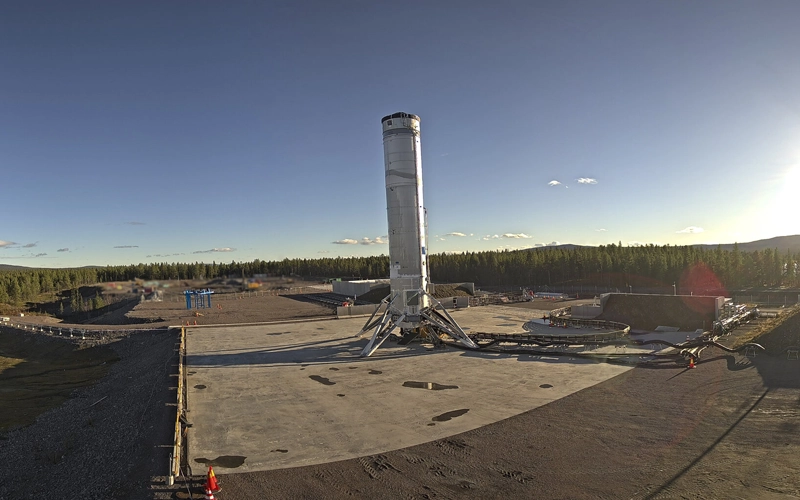
Founded in 2018, Isar Aerospace has moved from concept to launch pad in under a decade — a development pace that stands out even by the brisk standards of the global NewSpace industry. The company's first flight earlier this year provided critical engineering data on vehicle behavior during ascent, even though the mission fell short of reaching its intended orbit. That kind of iterative learning is, by now, a well-established method in the small launch sector, where early flights serve as full-scale test campaigns as much as operational missions.
Spectrum targets the small satellite sweet spot
Spectrum is a two-stage rocket burning liquid oxygen and kerosene, designed to lift payloads of roughly 1,000 kilograms to low Earth orbit. It occupies a deliberate market position: too large to compete directly with Rocket Lab's Electron, which carries lighter payloads, yet more focused on dedicated small-satellite missions than the rideshare model favored by SpaceX's Falcon 9. European satellite operators and institutional customers — including those aligned with ESA or national space agencies — represent Isar's primary commercial targets.
The significance of this second flight extends well beyond the technical milestone. Potential customers evaluating a launch provider watch for recurrence: the demonstrated ability to return to the pad, make improvements, and fly again within a reasonable timeframe. A successful September attempt would signal that Spectrum is maturing from a prototype into a dependable commercial product.
What's at stake for European launch autonomy
The broader context matters here. Europe has faced real challenges maintaining reliable, independent access to orbit. With Ariane 5 retired and Ariane 6 still working toward a stable flight cadence under Arianespace, the emergence of homegrown small-launch providers like Isar Aerospace carries strategic weight. The European Commission has invested in nurturing exactly this kind of private launch capability, and a successful Spectrum flight would validate that policy direction.
Should the attempt proceed as early as September 4, it will mark one of the most closely watched moments in European commercial spaceflight this year. If technical constraints push the launch toward the end of the window, Isar has sufficient margin to adapt. Either way, the company's willingness to press ahead quickly after its first flight underlines a confidence — grounded in data, not bravado — that Spectrum is ready for another chapter.