A formal invitation, years in the making
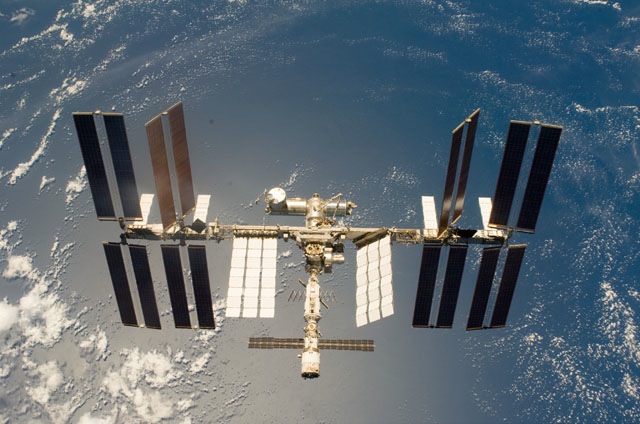
On October 9, 2026, NASA took a concrete step toward the commercialization of low Earth orbit by releasing its final Request for Proposals, calling on American industry to submit detailed plans for the next generation of commercial space stations. The document, which the sector had been anticipating for months, opens a structured competition to develop infrastructure that could eventually replace the International Space Station as its planned deorbit window approaches around 2030.
The move aligns with the broader direction set by the current U.S. administration's national space policy, which frames commercial leadership in low Earth orbit as a strategic priority. NASA has been explicit on one point: the agency has no intention of withdrawing from low Earth orbit — only of changing the way it operates there.
From operator to anchor customer
The shift being proposed is fundamental. Under the model outlined by NASA, future stations would be owned and operated by private companies, with NASA purchasing services rather than building and running infrastructure itself. The agency would buy research time, crew accommodations, and other capabilities from commercial providers — much like a corporate tenant leasing office space.
Several companies have been positioning themselves for this moment. Axiom Space has already been adding commercial modules to the ISS as a precursor to its own independent station. The Starlab consortium, backed by Voyager Space and Airbus, and Orbital Reef — a collaboration between Blue Origin and Sierra Space — have both signaled strong interest. With the final RFP now published, these and other contenders have a concrete framework against which to sharpen their bids.
Commercial logic, geopolitical stakes
The commercial rationale is clear, but the geopolitical dimension is equally significant. China's Tiangong station, operated by the CNSA, has hosted taikonauts continuously since 2021 and represents a fully independent human spaceflight capability. Allowing a gap in U.S. presence in low Earth orbit after the ISS retirement would carry symbolic and strategic weight that Washington is not willing to accept.
NASA has made its position plain: maintaining a continuous human presence in low Earth orbit remains non-negotiable, regardless of who owns the hardware. That means the transition from government-owned to commercially-owned stations must be managed carefully — overlapping timelines, phased handovers, and financial structures robust enough to survive the long development cycles inherent to space infrastructure.
Proposals submitted in response to this RFP will be evaluated against technical feasibility, schedule credibility, and financial viability. Contract awards are expected to follow the review process, setting off the formal development phase of what could become the backbone of American activity in low Earth orbit for decades to come. The competition, at last, is officially open.