A hackathon that keeps outgrowing itself
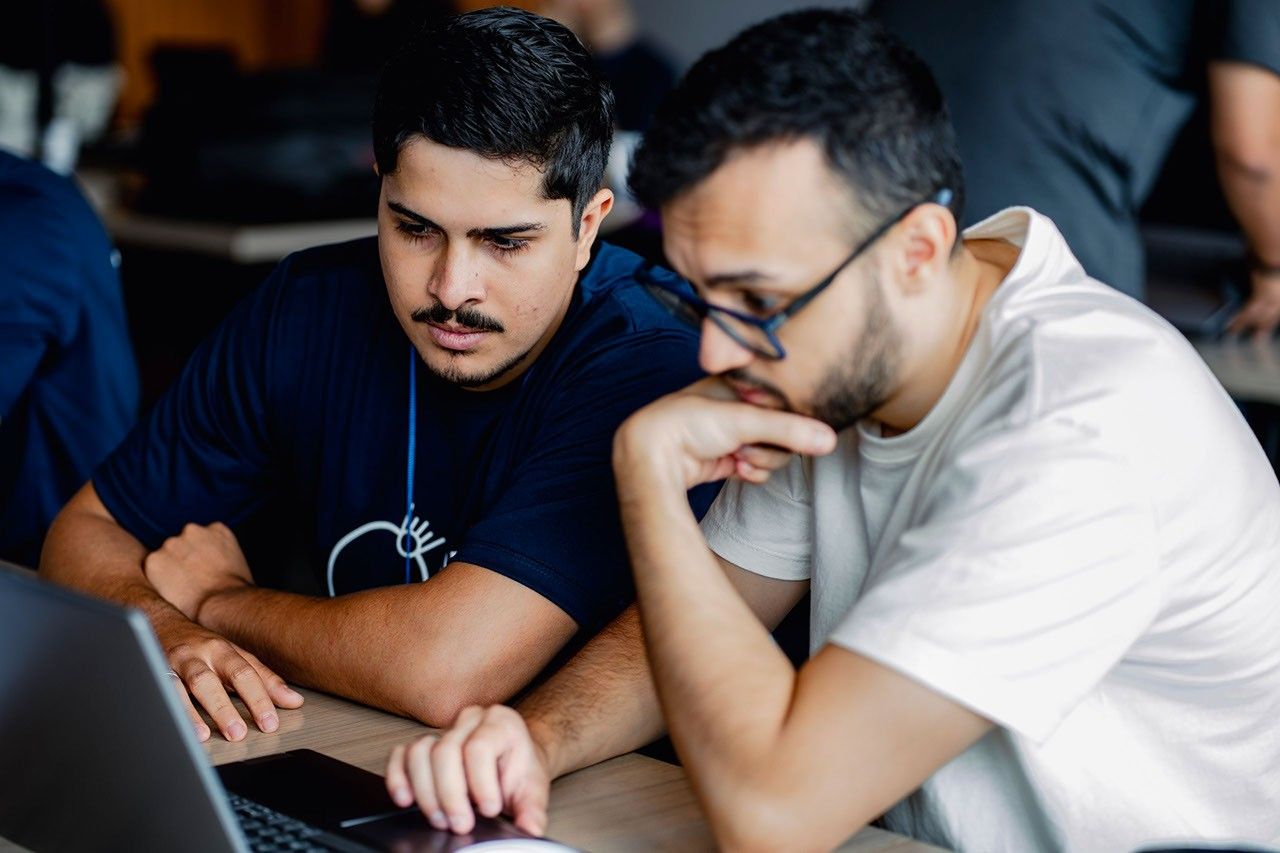
On November 14 and 15, 2026, NASA's Space Apps Challenge reached a milestone that few global events can claim: 181,835 registered participants spread across 593 events in countries around the world. That figure makes it the largest space-focused hackathon ever recorded, surpassing every previous edition of the annual competition.
The concept behind Space Apps is straightforward in design but ambitious in scope. Teams of developers, scientists, designers, and students are handed access to NASA's open scientific datasets and asked to build solutions around one of fourteen defined challenges. This year's themes spanned both space exploration and Earth science — encompassing everything from atmospheric monitoring to natural resource management and climate modeling.
One statistic stands out beyond the sheer headcount: 59 percent of participants were first-time attendees. That level of renewal signals something meaningful about the program's reach. Space Apps is no longer drawing exclusively from a core community of space enthusiasts — it is pulling in professionals and students from fields that have no prior connection to aerospace, bringing fresh perspectives to problems that the space community has long grappled with.
Open data as a platform for distributed problem-solving
The record numbers reflect a broader strategy NASA has pursued for years: treating its scientific data not as an internal resource, but as a public good. By making satellite imagery, atmospheric readings, and Earth observation datasets freely available, the agency creates the conditions for solutions to emerge from unexpected places.
Past editions of Space Apps have produced tools that went on to serve real communities — applications to track air quality in underserved urban areas, mapping platforms for flood-prone regions, and models for anticipating extreme weather events. Whether the 2026 edition generates comparable outcomes remains to be seen, but the participation numbers suggest the talent pool has never been deeper.
The international dimension of the event also deserves attention. Teams from nations without active national space agencies participate each year, applying NASA data to challenges that directly affect their local environments. That kind of distributed, borderless engagement is difficult to manufacture — and Space Apps seems to have found a formula that sustains it.
Meanwhile, 400 kilometers up
While thousands of participants were debugging code and designing data dashboards on the ground, work was continuing aboard the International Space Station. On October 29, 2026, NASA astronaut Anil Menon and Joshua Kutryk of the Canadian Space Agency (CSA) conducted a spacewalk to install a new roll-out solar array on the exterior of the station. The addition is part of an ongoing effort to expand the ISS's electrical generation capacity, which is increasingly strained by the growing number of scientific experiments running simultaneously on board.
Menon documented the outing with a selfie taken during the extravehicular activity — a small, human detail against the backdrop of one of the most demanding work environments imaginable.
Taken together, these two events offer a useful portrait of where NASA's energy is directed right now: outward, toward a global public invited to engage with space science on its own terms, and upward, toward a station that continues to serve as the backbone of human spaceflight. Both efforts, in their own way, are laying groundwork for what comes next.