LandSpace scores a booster landing with Zhuque-3
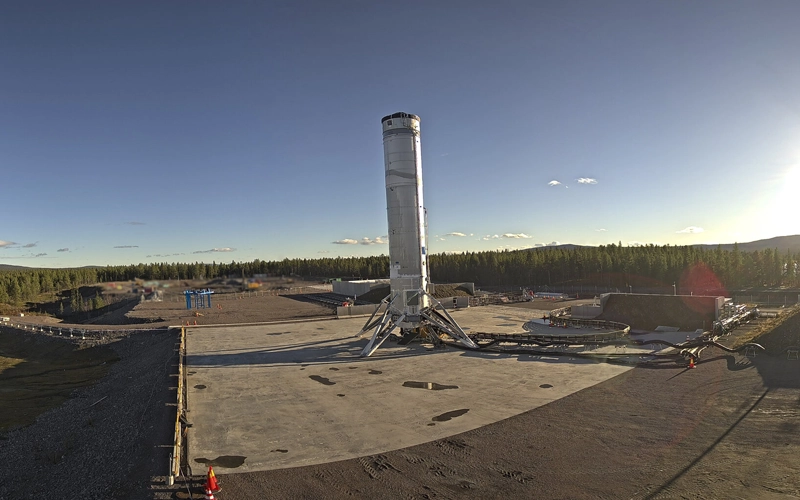
Chinese launch company LandSpace completed the second flight of its Zhuque-3 rocket on August 19, 2026 — and the mission delivered more than just a successful liftoff. The methalox-fueled booster executed a controlled vertical landing, marking a significant step forward for the company's reusability program.
Zhuque-3 runs on liquid methane and liquid oxygen, a propellant combination that has attracted considerable attention across the industry for its storability, performance characteristics, and potential for in-situ resource utilization in future deep-space scenarios. More immediately, it places LandSpace in a select group of operators capable of recovering an orbital-class first stage after flight.
SpaceX normalized booster landings with Falcon 9 starting in 2015, but replicating that capability has proven far harder than it appeared. Outside of SpaceX, operational booster recovery remains rare. LandSpace's achievement puts it ahead of most of its Chinese competitors and underscores the pace at which China's commercial launch sector is maturing. For a company competing in a rapidly crowding domestic market, demonstrating repeatable reusability is not optional — it is a prerequisite for long-term viability.
Stoke Space inches closer to Nova's first flight
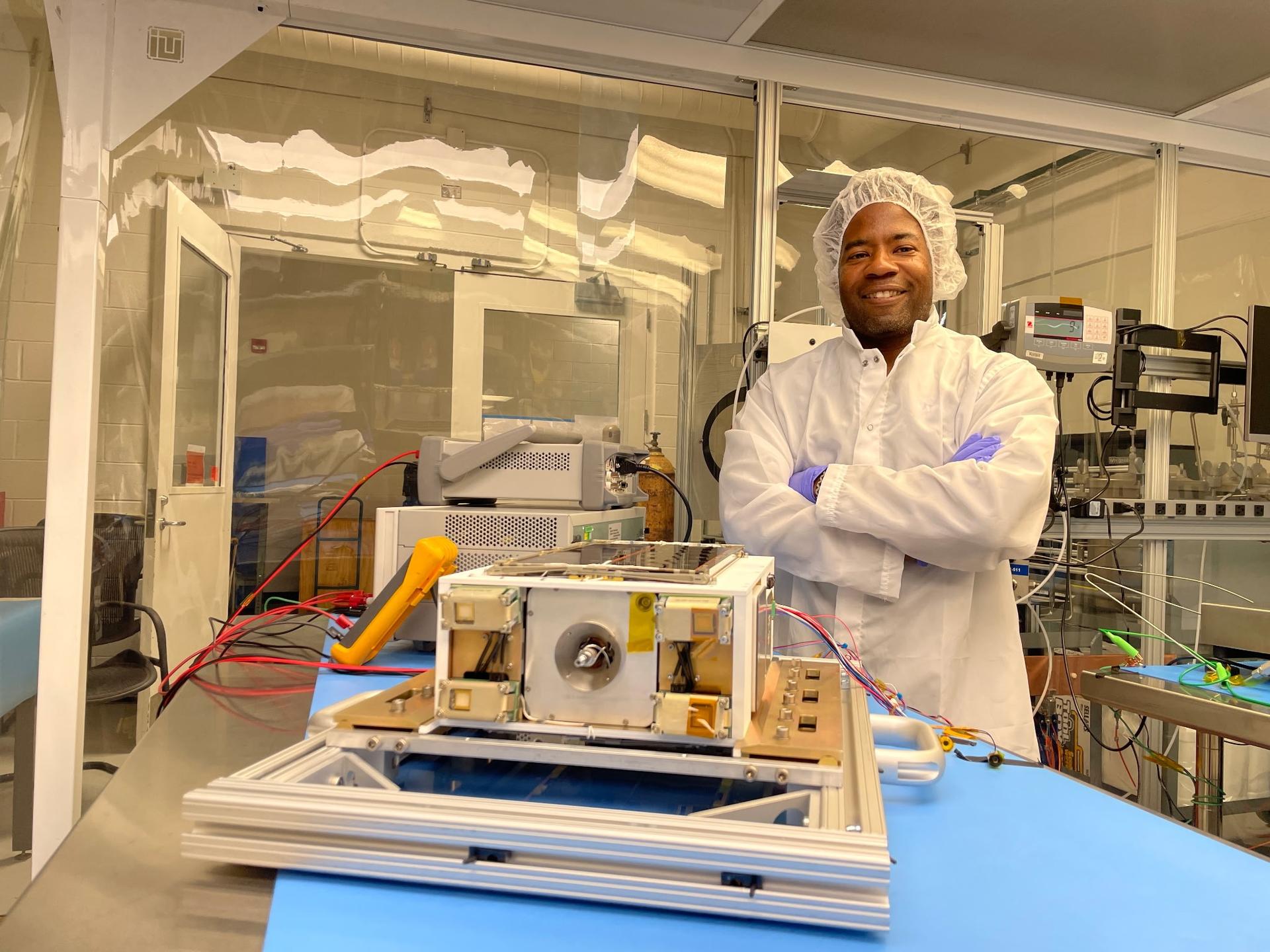
Across the Pacific, startup Stoke Space reported two concrete milestones in its preparation for the debut of Nova, its fully reusable launch vehicle. Engineers have completed assembly of the first-stage engine suite and are currently conducting fit checks between the first and second stages — a process that validates mechanical and fluid interfaces before final vehicle integration.
What sets Nova apart is an ambition that goes further than any operational rocket currently flying: full vehicle reusability, covering both the booster and the upper stage. While SpaceX's Falcon 9 second stage is expended on every mission, Nova's upper stage is designed to autonomously reenter and return for recovery. That is a technically demanding proposition, and no company has yet demonstrated it at scale for an orbital-class system.
Stoke Space has not announced a specific launch window, but the recent hardware progress suggests that a 2026 debut remains within reach, though the exact timing is still uncertain. The company has been deliberate in its development cadence, and the fit checks represent one of the final major ground verification steps before Nova can begin launch site operations.
A sector no longer defined by a single player
The near-simultaneous nature of these two developments — both reported on August 19, 2026 — is telling. Reusability, once SpaceX's defining competitive advantage, is now the explicit target of multiple programs across two continents. LandSpace is proving the first-stage recovery model works outside of Hawthorne. Stoke Space is attempting to leapfrog the current state of the art by eliminating expendable upper stages altogether.
Both paths aim at the same destination: lower cost per kilogram to orbit, achieved through hardware that flies more than once. The approaches differ sharply in technical complexity, funding structures, and regulatory environments. The open question — for investors, launch customers, and the broader industry — is which of these newcomers will be first to turn a hardware demonstration into a reliable commercial cadence.