Two eclipse photographs open the month
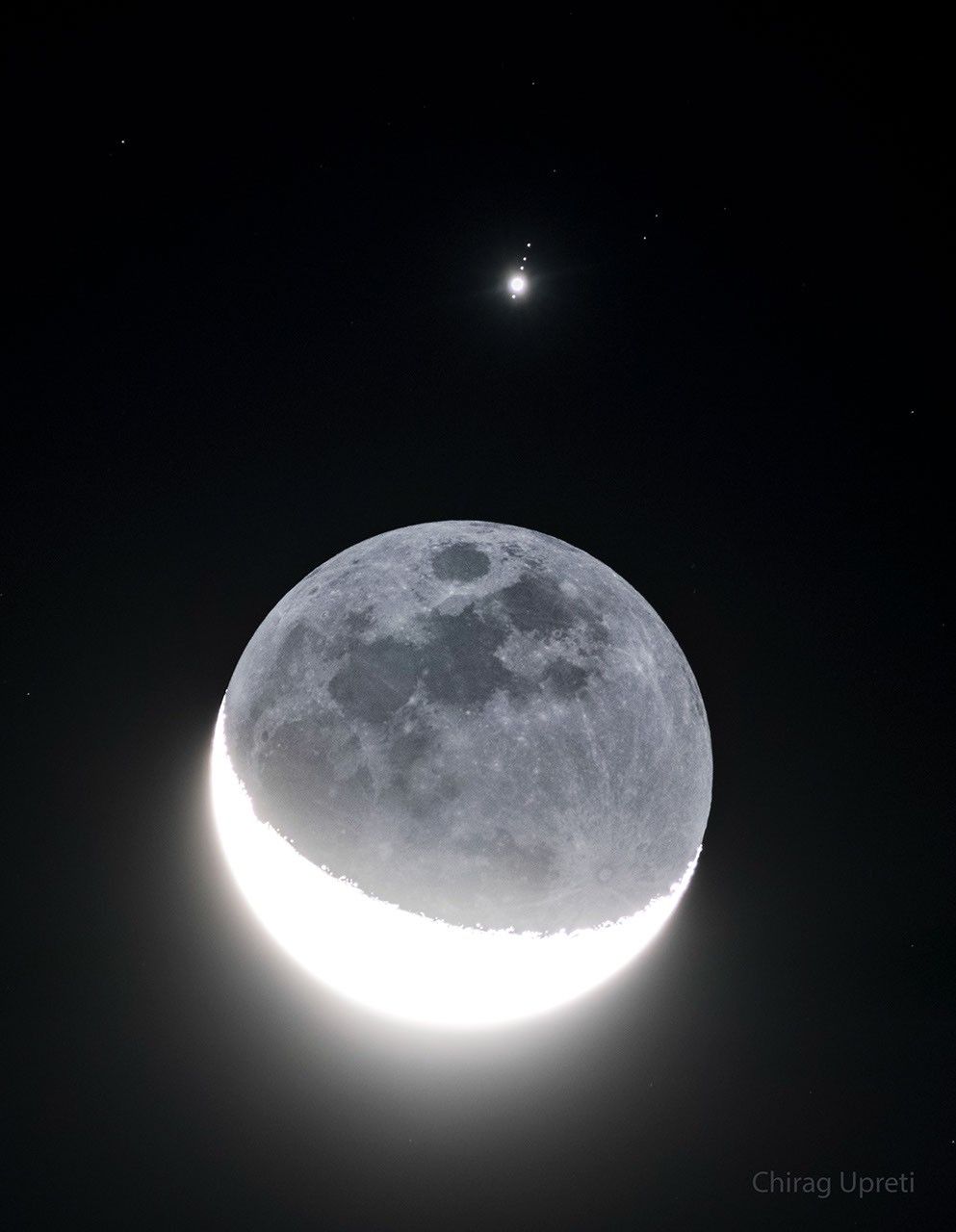
Within the first three days of September 2026, NASA's Astronomy Picture of the Day (APOD) program published two photographs documenting lunar eclipses from the ground. The first, released on September 1 under the title A Plane Lunar Eclipse, uses a long-exposure technique to trace the Moon's passage through Earth's shadow, compressing time into a single frame that makes the geometry of the eclipse immediately readable. The colour gradient from pale white to deep amber across the Moon's disk reflects the way Earth's atmosphere bends and filters sunlight during the event.
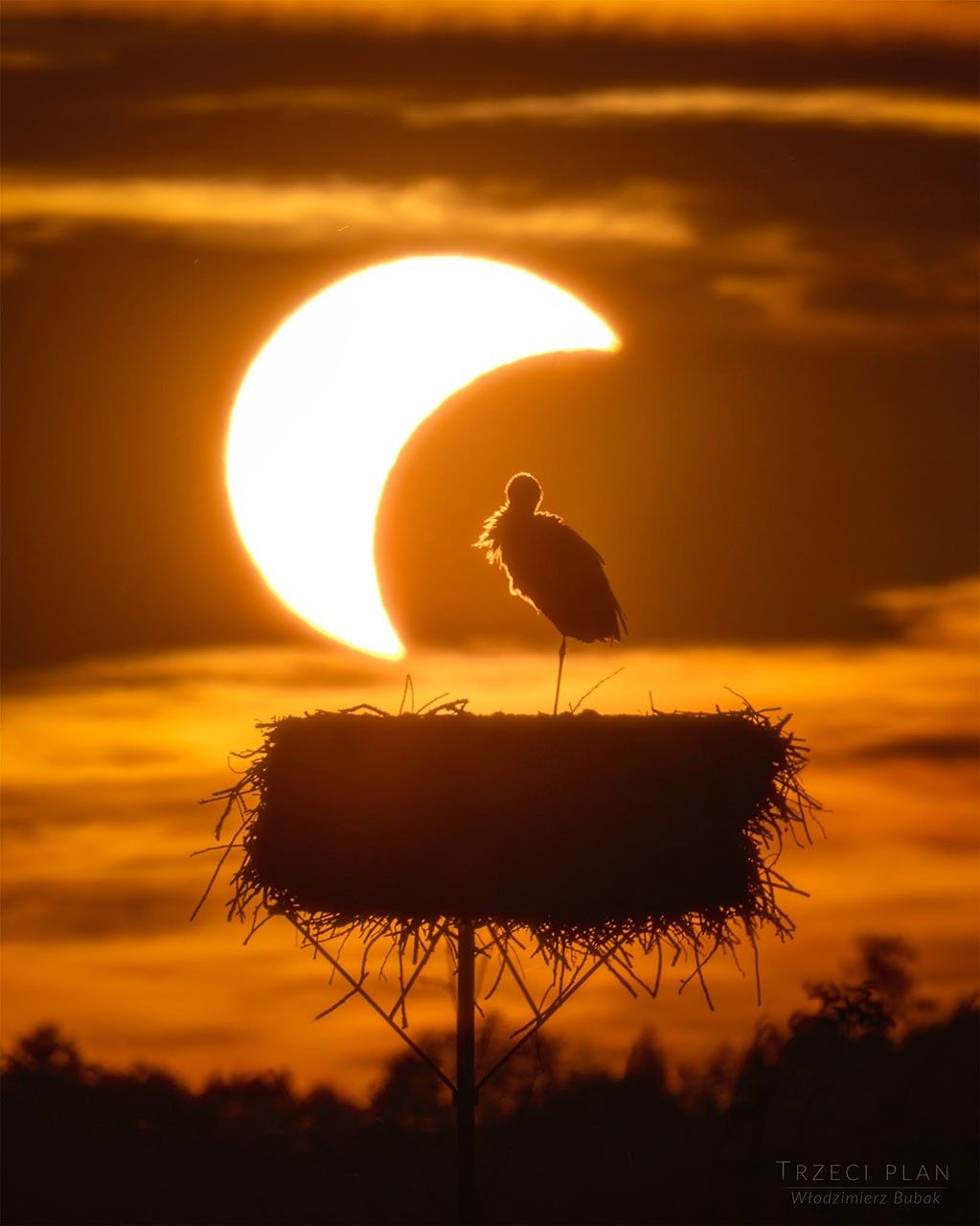
Two days later, a second APOD image — The Eclipse and the Stork — took a different approach entirely. A stork captured mid-flight appears silhouetted against a partially eclipsed Moon, a coincidence of timing and framing that no planning could fully guarantee. Both photographs were taken by independent astrophotographers and selected by a panel of professional astronomers, underscoring a recurring theme in public astronomy outreach: meaningful scientific imagery does not always require institutional infrastructure. A camera, an ephemeris and a clear horizon can be enough.
Venus commands the evening sky as planets align
Beyond the eclipses, NASA's September 2026 skywatching guide flags several planetary events worth tracking across the month. Venus reaches a period of exceptional brightness in the western sky after sunset, visible to the naked eye well before full darkness sets in. At its current magnitude, it outshines every other object in the night sky except the Moon, and observers can use it as a convenient anchor point to sweep toward fainter targets nearby.
The Moon itself provides a series of useful guides throughout September. It passes close to Antares, the red supergiant that anchors the constellation Scorpius, and drifts near the Teapot, the distinctive asterism in Sagittarius whose spout points roughly toward the galactic centre. Toward the end of the month, the Harvest Moon — the full moon nearest the autumnal equinox — rises in close proximity to both Saturn and Neptune. Binoculars will help place Neptune in its stellar context, while Saturn's rings are resolvable with even a modest telescope under steady seeing conditions.
The autumnal equinox shifts the observing season
September also brings the autumnal equinox in the Northern Hemisphere, the moment when day and night reach approximate parity before darkness begins to gain the upper hand. For mid-latitude observers, this translates directly into longer usable windows for nighttime astronomy — a practical advantage that compounds through October and into winter.
NASA's monthly guide notes that early autumn atmospheric conditions frequently offer better sky transparency than summer, when heat-driven turbulence degrades seeing. This makes the season particularly well-suited to planetary detail work: Saturn's ring structure, the cloud bands of Jupiter when it returns to prominence, and extended searches for faint deep-sky objects all benefit from the steadier air that tends to accompany the season's transition.
Taken together, the eclipse imagery and the planetary lineup make September 2026 a reminder that some of the most instructive moments in astronomy unfold at no cost, in no particular location, and with no specialised equipment — just a willingness to look up at the right time.