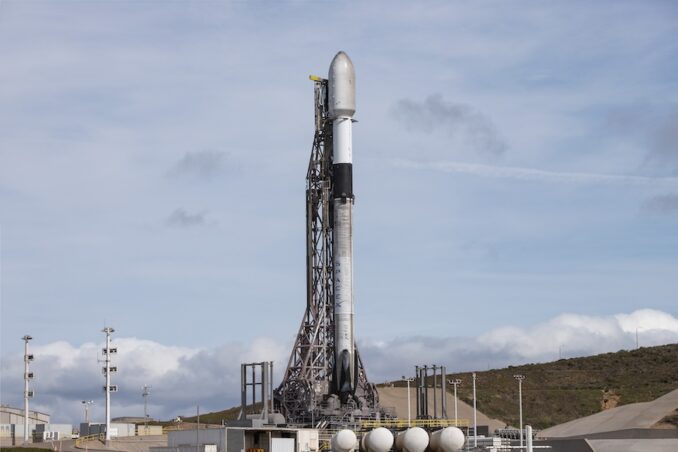
Falcon 9 returns to the pad after an abort
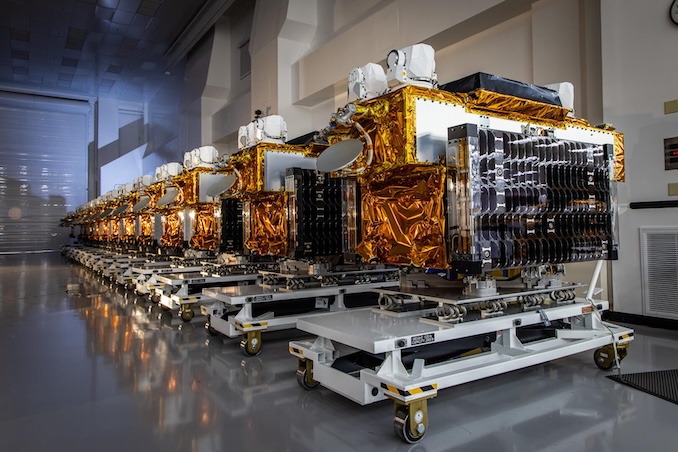
SpaceX's Starlink 17-39 mission lifted off from Launch Complex 4E at Vandenberg Space Force Base in California following an earlier scrub that had pushed the attempt back by at least one day. The target liftoff time was set for 7:43 a.m. PDT, or 14:43 UTC. The flight marked the 85th Falcon 9 launch of 2026, a number that underscores the sustained operational tempo SpaceX maintains to keep building out its Starlink broadband constellation.
Launching from Vandenberg rather than Cape Canaveral allows the Falcon 9 to reach higher orbital inclinations, covering higher latitudes with greater effectiveness. The mission followed the standard Starlink flight profile: deploy a fresh batch of flat-packed satellites into low Earth orbit, then recover the booster on a drone ship or landing pad. First-stage recovery has become so routine for SpaceX that it rarely warrants separate coverage — yet it remains a technical achievement that no other launch provider replicates at this scale.
Starship Flight 13 aborted, a new attempt in the works
While the Falcon 9 campaign rolled forward, Starship grabbed its own share of headlines after Flight 13 was scrubbed during the terminal countdown at Boca Chica, Texas. SpaceX did not immediately release a detailed explanation for the hold, which is not unusual — automated abort systems on a vehicle as complex as Starship can trigger on a wide range of conditions, from an out-of-range sensor reading to a propellant loading irregularity or a wind shear at altitude.
As of publication, SpaceX was working toward identifying a new launch window for Flight 13. No official date had been confirmed. The mission carries weight beyond routine testing: NASA is watching each Starship flight closely as part of its Human Landing System program, which relies on a crewed Starship variant to deliver astronauts to the lunar surface under the Artemis architecture. Each successful demonstration brings that objective closer; each scrub adds to a schedule that was already under pressure.
A broader international launch slate
SpaceX was not the only player active during the week of July 20, 2026. Chinese launch vehicles were also on the schedule, reflecting the continued acceleration of the People's Republic of China's orbital launch program. Organizations operating under CASC and allied commercial entities have sharply increased their annual launch counts over the past several years, making China a consistent presence in any given week's global manifest.
That density of activity points to something larger: low Earth orbit has become a genuinely contested and crowded operating environment, with government agencies, commercial operators, and national programs all competing for windows, frequencies, and slots. The pace shows no sign of easing.
For SpaceX specifically, the coming days will hinge on when Starship can return to the pad. Flight 13 does not need to be perfect — the program has learned through each incremental test — but it does need to fly. The longer the gap between attempts, the more the downstream schedule for Artemis and other Starship-dependent missions stretches.