Falcon 9 keeps the production line moving
On the morning of July 20, 2026, a Falcon 9 rocket lifted off from Space Launch Complex 4E at Vandenberg Space Force Base in California, carrying 24 Starlink broadband satellites to low Earth orbit. The mission, designated Starlink 17-39, marked SpaceX's 85th orbital launch of the year — a pace that no other launch provider comes close to matching. Liftoff took place at 7:36 a.m. PDT (1436 UTC), with the booster completing a controlled landing on a drone ship shortly afterward.
The sheer regularity of these missions has become one of the defining characteristics of the current space era. Each recovered first stage represents another data point in SpaceX's argument that rapid reusability is not just technically feasible, but commercially transformative. The Starlink constellation now spans several thousand active satellites, and deployment cadence shows no sign of easing.
Starship Flight 13: abort, investigation, and what comes next
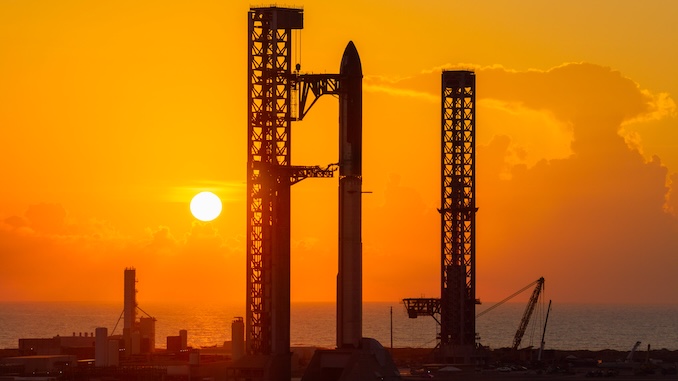
While Falcon 9 operations remain steady, attention within the spaceflight community is increasingly focused on Boca Chica, Texas, where SpaceX is working through the aftermath of last week's aborted Starship Flight 13 launch attempt. The company has not yet disclosed the specific reason that led teams to halt the countdown, nor has it confirmed a new target date. A fresh attempt is expected once engineers have completed their review and the Federal Aviation Administration has confirmed the necessary regulatory clearances are in place.
The stakes surrounding Starship remain exceptionally high. The fully reusable two-stage vehicle — comprising the Super Heavy booster and the Starship upper stage — is central to NASA's Artemis lunar landing plans, and SpaceX views it as the long-term successor to Falcon 9 for both commercial and deep-space missions. Every test flight, successful or not, generates operational data that feeds directly into the vehicle's development roadmap.
A global launch schedule with more than one player
The week of July 20 also features launches from Chinese providers, a reminder that the broader launch market has grown far more competitive and geographically distributed than it was even five years ago. CNSA and its affiliated commercial operators have consistently maintained high launch rates in 2026, covering everything from navigation satellite replenishment to commercial rideshare missions.
Taken together, this convergence of activity — SpaceX's industrial-scale Falcon 9 program, the development flights of Starship, and the expanding Chinese launch cadence — reflects an industry in structural transformation. The annual global launch count has reached levels that would have seemed implausible a decade ago, driven by falling costs, reusability, and growing demand for connectivity infrastructure in orbit.
For SpaceX specifically, the short-term challenge is familiar: sustain Falcon 9 reliability while pushing Starship toward operational maturity. The two programs are financially intertwined, with Starlink revenue and Falcon 9 contracts providing the capital that underwrites Starship's continued development.