Nova edges toward its first flight
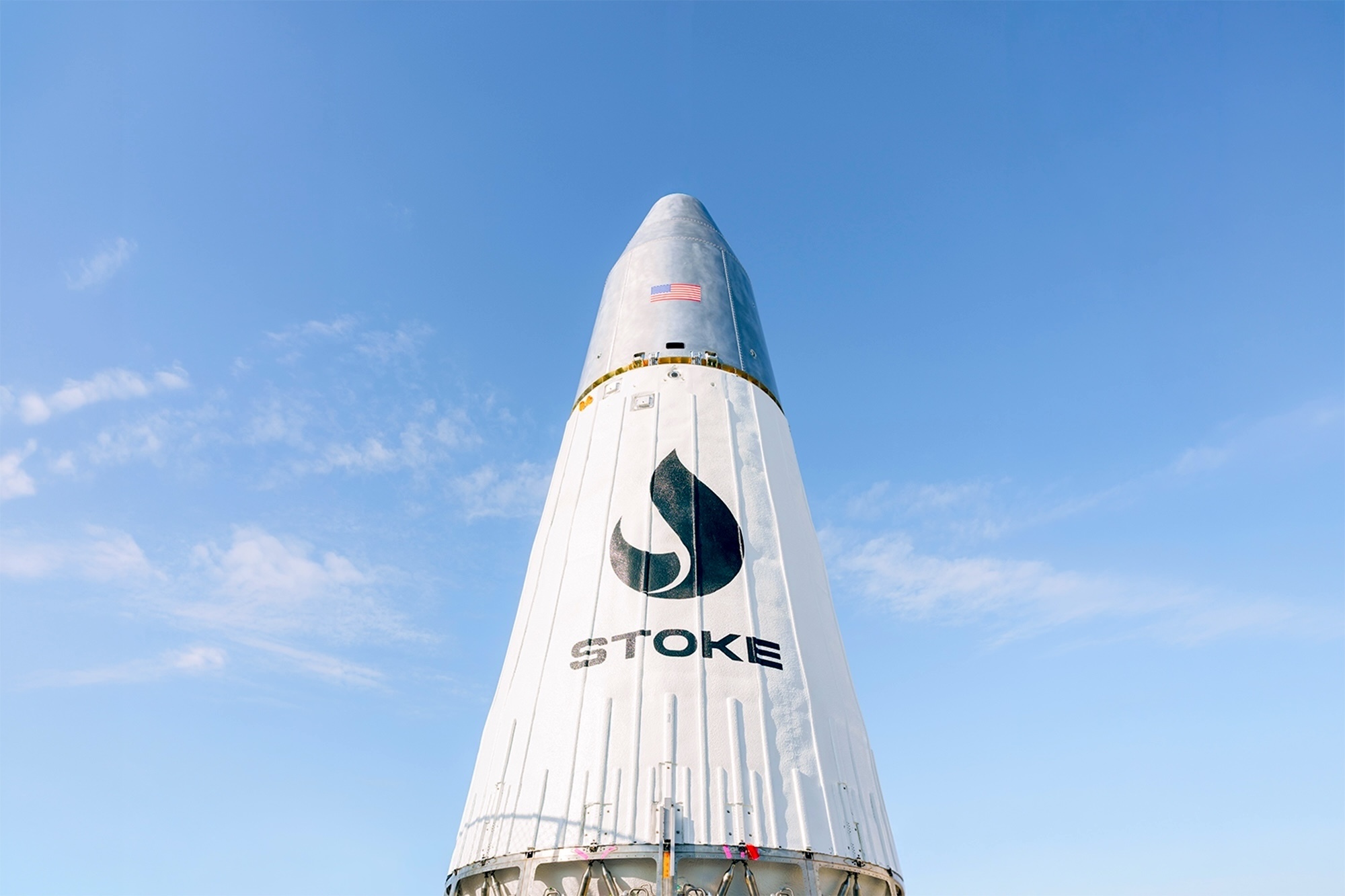
Kent, Washington-based startup Stoke Space has publicly announced a target launch window for the first flight of its Nova rocket, marking a tangible shift for a company that has historically kept its operational timelines close to the chest. Founded in 2019, Stoke has spent the past several years developing what it describes as a fully reusable two-stage launch vehicle — both the booster and the upper stage are designed to return and be reflown, a technical combination that sets it apart from most of its NewSpace peers.
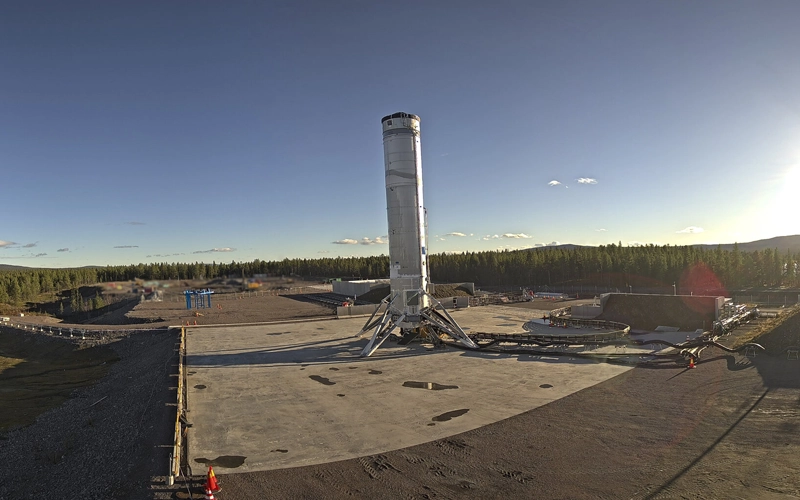
Nova is sized to carry several metric tons to low Earth orbit, but its most distinctive feature is the upper stage return system. Powered by an annular aerospike-style engine cluster, the second stage is engineered to reenter the atmosphere and land propulsively under its own guidance. This concept was validated through a series of suborbital hop tests over the past two years, during which the team worked through thermal protection and guidance challenges that no other active program has tackled in quite the same way. A firm launch date has yet to be confirmed — timelines in this industry are inherently subject to revision — but the announcement of a concrete target window signals meaningful hardware readiness.
Historic pads, new ambitions
Stoke Space is preparing to launch from Launch Complex 14 at Cape Canaveral Space Force Station, a pad steeped in history: it sent the first American astronaut into space aboard a Mercury-Atlas vehicle in 1962. The site has since undergone significant upgrades, including a new service tower tailored to Nova's architecture.
Just a few hundred meters down the flight line, Relativity Space is conducting parallel preparations at Launch Complex 16 for the debut of its own fully reusable rocket, Terran R. The proximity of these two programs on what insiders call Missile Row — a stretch of the Cape originally built for intercontinental ballistic missile testing — reflects just how thoroughly the commercial space industry has taken root at Cape Canaveral. Two privately funded, fully reusable rockets preparing for first flight on adjacent pads would have seemed improbable a decade ago.
A larger rocket already on the drawing board
Stoke Space also took the opportunity to sketch out plans for a heavier-lift successor to Nova, though specific performance figures and timelines for that program remain undisclosed. The move is a deliberate one: in a competitive launch market, demonstrating a credible roadmap beyond the first vehicle helps attract long-term payload commitments from commercial satellite operators and government customers alike.
The approach mirrors strategies employed by other NewSpace players. Rocket Lab revealed its Neutron rocket concept well before the vehicle reached hardware maturity, and SpaceX built sustained investor and customer interest in Starship over many years before it ever reached the launch pad. For Stoke, signaling a growth path while Nova is still awaiting its first flight is as much a commercial statement as a technical one.
The underlying logic articulated by the company's leadership is straightforward: the broader space economy can only expand as quickly as the launch industry can provide affordable, reliable access to orbit. Whether Nova delivers on that promise will become clearer once it lifts off from LC-14 — and whether Stoke can recover both stages intact on early flights will be the real proof of concept the industry is watching for.