Rooted in the earliest days of powered flight
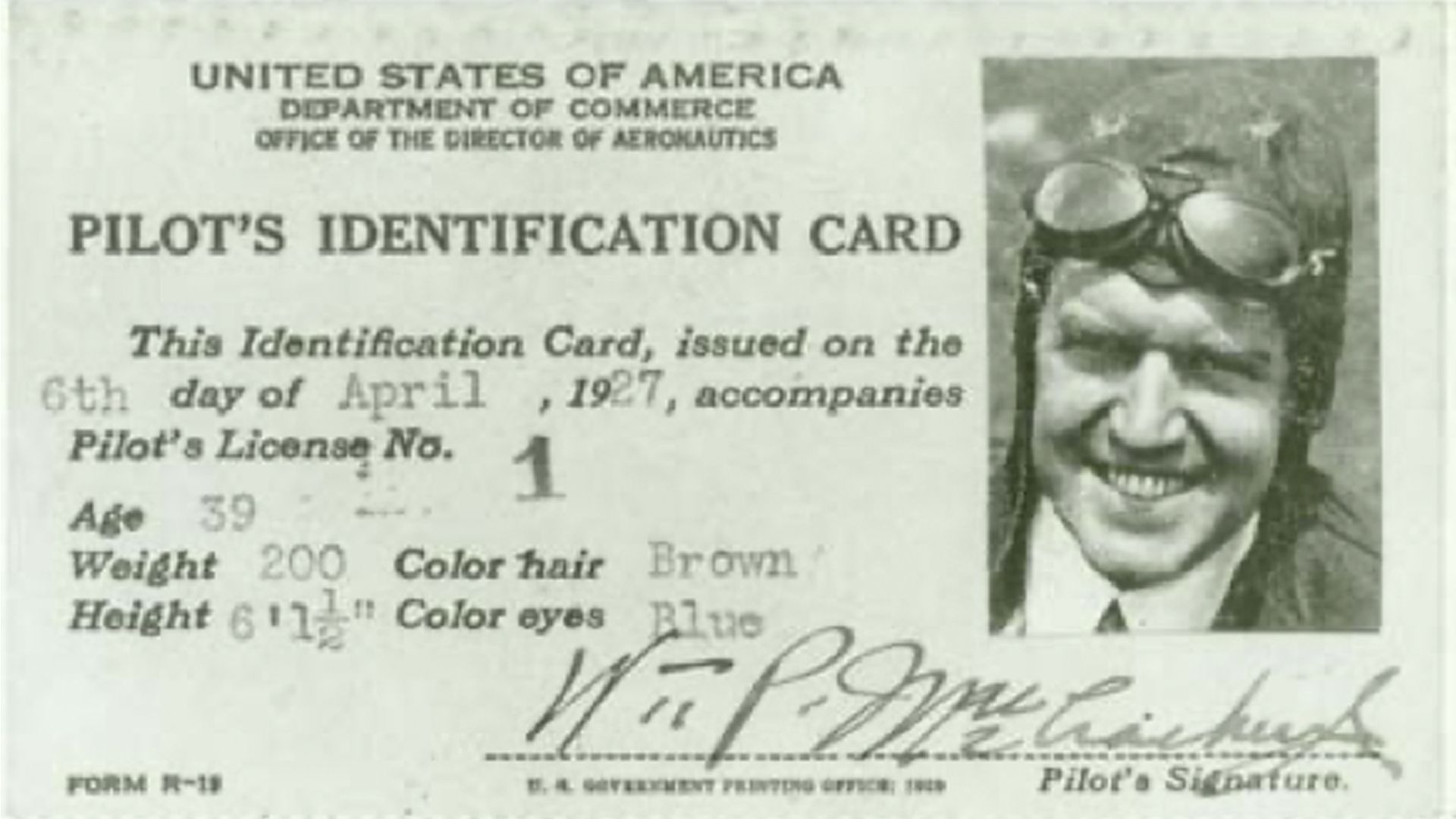
The lineage NASA traces for its pilots begins with the gliders and wood-framed aircraft of the early twentieth century. Long before rockets and spacesuits became the agency's defining images, aviation pioneers were establishing the principles, the disciplines, and the documentation practices that still shape how pilots are trained and certified today. NASA frames this history not as nostalgia, but as a living foundation — one that continues to influence how its own aviators are selected, qualified, and deployed.
The numbers alone tell a striking story. Of the 360 individuals NASA has selected as astronauts since the program's inception, 191 were already certified pilots before they ever applied. That is more than half, and it reflects something deeply embedded in the agency's culture: the ability to manage a vehicle in three-dimensional space, under pressure, with limited information, remains one of the most transferable skills in aerospace.
The logbook: a document that outlasted the paper age
Pilot flight logs predate virtually every other standardized record-keeping tool in aviation. From rough handwritten notes made by early aviators to today's digital logging platforms, the logbook has evolved in format but not in purpose. It captures cumulative flight hours, the number and locations of takeoffs and landings, specific flight conditions, and any unusual events encountered during a mission.
These records serve a range of practical functions. Legally, they document a pilot's qualifications and support the renewal or upgrade of certifications. Professionally, they allow aviators to track their own development and demonstrate experience to employers or certifying authorities. Within NASA specifically, logbooks generated during research flights become part of the data record — a traceable account of what was tested, when, and under what conditions. In experimental aviation, that traceability is not optional.
NASA pilots today: researchers, monitors, and integration specialists
The modern NASA pilot operates well beyond the traditional image of a test pilot breaking speed records over the Mojave Desert. Today's agency aviators fly instrumented aircraft over active wildfires, gathering atmospheric measurements and thermal imaging data that support emergency response teams on the ground. They validate new aeronautical technologies under controlled conditions and contribute directly to the development of quieter, more fuel-efficient aircraft.
The rapid expansion of uncrewed aerial systems has added another dimension to the role. NASA pilots are now actively involved in efforts to integrate drones safely into shared civil airspace — a challenge that combines technical complexity with regulatory negotiation, and one the agency is pursuing alongside both government partners and private industry players.
What connects all of these roles — past and present, atmospheric research and spacecraft command — is a discipline built on careful observation, rigorous documentation, and a willingness to operate in conditions where the margin for error is narrow. The logbook may look different than it did a century ago, but the habits of mind it represents have not changed. Whatever form the next generation of NASA pilots takes, those habits will still matter.