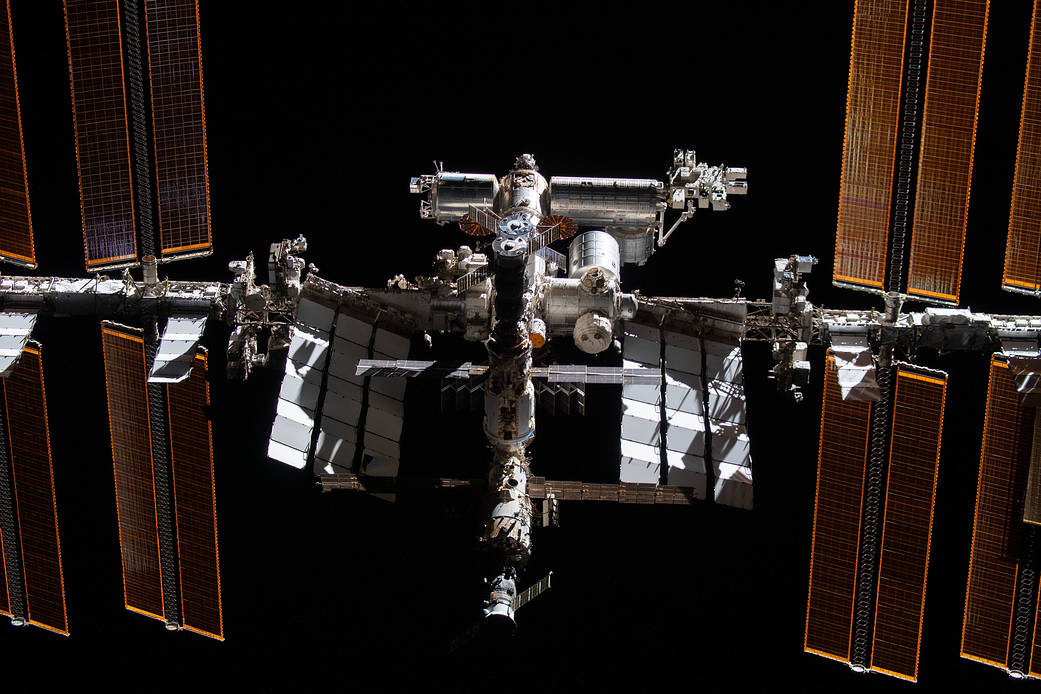
At 9:04 a.m. Eastern Time on Friday, June 5, 2026 — 13:04 UTC — an air leak alert was triggered aboard the International Space Station. The source: the Russian PrK module, located adjacent to Zvezda. Five crew members were ordered into a safe-haven posture. The alert was lifted roughly two hours later, with no injuries and no structural damage. What the episode exposed, however, warrants a closer look.
Safe haven, not evacuation
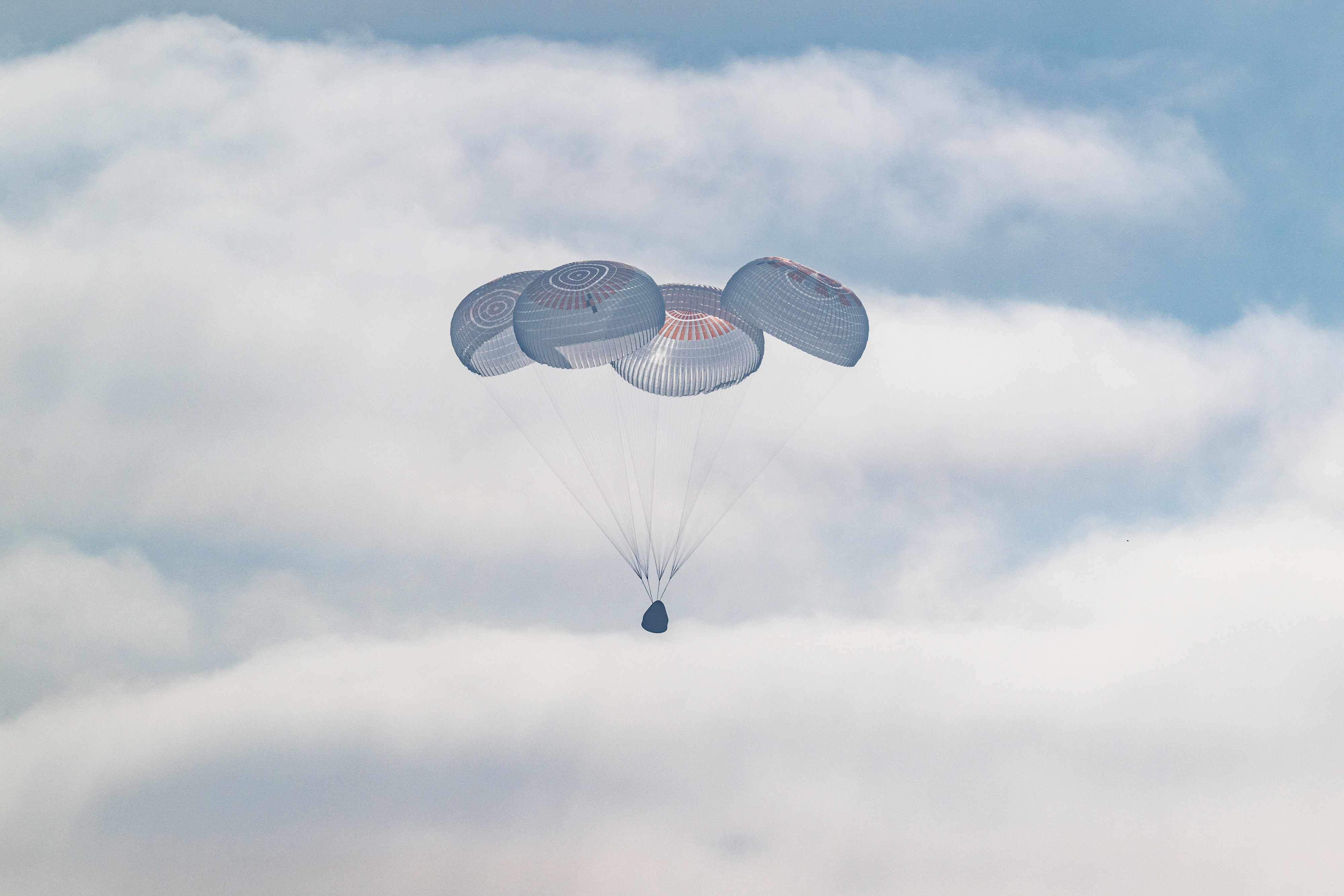
The distinction matters. The five crew members involved — Jessica Meir, Jack Hathaway (NASA), Sophie Adenot (ESA), Andrey Fedyaev (Roscosmos), and Christopher Williams (NASA), who arrived in November — were directed to board the docked SpaceX Crew Dragon capsule and suit up. This was a precautionary measure, not an abandonment of the station.
NASA spokesperson Bethany Stevens confirmed that the crew returned to normal operations once Roscosmos suspended its repair work. No actual evacuation took place. The station remained operational throughout the incident.
A saw, a disagreement, a shelter order
The crux of the incident is straightforward: two Russian cosmonauts, Sergey Kud-Sverchkov and Sergei Mikayev (Roscosmos, both of whom arrived in November), did not follow the safe-haven procedure and instead moved to locate and address the suspected crack. Their planned method involved using a saw to gain access to the affected area.
NASA disagreed with this approach. It was precisely that methodological disagreement that prompted the safe-haven order, issued — in the agency's own framing — as a precautionary measure. The alert was not lifted until Roscosmos stood down its repair activities.
The exact origin of the crack remains officially undetermined.
Zvezda: a leak that has been building for years
The June 5 incident did not emerge from nowhere. The Zvezda module has presented documented leaks for several years, with joint NASA-Roscosmos monitoring ongoing for months. Two days before the incident, on June 3, 2026, NASA had already characterized leak levels as reaching a threshold it described as "high risk" — operational language that signals a crossed boundary, not an immediate emergency.
The leak involves compressed air — a closed-loop mixture of nitrogen and oxygen — not pure oxygen, as some outlets have incorrectly reported. That distinction is not trivial: it meaningfully changes the actual risk profile for the crew aboard the station.
What this says about the Russian segment's condition
Beyond the sequence of events, this episode reflects a reality that engineers at both agencies know well: the Russian segment of the ISS is aging. Launched in July 2000 with a design life of roughly fifteen years, it is now operating well beyond that envelope. The recurring leaks in Zvezda, parts supply constraints, and successive workarounds all point to a picture of incremental structural fatigue.
The June 5 disagreement over repair methodology is not a footnote. It reflects distinct engineering cultures and, possibly, different tolerances for risk under pressure. The fact that NASA judged it necessary to place five crew members in a shelter posture while two cosmonauts worked a few meters away says something about the level of mutual confidence in each other's intervention protocols.
The ISS is scheduled for deorbit around 2030. Until then, the Russian segment will continue to be monitored closely. June 5, 2026 will stand as a reference point — not as a dramatic turning point, but as a marker of wear that neither agency, nor their crews, can afford to overlook.