Starfish Space's Otter heads for its first real test
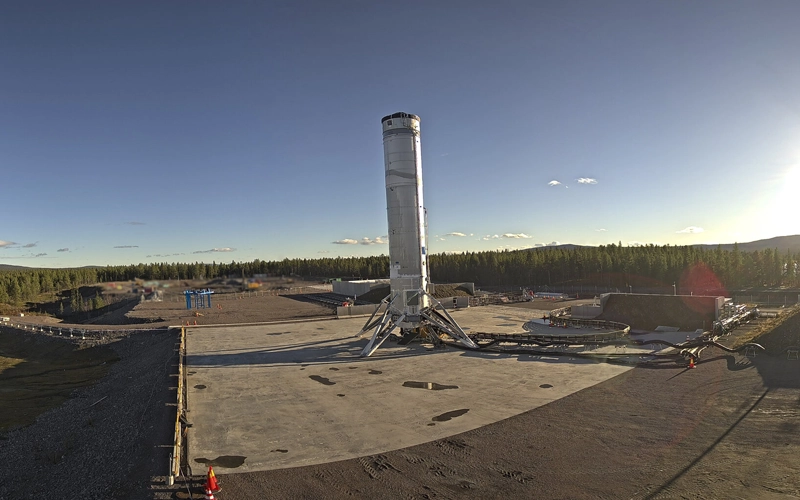
It has taken Starfish Space the better part of seven years to reach this point. The Kent, Washington-based startup has confirmed that its first full-scale Otter satellite servicing vehicle is assembled, qualified, and ready for flight. The mission is booked on SpaceX's Transporter-18 rideshare, the latest in a series of Falcon 9 missions that have become a standard on-ramp to low Earth orbit for smallsat operators worldwide.
The Otter is built around a straightforward but technically demanding premise: approach another satellite on orbit, dock with it, and then provide a service — whether that means extending its operational life through refueling, nudging it into a new orbital slot, or preparing it for a controlled reentry. For the commercial satellite industry, which routinely writes off aging spacecraft long before their hardware fails, a capable and affordable servicing vehicle could alter the economics of the entire sector.
The pressure on this first flight is considerable. As one company official noted ahead of the launch, there is an inherent tension whenever a technology flies for the very first time. An on-orbit demonstration that validates proximity operations and docking will be crucial to Starfish Space's ambitions and to investor confidence in the broader satellite servicing market.
NASA bets on a safer, leaner propulsion architecture
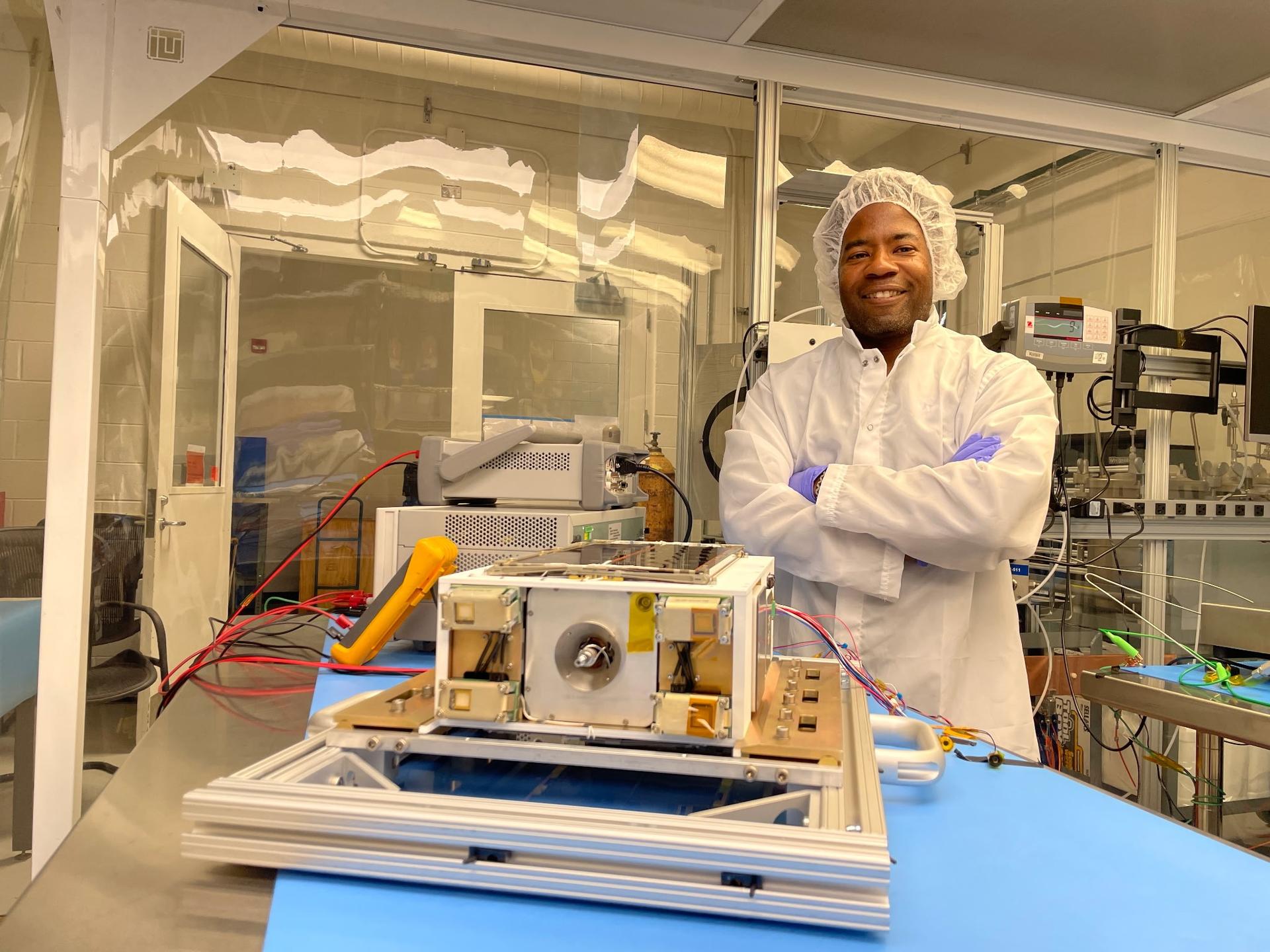
At NASA's Marshall Space Flight Center in Huntsville, Alabama, a different approach to orbital longevity has been taking shape. Engineers recently completed a full battery of environmental and structural tests on an experimental CubeSat featuring what the agency calls a dual-mode propulsion system. The concept integrates two distinct propulsion functions into a single compact unit, replacing conventional volatile propellants with safer, easier-to-handle alternatives.
The practical implications are significant. Traditional small satellite propulsion systems often require careful handling of hazardous chemicals during integration and transport, adding complexity and cost. Splitting maneuvering functions between separate subsystems also eats into the mass and volume budgets that smallsat designers guard jealously. A unified, lower-risk propulsion block could streamline development and open the door to more ambitious mission profiles for CubeSats and other small platforms.
With ground testing now complete, the CubeSat awaits a launch opportunity. NASA has not specified an exact date, but the results from orbit will be closely watched by both government mission planners and commercial operators looking for propulsion solutions that scale down without sacrificing capability.
Two paths toward the same destination
Placed side by side, the Otter and NASA's propulsion CubeSat represent complementary answers to the same underlying challenge: satellites are expensive to build and launch, yet they are routinely abandoned once fuel runs low or a component degrades. The industry has long acknowledged the waste embedded in that model.
Starfish Space addresses the problem from outside the satellite — sending a dedicated vehicle to extend its life. NASA's approach works from within — giving the spacecraft itself a more capable and efficient propulsion system from day one. Neither solution is sufficient on its own, but together they point toward an orbital environment where active lifecycle management becomes the norm rather than the exception.
As low Earth orbit grows more congested — driven by mega-constellations from SpaceX, Amazon, and others — the pressure to manage satellites responsibly across their full operational lifespan will only intensify. The coming months, with early flight data from both programs, should offer a clearer picture of how close these technologies are to widespread adoption.