Another Milestone for Europe's Reusability Bid
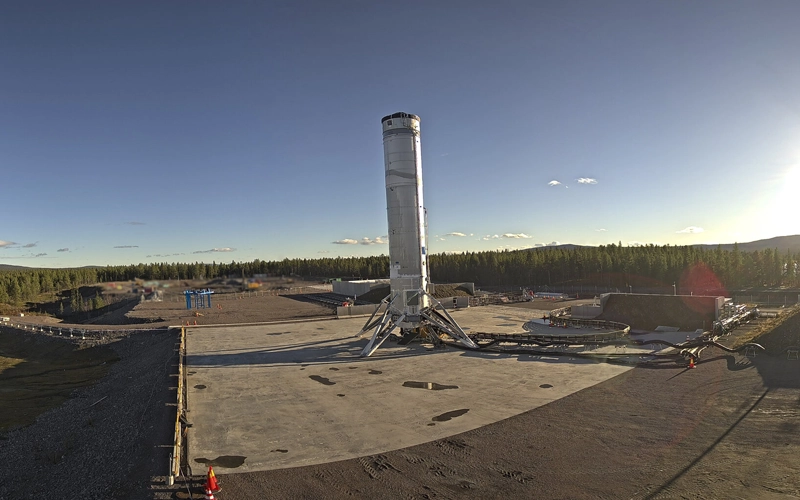
The European Space Agency confirmed on 7 October that the Themis reusable rocket demonstrator had successfully completed its second wet dress rehearsal at the Esrange Space Center in northern Sweden. The test itself took place on 29 September, carried out jointly by ArianeGroup and the Swedish Space Corporation, which operates the facility.
A wet dress rehearsal is among the most demanding validation steps in any launch campaign. It involves loading the vehicle with propellants as though liftoff were imminent, exercising the full ground support infrastructure, and then safely detanking without igniting the engines. The exercise stresses both onboard systems and the ground crew procedures in conditions as close to launch day as possible — without actually leaving the pad.
Why Esrange, and Why It Matters
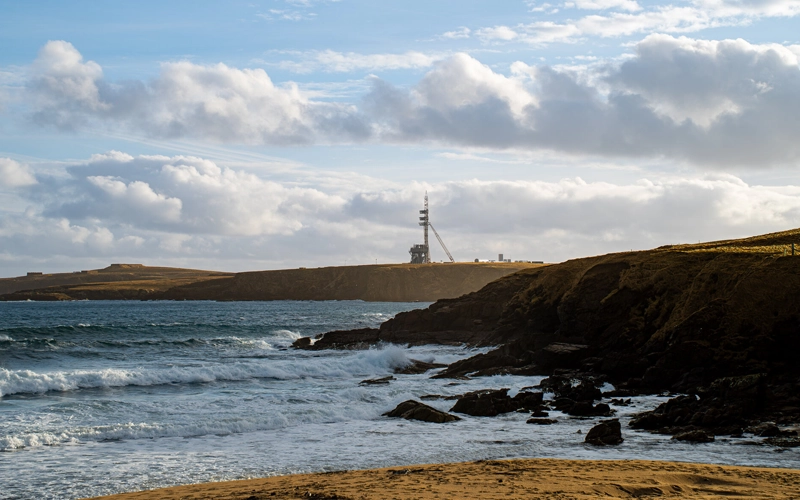
The selection of Esrange as Themis's test site reflects a deliberate strategic choice. Managed by the Swedish Space Corporation, the northern Swedish facility offers infrastructure suited to small and medium-class launch vehicles, along with more flexible safety constraints than those governing the Guiana Space Centre in French Guiana. For ArianeGroup, it provides a cost-effective environment in which to accumulate hands-on operational experience with a real vehicle on a real pad.
Themis is powered by the Prometheus engine, a methane-liquid oxygen rocket motor developed by ArianeGroup with ESA backing. The demonstrator's core mission is to validate the technologies that would underpin reusable first stages for future European launchers — a capability that SpaceX has industrialized with the Falcon 9, and one that Europe is determined to develop independently rather than rely on non-European commercial providers.
Progress Is Real, But a Flight Date Remains Elusive
While the second wet dress rehearsal represents genuine forward momentum, the path to a first flight remains undefined. Neither ESA nor ArianeGroup has publicly committed to a launch date for Themis. The program follows a deliberately incremental development logic: each phase must be fully validated before the next begins, a conservative approach that limits risk but also means timelines can stretch.
ArianeGroup's broader industrial situation adds further complexity. The company is simultaneously managing the production ramp-up of Ariane 6 and navigating ongoing European-level debates about future institutional launch needs. Themis, despite its strategic importance, must compete for engineering bandwidth and funding within that crowded landscape.
The next logical milestone for the program would be a static fire test of the integrated Prometheus engine before any flight attempt is considered. Rocket Lab and SpaceX have demonstrated that reusability, once mastered, transforms the economics of launch access. Europe is building toward that same capability one carefully validated step at a time — and Themis, test by test, continues to close the gap.