SPHEREx: Mapping the Universe Beyond the Dust
NASA's SPHEREx space telescope — short for Spectro-Photometer for the History of the Universe, Epoch of Reionization and Ices Explorer — is doing something no optical telescope can: it scans the entire sky in near-infrared light, piercing through the dense clouds of cosmic dust that block visible wavelengths and conceal vast regions of the galaxy from conventional instruments.
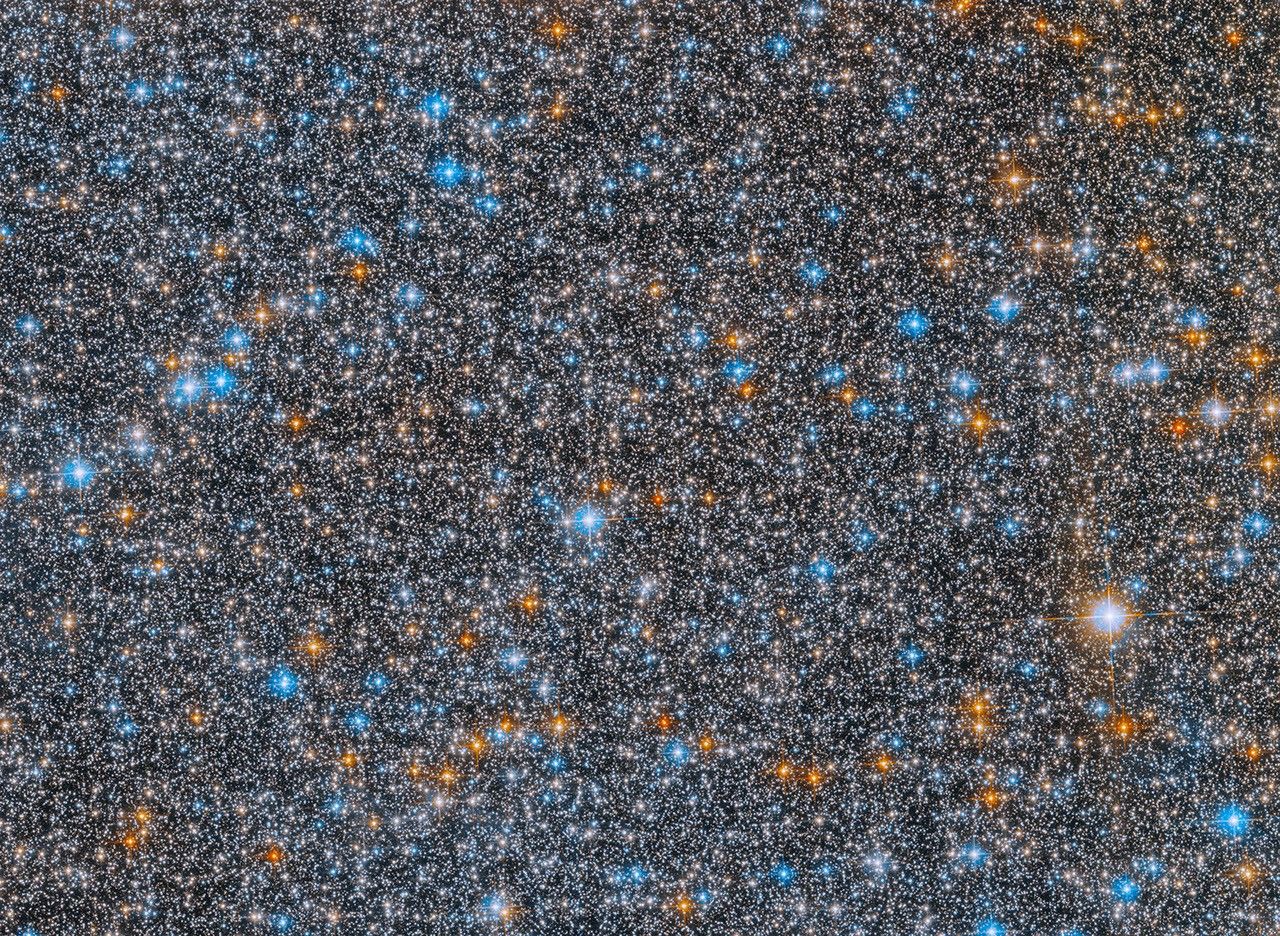
Recent images released by NASA show young stellar clusters still embedded in their birth clouds, regions that would appear as nothing more than dark patches to a standard observatory. By mapping these dusty nurseries, SPHEREx gives astrophysicists a direct window onto the earliest stages of star formation. The mission also targets frozen organic molecules clinging to dust grain surfaces — chemical signatures that may shed light on the origin of the raw materials necessary for life in the early universe.
A Galaxy Reflected on the Lençóis Maranhenses
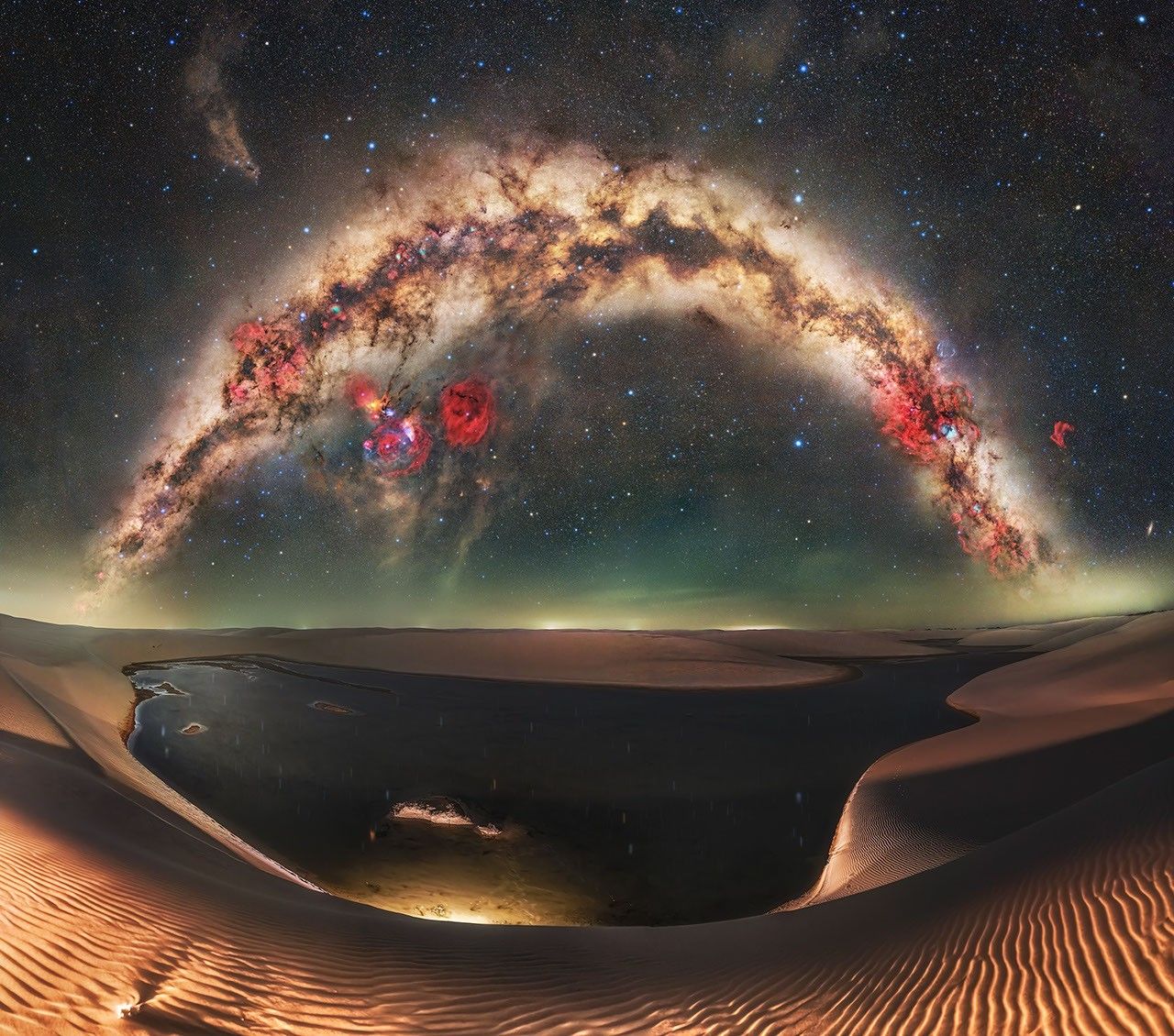
Far from any research institution, a photographer set up a tripod on the white sand dunes of the Lençóis Maranhenses, a coastal desert in northeastern Brazil where seasonal rains fill shallow valleys with crystal-clear lagoons. The result is one of the most striking astrophotographs of the week: the arc of the Milky Way mirrored almost perfectly on the water's surface, dissolving the boundary between sky and ground.
The image was selected by NASA as an Astronomy Picture of the Day — the long-running APOD program, curated daily by professional astronomers since 1995. It carries a quiet but important message: astronomical observation is not the exclusive domain of billion-dollar facilities. The sky rewards patience and positioning just as much as it rewards engineering budgets.
Watching the Moon: Still Plenty Left to Learn
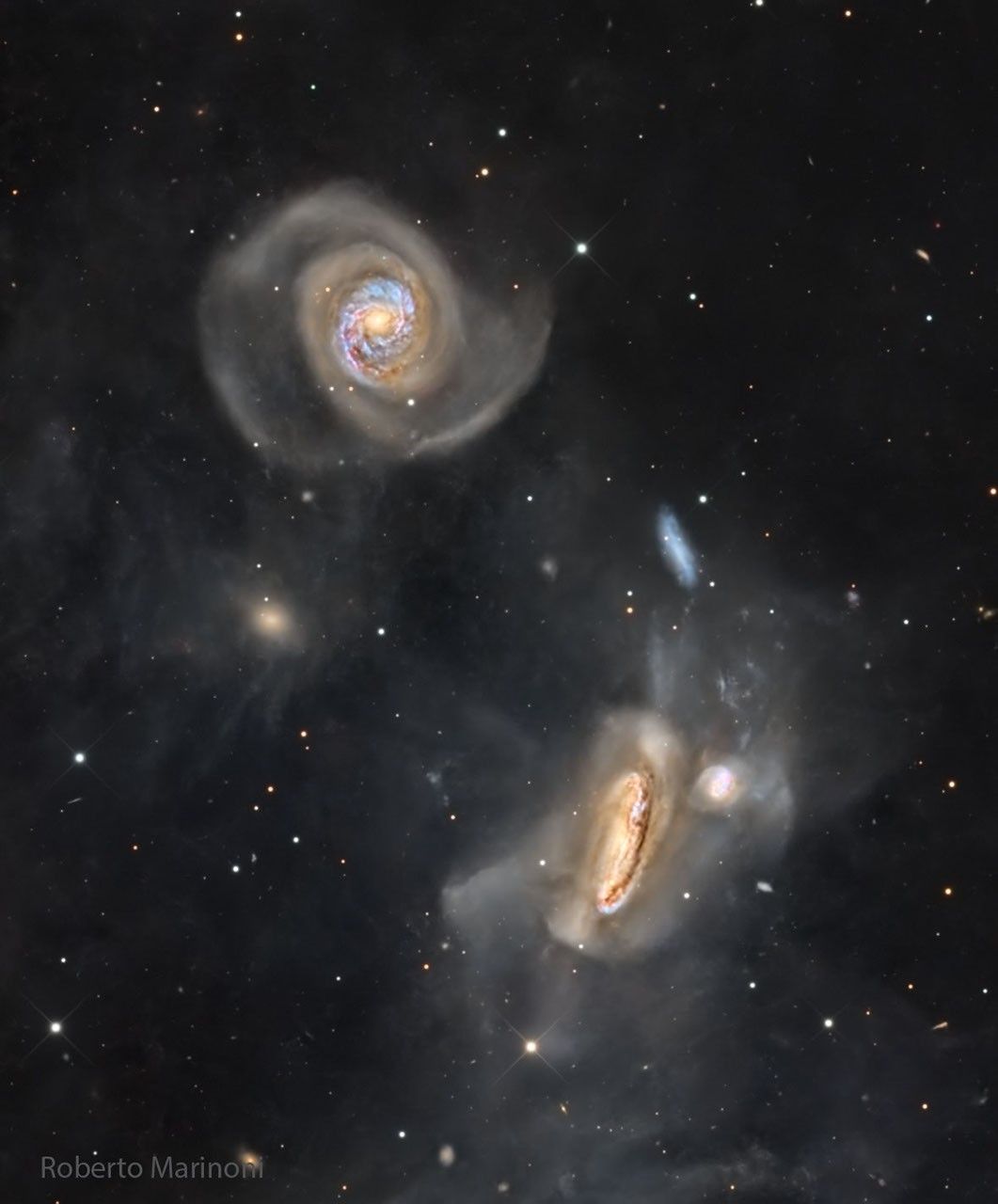
The third image in this sequence turns attention to our nearest neighbor. Lunar observation — whether amateur or professional — has never gone out of fashion, and for good reason. The Moon's surface continues to yield new details as imaging technology improves and observing networks expand. Changes in crater shadows under raking sunlight, subtle variations in albedo, and refined topographic measurements all carry scientific weight.
That weight has only grown heavier in recent years. With NASA's Artemis program, the European Space Agency, JAXA, and CNSA all preparing or executing lunar missions, ground-based documentation of the Moon's surface serves a concrete operational purpose. Every refined image contributes to the topographic models that will guide future landers and, eventually, human explorers back to the surface.
Taken together, these three snapshots — a space telescope probing cosmic dust, a photographer in the Brazilian desert, and a community of dedicated lunar watchers — trace the same underlying impulse: the persistent human drive to look outward and make sense of what is there. That impulse, expressed through wildly different means, is what keeps astronomy alive.