A critical system goes dark
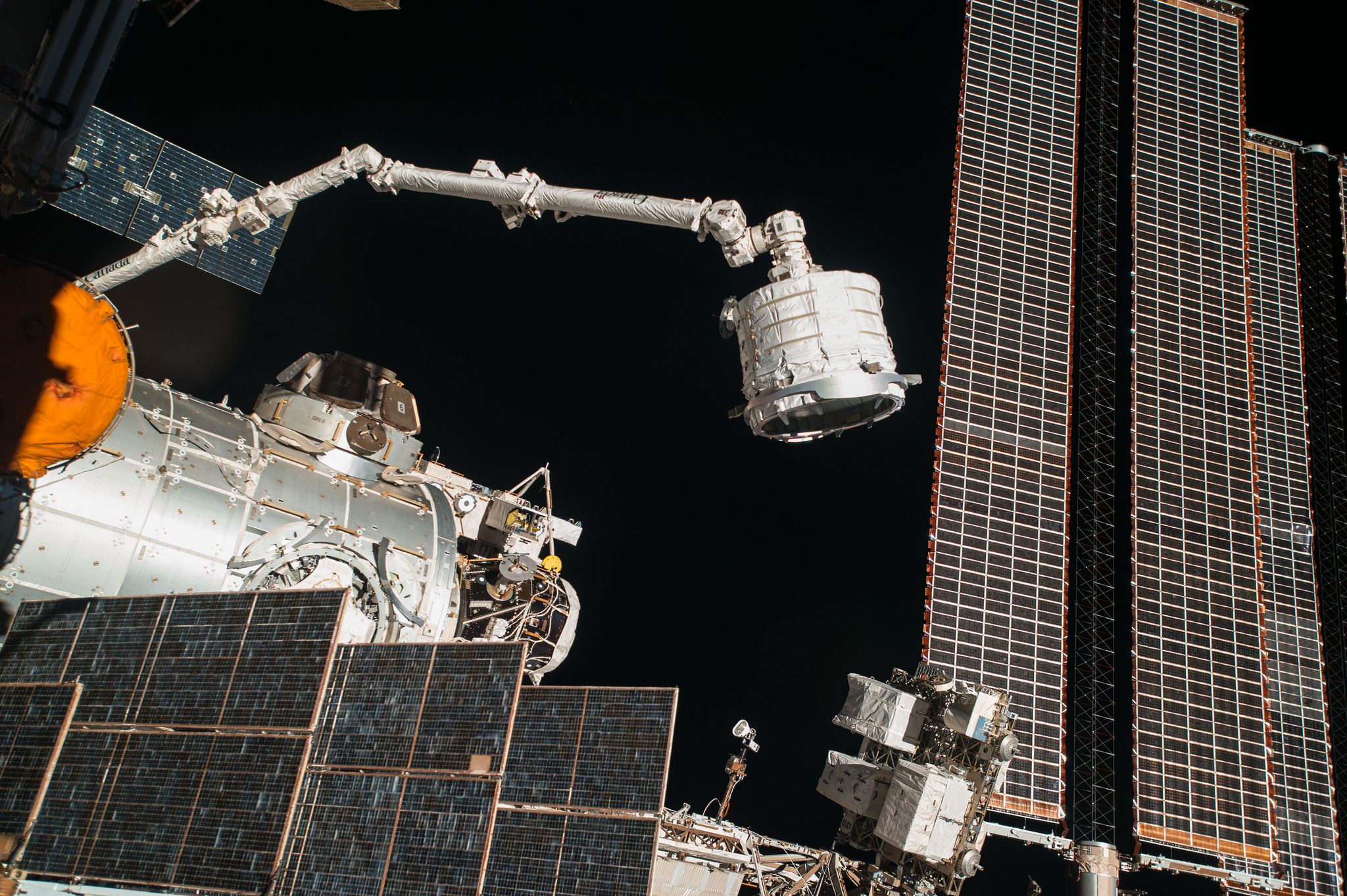
The International Space Station's main robotic arm, known as Canadarm2, has been offline since the final days of September 2026. The 17-meter manipulator, jointly operated by NASA and the Canadian Space Agency, can no longer be controlled — either from the ground or from aboard the station itself. NASA confirmed the malfunction but declined to offer specifics, noting only that the outage could be temporary in nature.
Commissioned in 2001, Canadarm2 has become a cornerstone of station operations. It handles the berthing of cargo vehicles, supports astronauts during spacewalks by repositioning heavy equipment, and assists in module reconfiguration. With the arm out of service, the crew and mission controllers face meaningful operational constraints, even as the station itself continues to function normally across its other systems.
Known facts, open questions
Details remain sparse. NASA has not disclosed whether the root cause is mechanical, electronic, or software-related. No timeline for restoring the arm to service has been released, and the agency has not said whether a spacewalk will be required to carry out repairs.
Malfunctions on Canadarm2 are not without precedent. Over more than two decades of service, the arm has undergone several maintenance interventions, including component replacements performed during extravehicular activities. Its overall reliability record has been strong, which makes this incident stand out.
The broader context is also worth keeping in mind. The ISS, first launched in 1998, is approaching the end of its planned operational lifespan. NASA and its international partners — Roscosmos, the European Space Agency, the Japan Aerospace Exploration Agency (JAXA), and the Canadian Space Agency — are actively working toward a controlled deorbit, currently targeted for the late 2020s or early 2030s. Managing an aging, interconnected infrastructure through that final stretch will require sustained vigilance.
Upcoming missions could feel the pressure
Several crew rotation and resupply flights are scheduled in the coming weeks. SpaceX is slated to conduct flights under NASA's Commercial Crew Program, alongside regular cargo deliveries. Should the Canadarm2 outage persist, certain berthing or cargo-handling procedures may require procedural workarounds or additional ground support.
NASA has not announced any delays or modifications to upcoming missions as of this writing. Engineering teams are continuing their analysis to pinpoint the source of the fault and determine a path to restoring full functionality.
The episode serves as a reminder of just how tightly integrated every system aboard the ISS truly is — and how demanding the final years of operating humanity's longest-running crewed platform will likely prove to be.