Two ceremonies, one day
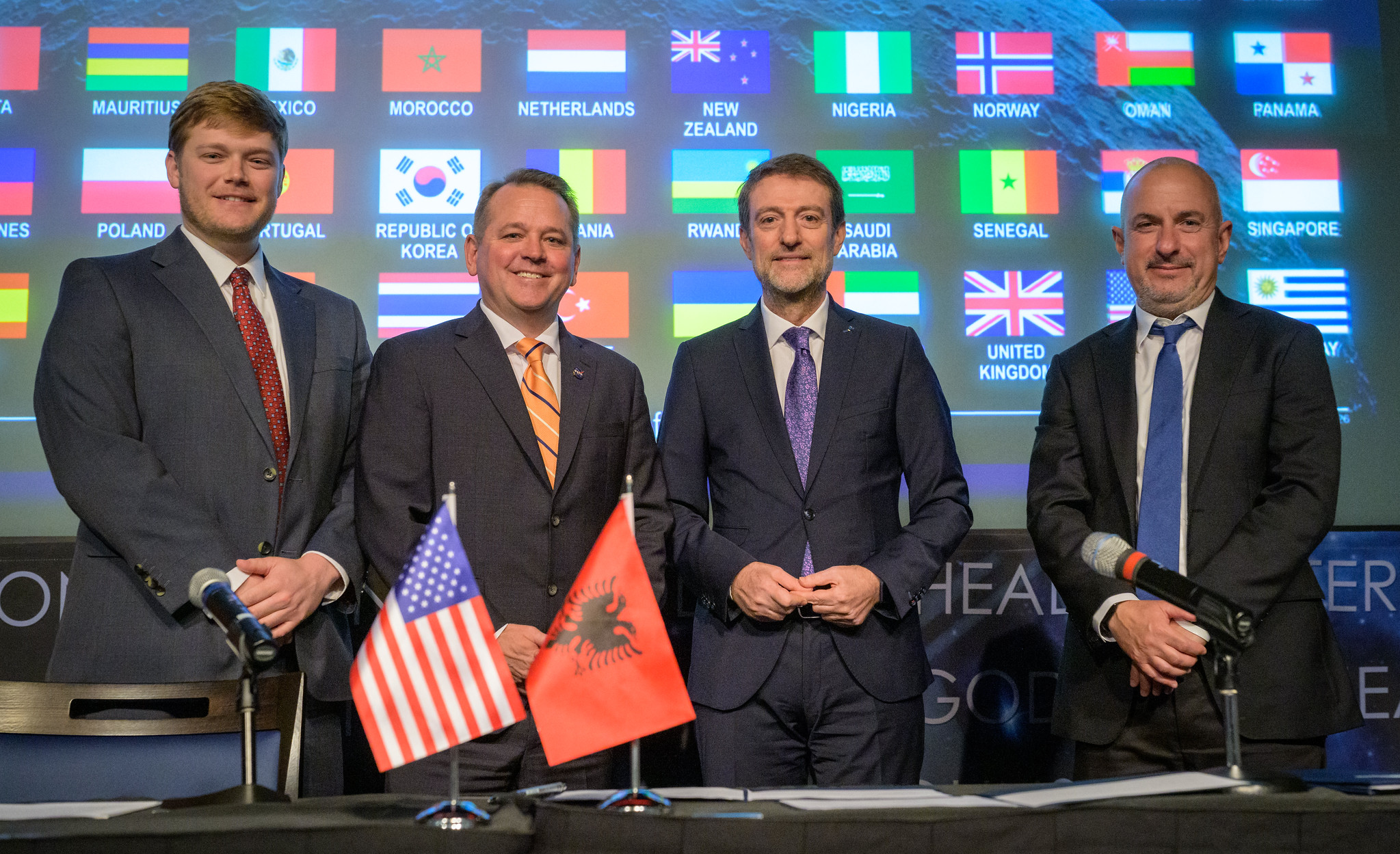
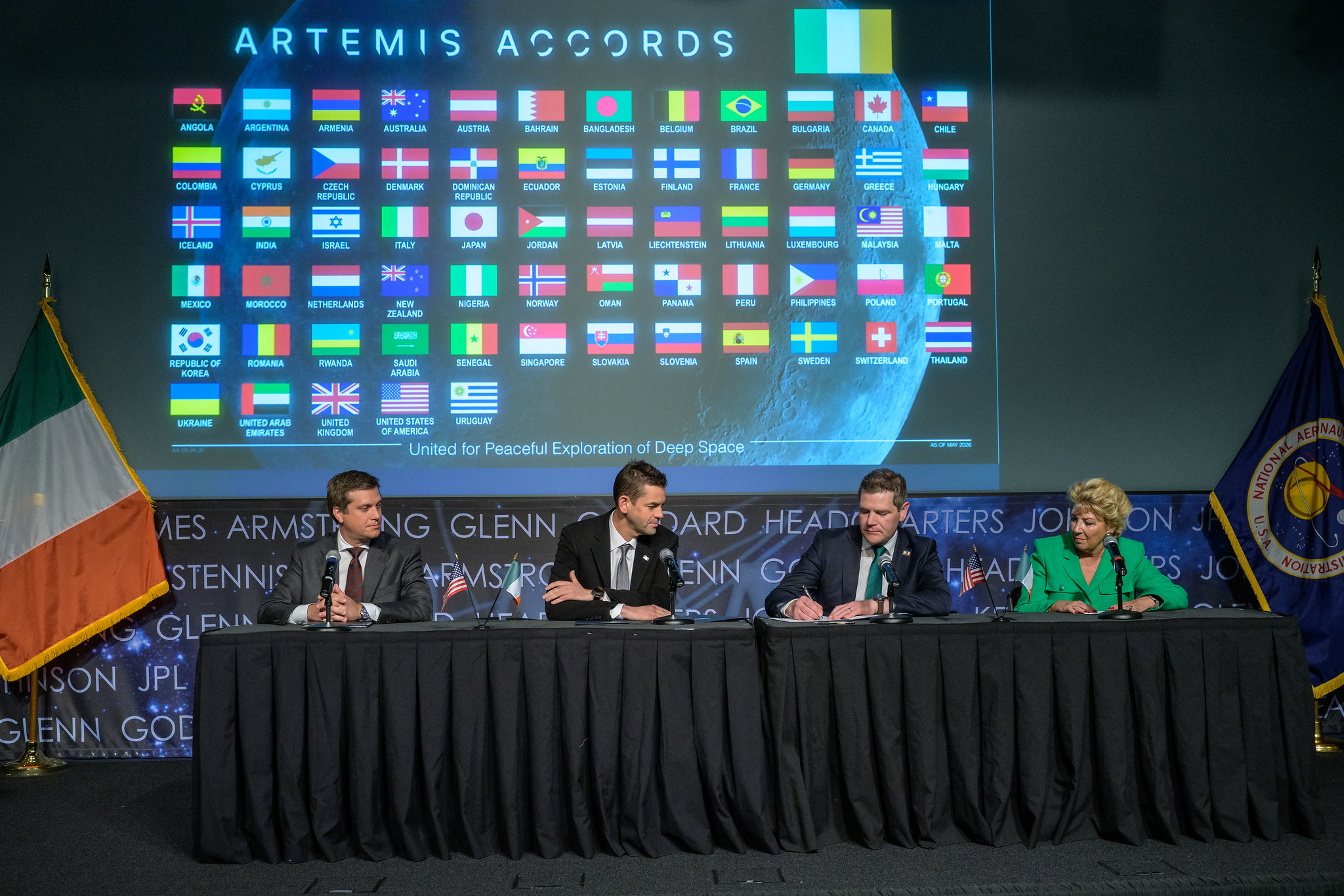
May 4, 2026 produced an unusual diplomatic double: Malta and Ireland each signed the Artemis Accords on the same day, in separate ceremonies held hours apart. Malta's signing took place in the morning in the coastal town of Kalkara, with NASA and U.S. Department of State officials in attendance, making it the 65th nation to join the framework. Ireland followed in the afternoon during a ceremony hosted by NASA, completing what turned out to be a remarkably concentrated day of space diplomacy.
NASA Administrator Jared Isaacman marked the occasion with recorded remarks welcoming Malta into what he called the Artemis Accords community. The phrasing may be diplomatic boilerplate, but it points to a deliberate strategy: every new signatory broadens the political foundation underpinning the U.S.-led lunar exploration effort.
Ireland completes the ESA bloc
Ireland's accession carries particular symbolic weight. A longstanding member of the European Space Agency and an established NASA partner, Ireland's signature means that all 23 ESA member states have now signed the Artemis Accords. That alignment gives the European bloc a degree of coherence on the principles governing responsible space exploration — a coherence that extends from orbital debris mitigation to the handling of lunar resources.
The Accords themselves, launched in 2020 by NASA and the State Department, outline a set of non-binding principles: open sharing of scientific data, transparency about space operations, preservation of historically significant sites on the Moon and in orbit, and the responsible use of in-situ resources. They do not constitute a treaty under international law, but they serve as a common reference point for bilateral cooperation agreements with the United States.
Momentum, but also fault lines
At 65 signatories, the Artemis Accords have become one of the fastest-growing multilateral frameworks in recent space history. Sign-ons have accelerated over the past two years, drawing in nations from Latin America, sub-Saharan Africa, Southeast Asia, and across Europe.
That momentum, however, does not erase the deeper divisions shaping the space landscape. Neither Russia nor China has signed the Accords, and both are advancing a competing framework centered on the International Lunar Research Station, a joint initiative that has attracted its own roster of partner nations. The steady expansion of the Artemis Accords is therefore inseparable from a broader geopolitical contest over who sets the norms for the next era of space activity.
It is also worth noting that signing the Accords does not automatically translate into a seat at the table for Artemis missions themselves. Operational participation — whether through hardware contributions, crew agreements, or commercial contracts with companies like SpaceX or other NASA partners — is a separate matter, negotiated case by case. What Malta and Ireland have signed is, above all, a statement of intent. What that intent produces in practice remains to be seen.