Two missions, two purposes — one rocket
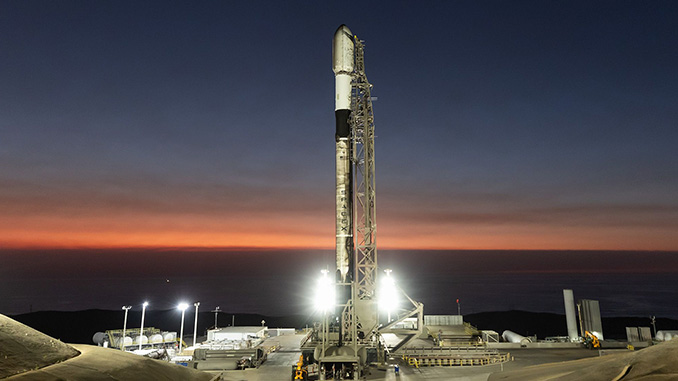
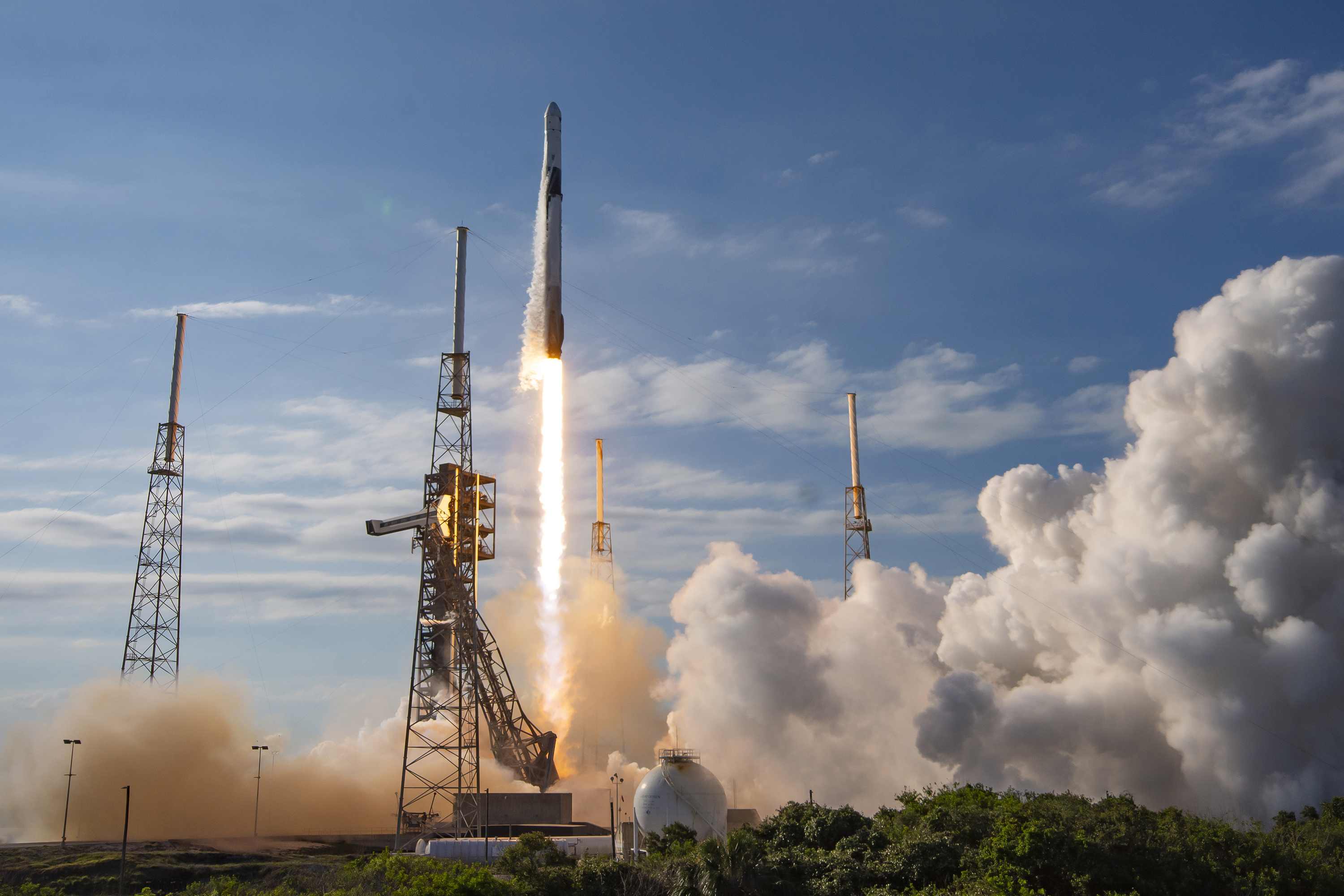
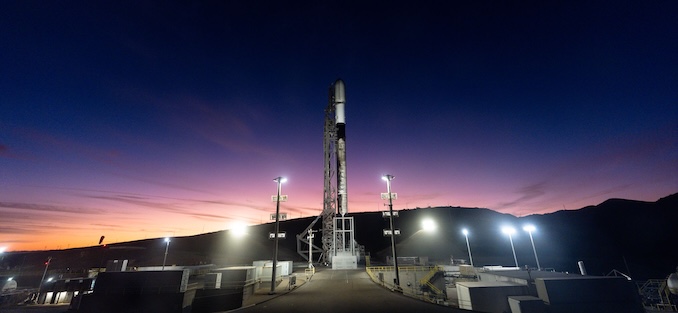
The opening days of May 2026 offered a compressed snapshot of just how central the Falcon 9 has become to global launch traffic. From pad 4E at Vandenberg Space Force Base in California, SpaceX executed two distinct missions within the span of a few days, reinforcing the site's status as one of the busiest orbital departure points on the planet.
The Starlink 17-29 mission placed 24 additional satellites into SpaceX's broadband internet constellation, lifting off at 7:35 p.m. Pacific time — 02:35 UTC on 6 May. It marked the 44th dedicated Starlink flight of 2026 alone, a figure that speaks to an industrial cadence with no real parallel in the commercial launch industry. Each batch nudges the constellation closer to full global coverage, and the regularity of these flights has itself become something of a baseline expectation rather than a headline.
CAS500-2: a rideshare with strategic weight
A few days earlier, in the early hours of 3 May, a far more varied manifest had ridden the same rocket off the same pad. The CAS500-2 mission carried 45 payloads in total, with the centerpiece being South Korea's Compact Advanced Satellite 500, built by Korea Aerospace Industries (KAI). The optical Earth observation spacecraft was the first to separate from the upper stage, roughly an hour after liftoff.
For South Korea, the mission represents a meaningful step in building sovereign imaging capability. The broader regional context — where satellite reconnaissance carries obvious strategic value — has accelerated Seoul's investment in space assets. Choosing a SpaceX rideshare as the delivery mechanism underlines how these grouped missions have evolved into a legitimate and flexible access route for both institutional and commercial operators who cannot justify a dedicated launcher.
A quiet stretch before a busier calendar?
Rounding out the same short window, a Chang Zheng 7 launch from China brought the total to three orbital missions within the period. Industry observers noted the trio as a relatively measured sequence — NASASpaceFlight described it as something of a calm before the storm, though whether a heavier launch schedule follows remains to be seen.
What is not in doubt is SpaceX's commanding position in commercial launch volume. The company's first-stage reusability program continues to push booster turnaround times lower, with each Falcon 9 core typically supporting multiple flights per year. That efficiency underpins the economics of both the Starlink program and the rideshare business, which has opened orbital access to customers — national agencies and startups alike — that would otherwise face years-long wait times.
The broader competitive picture remains in flux. Arianespace is working to establish Ariane 6 as a reliable alternative, ISRO is expanding its launch cadence, and CNSA continues to grow China's independent access to orbit. But for now, the Falcon 9 out of Vandenberg shows no sign of slowing down.