Forty-five payloads and a Korean satellite lead the way
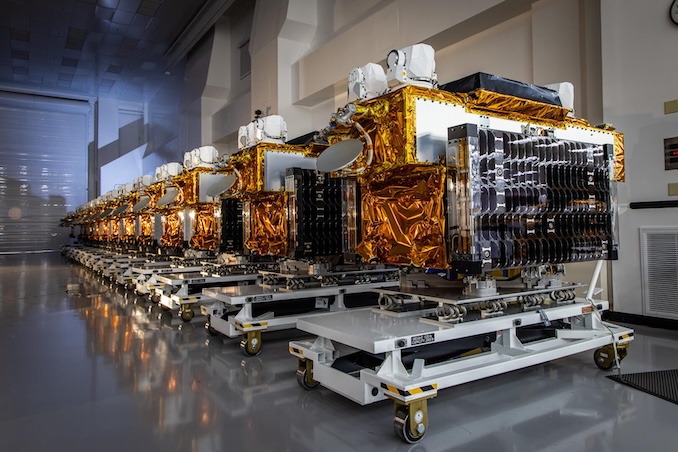
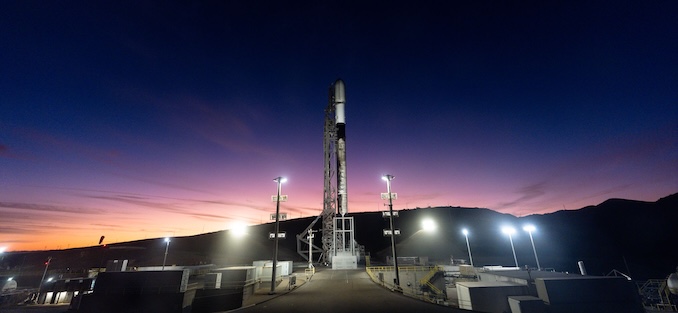
SpaceX opened May 2026 with a densely packed rideshare mission lifting off from pad 4E at Vandenberg Space Force Base shortly before midnight local time. The flight carried 45 separate payloads, the most prominent of which was CAS500-2, a compact Earth observation satellite built by Korea Aerospace Industries. Roughly an hour after liftoff, CAS500-2 became the first spacecraft to separate from the Falcon 9 upper stage, beginning its operational life in low Earth orbit.
The mission underscores how rideshare launches have matured into a reliable commercial offering. For mid-sized operators that cannot fill an entire rocket on their own, SpaceX's shared-ride model provides an affordable path to orbit. South Korea, whose domestic launch capabilities are expanding — most notably through the Nuri rocket program — nonetheless turned to the Falcon 9 to deploy a high-resolution imaging asset on a tight schedule.
Starlink 17-29: flight 44 of the year, and counting
Days later, a second Falcon 9 rolled to the same California pad for a mission that was different in purpose but equally routine in execution. Starlink 17-29 marked the 44th dedicated launch supporting SpaceX's broadband constellation since January 1, 2026 — a rate that works out to well above one mission per week. The rocket carried 24 additional Starlink satellites, each destined to slot into an orbital network that already numbers in the thousands of active units.
Liftoff was scheduled for 7:35 p.m. Pacific time. As with virtually every Falcon 9 mission, SpaceX planned to recover the rocket's first stage on a drone ship waiting in the Pacific Ocean. Booster reusability is the core mechanism that makes this launch frequency economically viable, turning what was once considered an engineering curiosity into a central pillar of the company's business model.
A quiet week — relative to what, exactly?
Observers tracking the global launch manifest described this particular stretch as something of a lull, with only two Falcon 9 flights and a Chinese Chang Zheng 7 rocket filling the worldwide schedule. Compared to peak weeks when orbital traffic is considerably heavier, the label is not entirely wrong. Yet two orbital missions from a single launch site within days of each other — serving both a foreign government customer and the operator's own constellation — reflects a level of industrial throughput that remains unmatched anywhere in the world.
The broader question, as launches become increasingly routine, is where that leaves other launch providers. European, Indian, and Japanese operators are all working to scale their own capabilities, but the gap in raw launch frequency is significant. No single mission closes that gap, but each flight from Vandenberg adds another data point to an already compelling argument about who currently sets the pace in commercial space access.