Four crew members back on solid ground
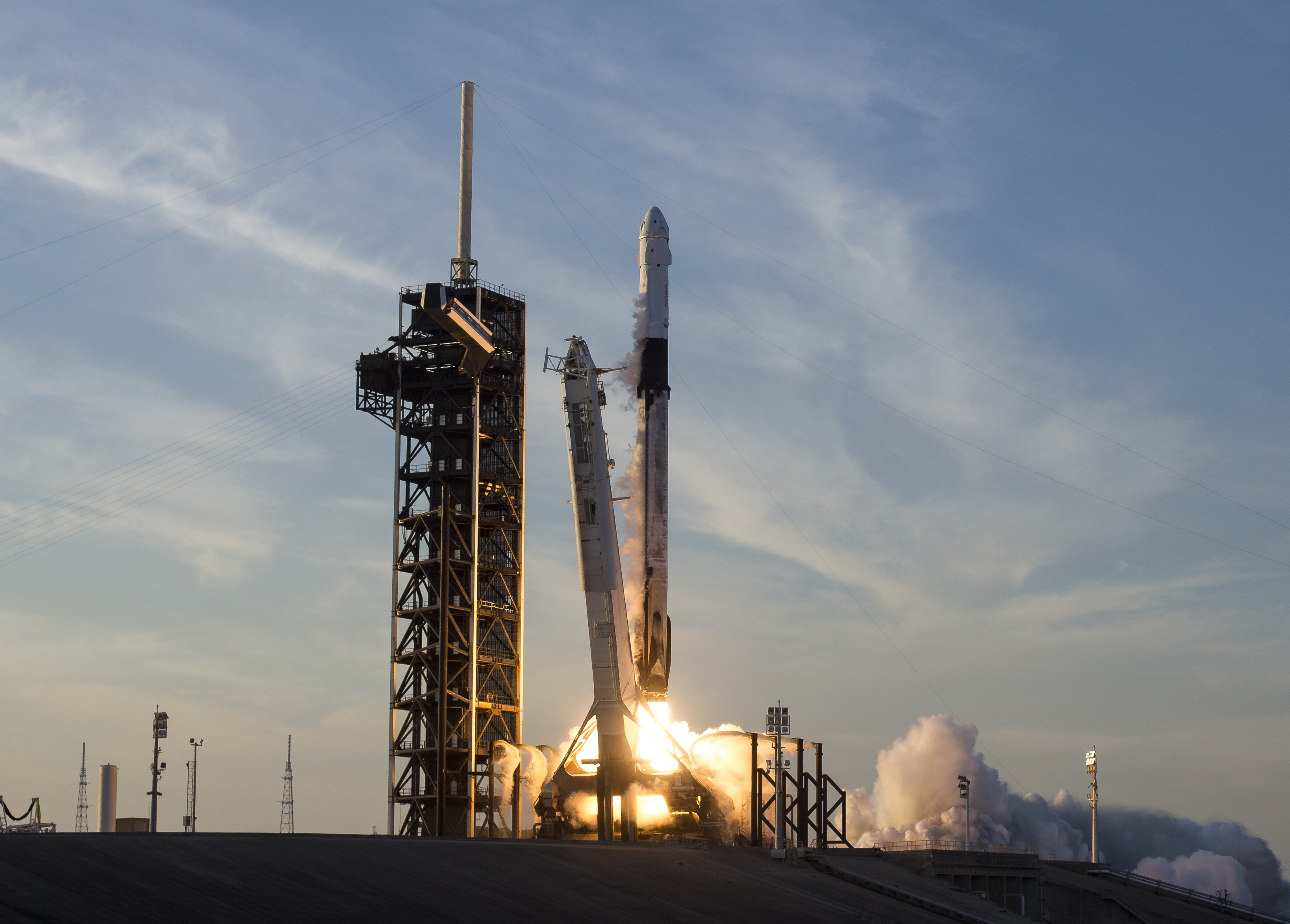
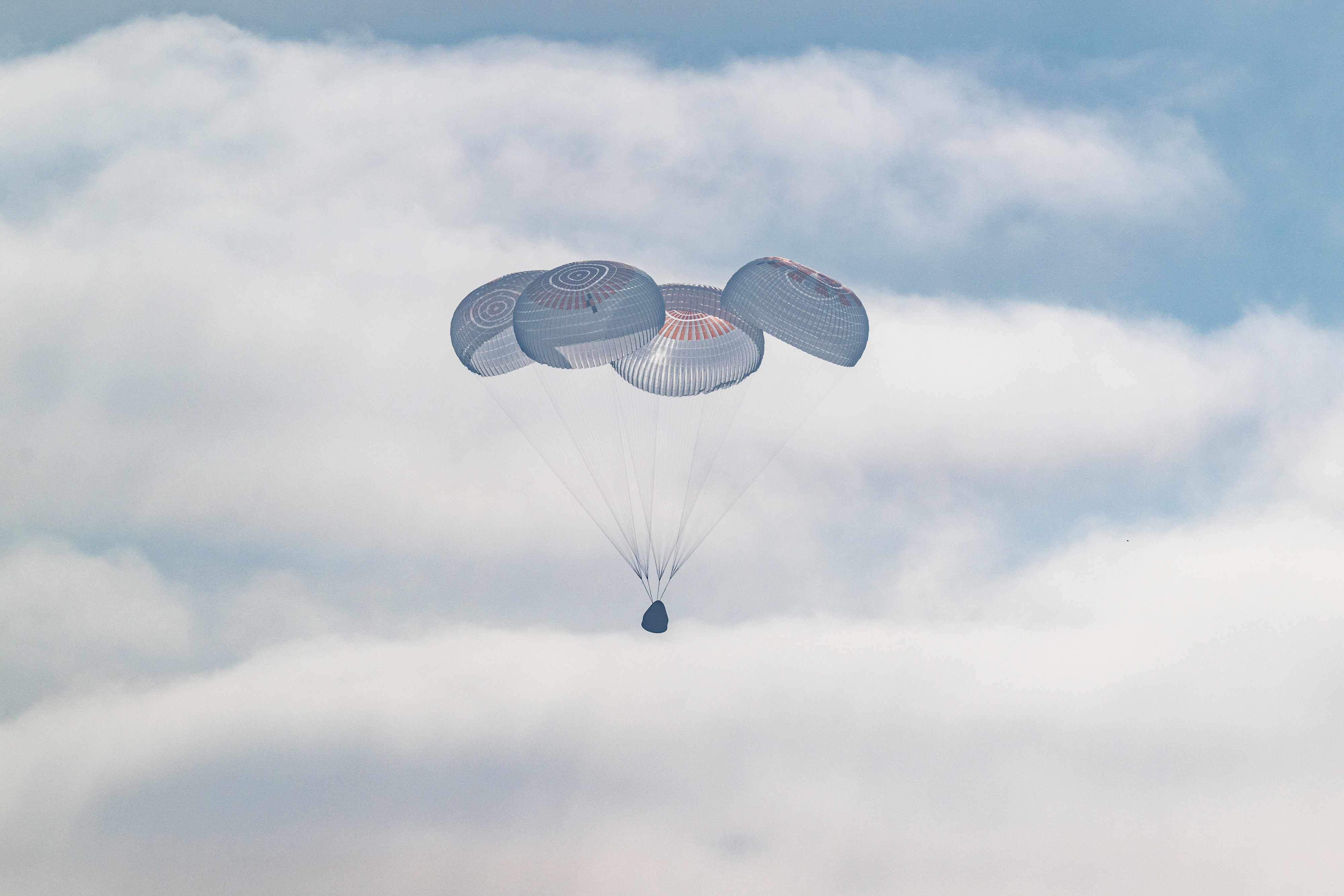
The SpaceX Crew Dragon capsule Freedom touched down in the Pacific Ocean off the California coast on October 8, 2026, bringing the NASA Crew-12 mission to a close. The four-person crew comprised NASA astronauts Jessica Meir and Jack Hathaway, ESA astronaut Sophie Adenot, and Roscosmos cosmonaut Andrey Fedyaev. Recovery teams reached the spacecraft within minutes of splashdown, following the well-rehearsed procedures that have become standard across successive Crew Dragon missions.
The presence of a Russian cosmonaut alongside Western crewmates underscores that human spaceflight cooperation at the International Space Station has endured despite broader geopolitical friction between space agencies. Crew-12 is the latest in a series of operational rotations carried out under NASA's Commercial Crew Program, which has relied on SpaceX to ferry its astronauts to and from the ISS since 2020. The Crew Dragon vehicle has now accumulated a substantial flight record, and this mission adds another data point to its growing operational history.
Ship 42 heads back out for more cryogenic testing
Several time zones to the east, at SpaceX's Starbase facility in Boca Chica, Texas, the Starship development program is progressing at its own pace. Ship 42, the upper-stage vehicle currently being prepared for what SpaceX designates as Flight 15, has returned to the Massey's test site for an additional round of cryo proof testing.
Cryo proof tests involve filling the vehicle's propellant tanks with cryogenic fluids — typically liquid nitrogen as a stand-in for the actual propellants — to evaluate structural integrity under thermal and pressure stresses that approximate real flight conditions. The fact that Ship 42 is undergoing repeated rounds of this procedure indicates that SpaceX engineers are either chasing specific validation targets or addressing findings from earlier test runs. The company has not issued a formal statement explaining the scope or motivation behind the additional testing.
Ship 40, which had previously been involved in testing campaigns at Boca Chica, made its way back to the main production and assembly area. Whether that signals the end of its test cycle or a reconfiguration ahead of a different role remains unclear at this stage.
One company, two very different operational tempos
Taken together, these two developments offer a snapshot of just how broad SpaceX's operational footprint has become. On one side of the ledger sits the now-routine business of ferrying astronauts to the ISS under firm NASA contracts — a commercial service that has matured considerably since its debut. On the other stands the still-experimental Starship program, which SpaceX and NASA are counting on to land humans on the Moon as part of the Artemis initiative, with Mars landings cited as a longer-term objective.
NASA's dual reliance on the same private contractor — for both near-term crew transport and future deep-space ambitions — continues to raise questions about strategic flexibility for the agency. For now, though, October 2026 demonstrates that SpaceX is managing simultaneous workstreams across very different scales of complexity, from proven orbital taxis to the largest rocket ever flight-tested. How quickly Ship 42 clears its remaining hurdles will be one of the more closely watched stories in the weeks ahead.