A record-breaking trip to the station
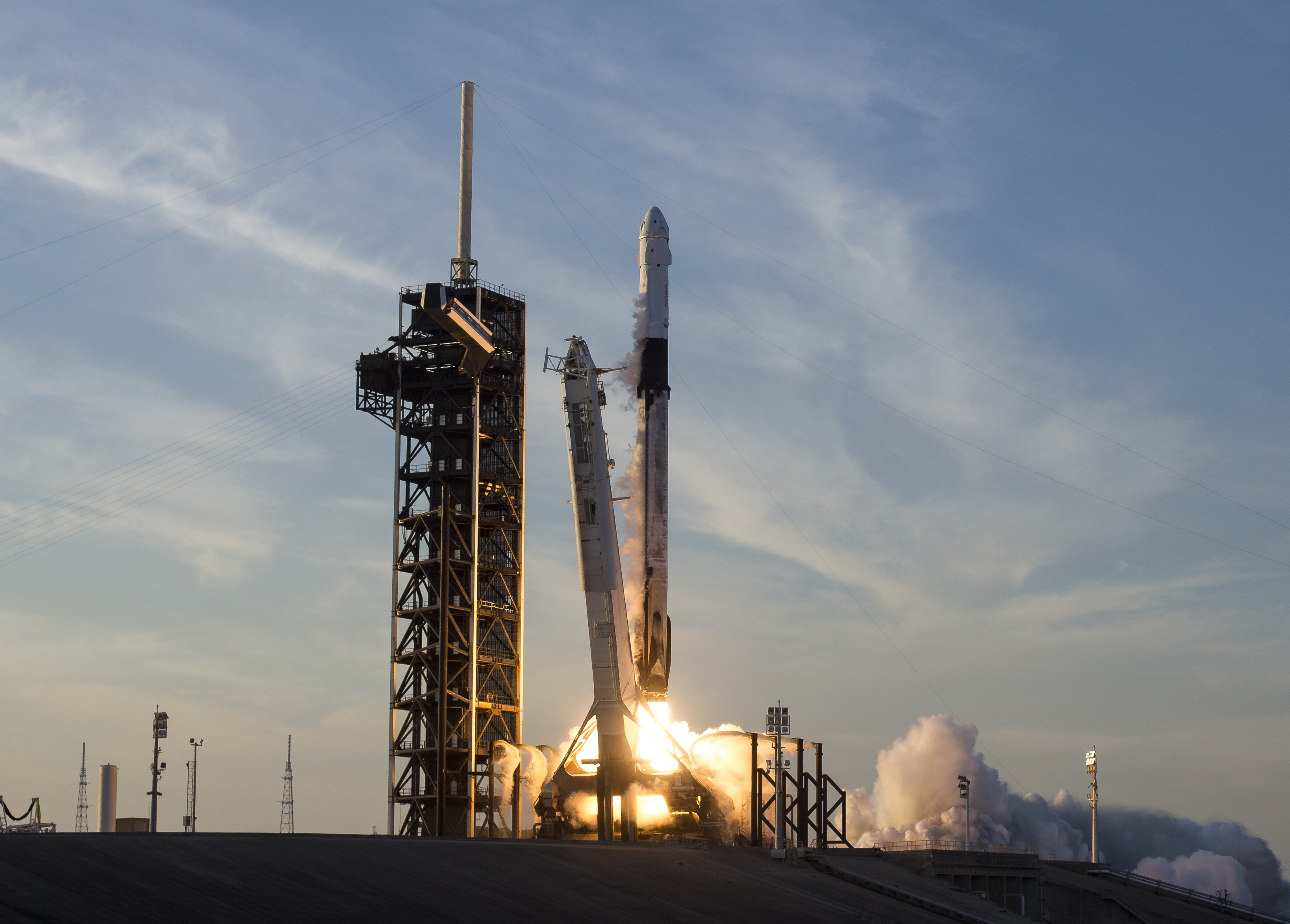
A SpaceX Falcon 9 rocket lifted off from Space Launch Complex 40 at Cape Canaveral Space Force Station, Florida, on October 1, 2026, carrying the Crew-13 Dragon spacecraft toward the International Space Station. On board were NASA astronauts Jessica Watkins and Luke Delaney, CSA (Canadian Space Agency) astronaut Joshua Kutryk, and Roscosmos cosmonaut Sergey Teteryatnikov.
The mission made headlines for more than its crew composition: the Dragon docked with the ISS roughly eight hours after launch, the fastest point-to-point journey ever completed by an operational Crew Dragon. This accelerated rendezvous profile was made possible by a particularly favorable orbital geometry at the time of launch — a window that SpaceX and NASA teams had identified and planned around with precision.
Crew-12 closes out a productive research increment
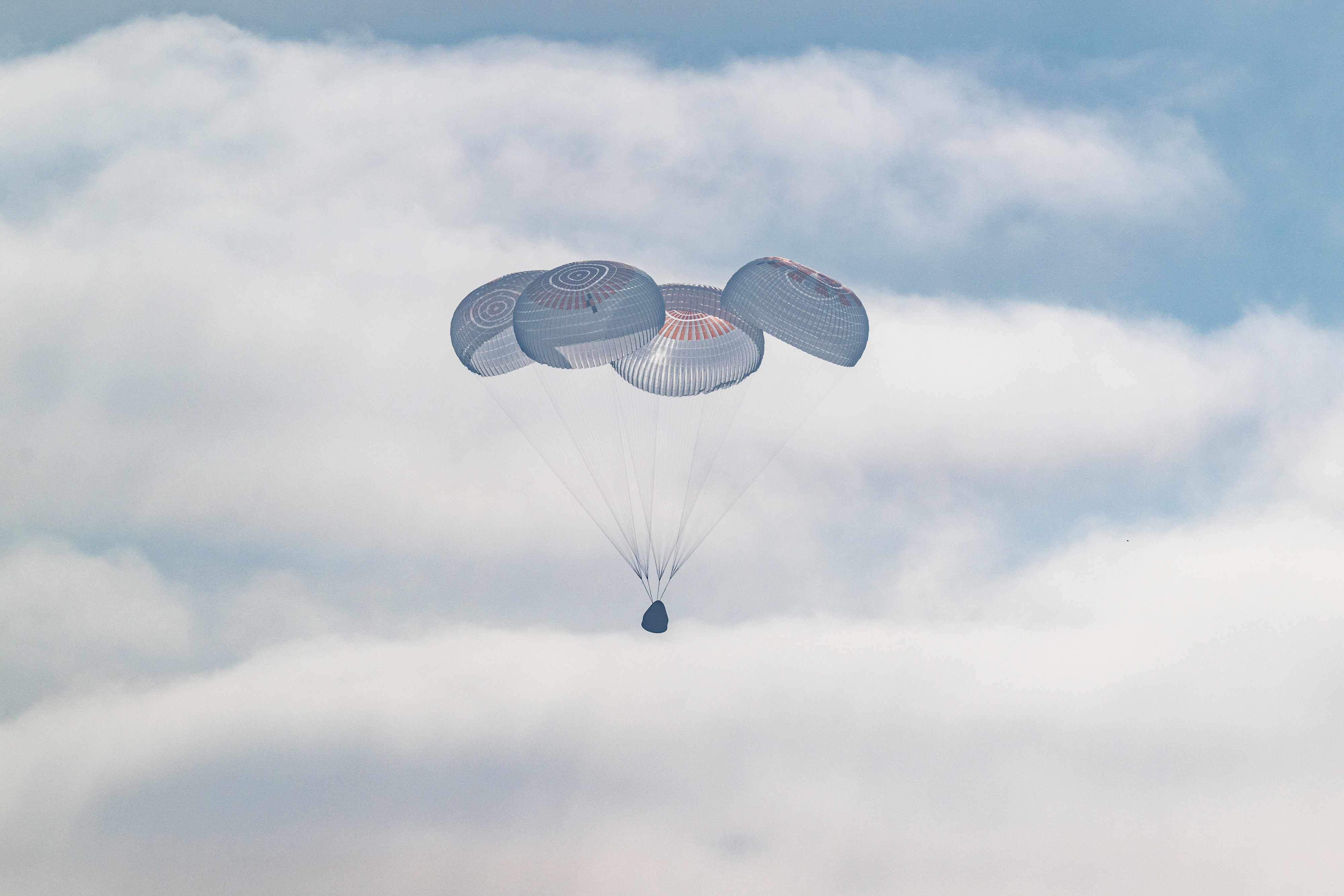
The arrival of the new crew set the clock running for their predecessors. Crew-12 — comprised of NASA astronauts Jessica Meir and Jack Hathaway, ESA (European Space Agency) astronaut Sophie Adenot, and Roscosmos cosmonaut Andrey Fedyaev — is expected to undock and return to Earth in early October 2026, according to NASA.
During their stay aboard the orbiting laboratory, the Crew-12 members supported a broad research program with dual goals: delivering near-term benefits for life on Earth, and building the scientific foundation needed for future human exploration missions. Their work spanned cell biology in microgravity, materials science, and human physiology studies — data that agencies including NASA and ESA will draw on as they refine plans for sustained lunar presence and eventual crewed missions to Mars.
A handover designed for continuity
The brief overlap between Crew-12 and Crew-13 aboard the station is a deliberate feature of NASA's Commercial Crew scheduling. Direct crew-to-crew handovers reduce the risk of losing operational context, allowing incoming crews to inherit ongoing experiments with minimal disruption. This model, refined over more than a decade of partnership between NASA and SpaceX, has made crew rotation a reliable, almost routine operation.
With Crew-13 now settled in, the ISS moves into its next research chapter. The four newly arrived crew members will need to get up to speed quickly, maintaining the continuity of active experiments while preparing to initiate new investigations of their own. Details about Crew-13's specific science agenda are expected to emerge in the days following the departure of Crew-12 — a departure that will itself mark the end of another chapter in the station's ongoing story.