One rocket, two government clients
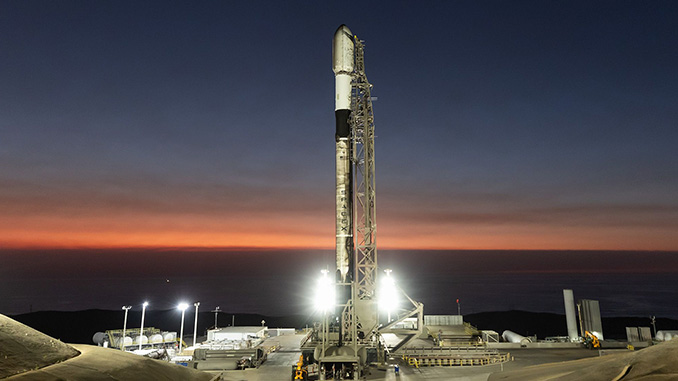
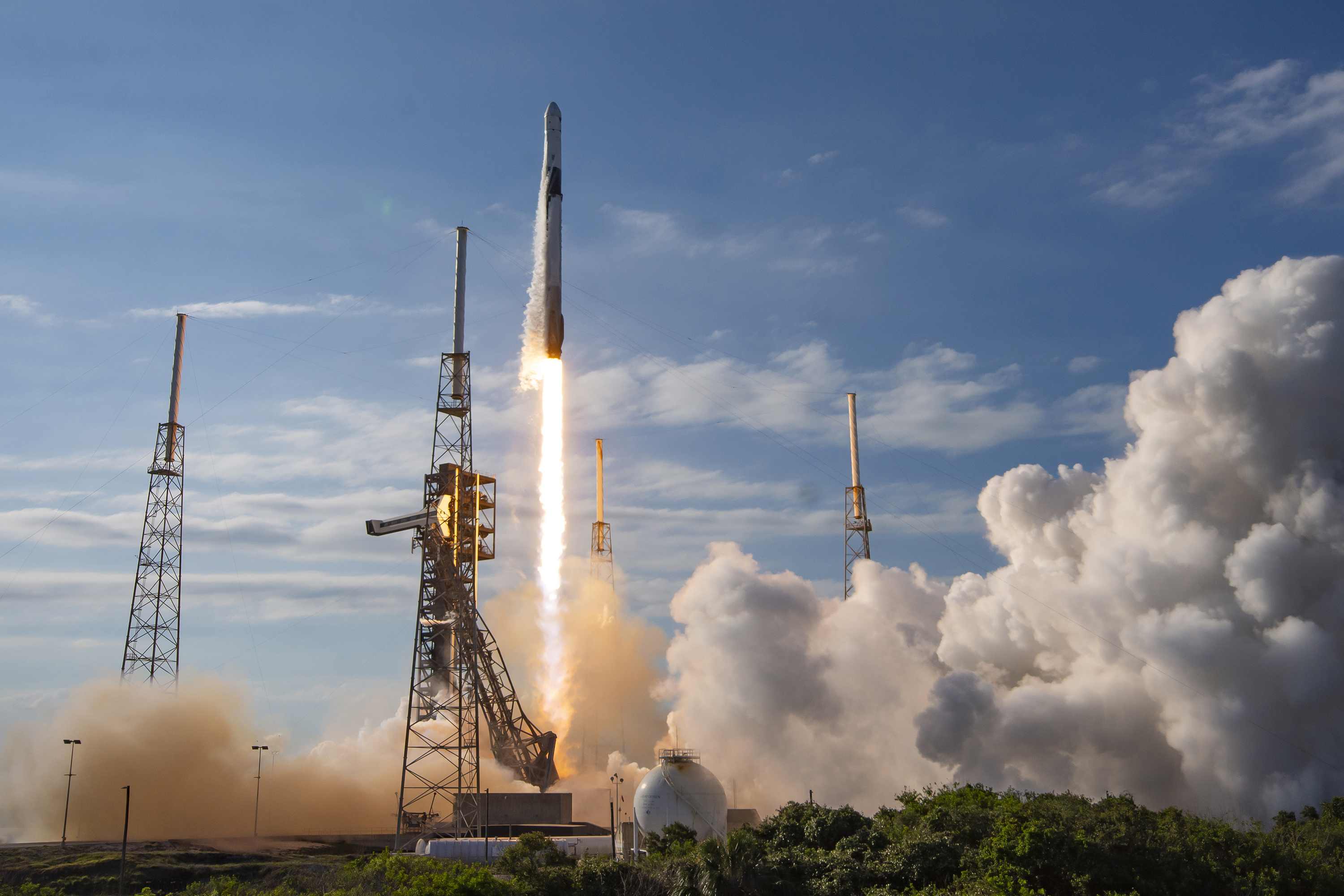
September 2026 has offered a telling snapshot of the current U.S. launch landscape. On September 15, a Falcon 9 lifted off from Space Launch Complex 4E at Vandenberg Space Force Base at 10:18 p.m. EDT, carrying an undisclosed number of satellites for a national security mission. Just days later, NASA announced media accreditation for CRS-35, the 35th SpaceX commercial resupply mission to the International Space Station, targeting no earlier than October for liftoff.
Together, these two assignments capture the full scope of SpaceX's footprint in government space operations — from orbital logistics to classified defense payloads. The Falcon 9, once celebrated as a commercial disruptor, has quietly become an essential piece of federal infrastructure.
CRS-35: keeping the ISS running through 2030
The Dragon spacecraft slated for CRS-35 will deliver a cargo manifest that typically includes scientific hardware, crew supplies, and maintenance equipment. NASA has not yet published the specific list of research investigations for this flight, though each resupply rotation plays a direct role in sustaining the continuous human presence aboard the station, which is now officially planned to operate through 2030.
CRS-35 falls under SpaceX's second-generation commercial resupply services contract, awarded in 2016 and covering a guaranteed minimum of six missions. The mission reflects a mature, institutionalized partnership between NASA and the private sector — one that was anything but certain when the original Commercial Orbital Transportation Services program launched nearly two decades ago.
Vandenberg and the classified payload: the quiet side of the manifest
The Vandenberg launch drew comparatively little public attention, which is by design. The Space Force has not disclosed the number, type, or intended orbit of the satellites carried aboard that particular Falcon 9. Standard practice for missions managed through Space Systems Command or associated intelligence agencies involves minimal public disclosure, particularly when capabilities or orbital parameters could carry operational sensitivity.
Vandenberg's geographic position along the California coast makes it the preferred departure point for polar and sun-synchronous orbits, which are well-suited to reconnaissance and Earth observation applications. The Space Force has been steadily expanding its reliance on commercial launch providers as it works to build more resilient and redundant satellite architectures in response to growing threats in the orbital environment.
SpaceX did not provide additional details about the mission's payload at the time of publication.
Concentration of capability: a question worth asking
The pace at which SpaceX is cycling through government contracts raises a legitimate policy question: how much single-point dependency is acceptable, even with a proven and reliable vehicle? United Launch Alliance continues to compete on sensitive national security missions with its Vulcan Centaur rocket, and Rocket Lab is developing the larger Neutron launcher with medium-lift government contracts in mind. But as of today, no other U.S. provider matches the Falcon 9's cadence or cost profile.
Whether that balance shifts in the coming years will depend as much on political will as on engineering timelines. For now, CRS-35 represents the next visible milestone — a straightforward resupply run that nonetheless keeps a critical international outpost operational through another season in orbit.