A Russian freighter bound for the station
On Wednesday, September 9, 2026, at 12:15 p.m. EDT — 9:15 p.m. local time at Baikonur Cosmodrome — a Soyuz rocket is scheduled to lift off carrying the unpiloted Progress 96 resupply spacecraft. The cargo manifest includes approximately three metric tons of provisions: food, drinking water, propellant, and technical equipment for the crew currently living aboard the International Space Station. NASA will broadcast the launch and docking live, underscoring the operational continuity that Washington and Moscow have maintained on the ISS program despite a broader geopolitical backdrop that remains strained.
The Progress vehicle, an uncrewed derivative of the Soyuz capsule with a heritage stretching back to the late 1970s, is designed to execute a fast-rendezvous profile. Under nominal conditions, it can dock with the station within a few orbits of launch — a matter of hours — sparing the crew a prolonged wait. Docking is expected at the Russian-segment Zvezda module's nadir port.
Five orbital launches on the weekly manifest
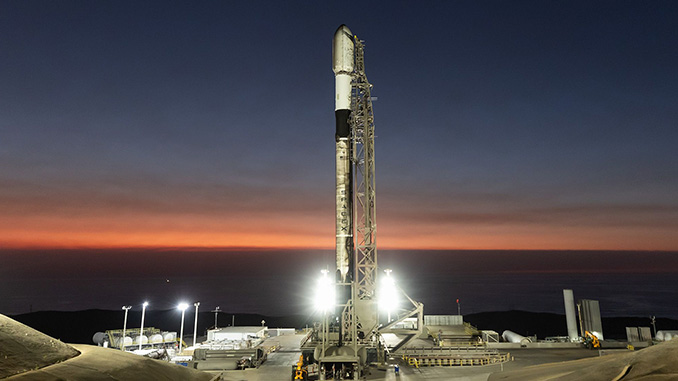
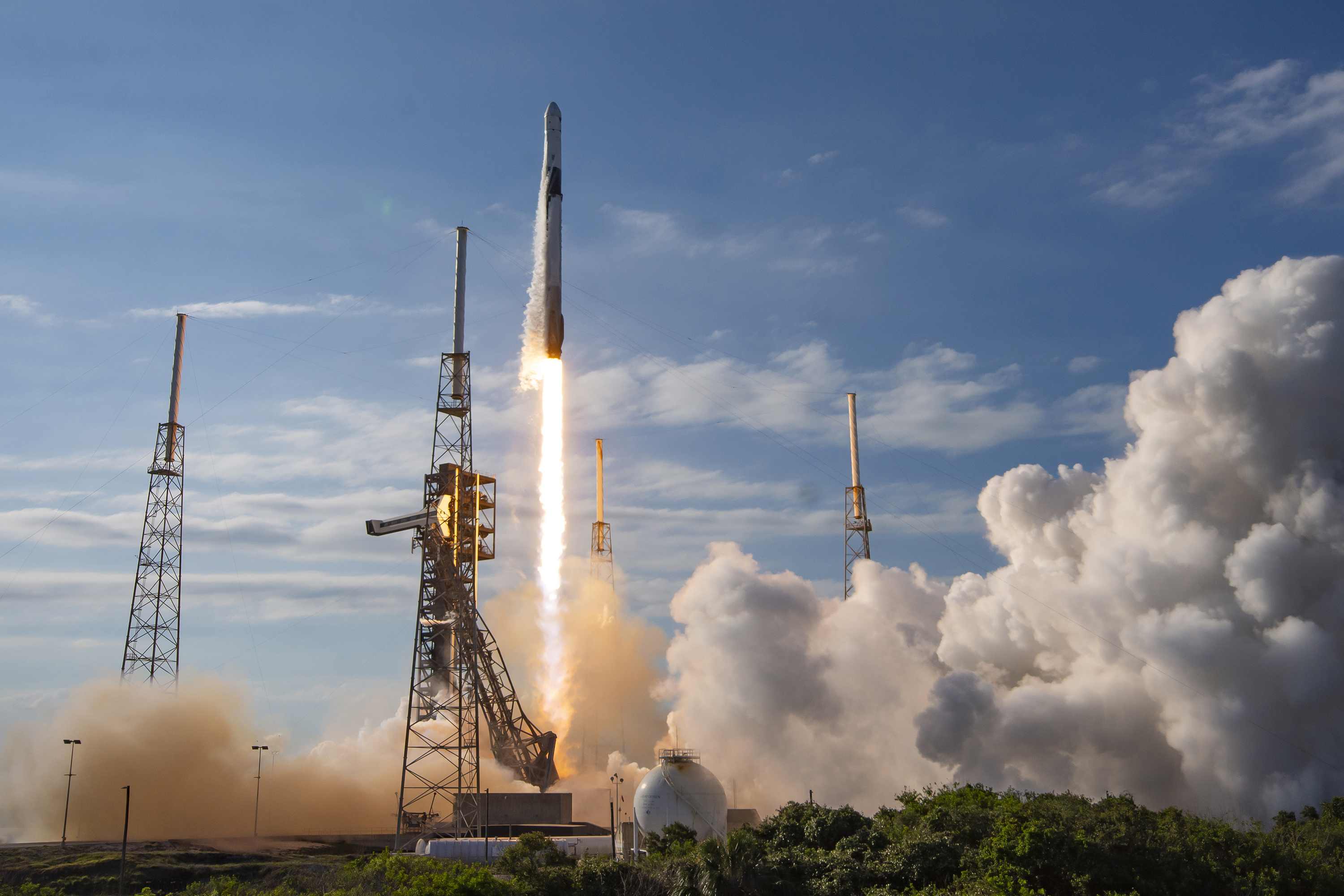
Progress 96's flight is far from the only activity on the pad this week. Launch trackers flagged as many as five orbital attempts scheduled during the period starting September 7, spanning multiple continents and operators. SpaceX is planning two Falcon 9 missions, though the exact payloads and precise launch windows for both had not been officially locked in at the time of writing.
China is also active: the CZ-8A rocket, an upgraded variant of CNSA's medium-lift Long March 8 family, is expected to fly this week. Designed to bring down per-kilogram costs to low Earth and sun-synchronous orbits, the CZ-8A has been steadily increasing its launch cadence as China builds out its commercial and institutional manifest. Mission-specific details were not publicly confirmed ahead of this article's publication.
The ISS supply chain keeps orbital operations alive
Beneath the seemingly routine nature of cargo runs lies a genuinely complex multinational logistics operation. Progress 96 is set to be the third dedicated resupply flight to reach the station in 2026. On the American side, SpaceX operates Cargo Dragon missions under NASA contract, while Northrop Grumman's Cygnus spacecraft adds another layer of supply redundancy. Roscosmos maintains its own cadence with the Progress series, as it has for decades.
This week's cluster of launches is a reminder that low Earth orbit has become a permanently trafficked corridor, shared by government agencies and private operators alike. With the ISS retirement window closing in around 2030, and commercial successors such as Axiom Station and Starlab still in development, sustaining that supply chain — and eventually redirecting it — will be one of the defining logistical challenges of the coming decade in human spaceflight.