USSF-385: A Classified Payload Heads West Coast
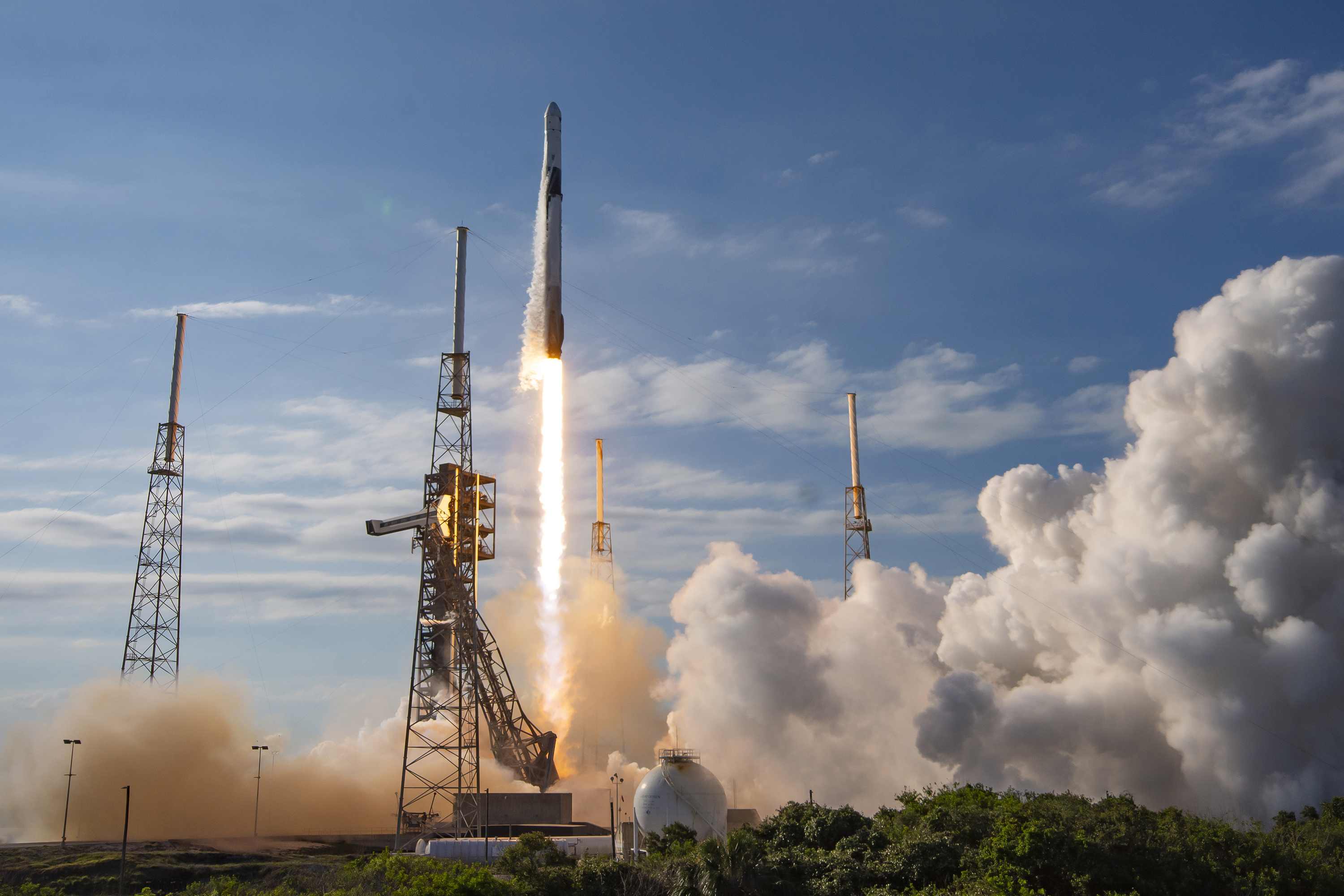
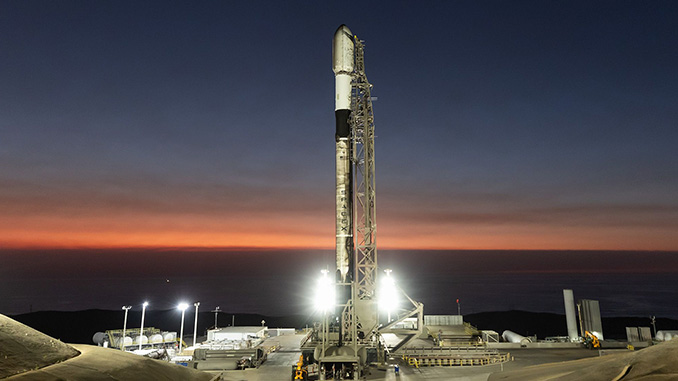
The U.S. Space Force is set to place another undisclosed payload into orbit aboard a SpaceX Falcon 9 rocket lifting off from the California coast. The mission, designated USSF-385, is scheduled to launch at 5:56 a.m. Pacific Daylight Time — 12:56 UTC — at the opening of a three-hour window. That extended window reflects standard practice for government launches, which require operational flexibility to account for range safety and orbital insertion requirements.
As is customary for Space Force contracts, the nature of the satellite has not been made public. The military routinely withholds details about the capabilities, intended orbit, and purpose of assets tied to defense or intelligence programs. What is known is that SpaceX has cemented itself as the go-to provider for these classified government missions, with Falcon 9's track record and sustained launch cadence proving difficult for competitors to match.
USSF-385 is one of many missions under a broad and growing contractual relationship between SpaceX and the Department of Defense — a partnership that has made the Hawthorne-based company central to how the United States projects power and maintains situational awareness in orbit.
Crew-14: Three Agencies, One Destination
A day before the USSF-385 launch announcement, NASA officially named the crew for SpaceX Crew-14, targeting no earlier than spring 2027 for liftoff. The mission will send four astronauts representing three different space agencies to the International Space Station for a long-duration science expedition.
NASA astronaut Kayla Barron will serve as spacecraft commander, with fellow NASA astronaut Chris Birch taking the pilot seat. Joining them will be Makoto Suwa from JAXA, the Japan Aerospace Exploration Agency, and a cosmonaut from Roscosmos, Russia's state space corporation. The inclusion of a Russian cosmonaut is notable: it signals that operational cooperation aboard the ISS continues despite the broader geopolitical strains that have strained U.S.-Russia relations in recent years.
Crew-14 is part of NASA's Commercial Crew Program, which has relied on SpaceX to ferry astronauts to and from the station since 2020. These rotating expedition crews typically spend around six months aboard the ISS, conducting scientific experiments that range from materials science and biology to Earth observation and human physiology research in microgravity.
One Company, Two Missions — A Familiar Concentration
Taken individually, each of these announcements tells a straightforward story. Together, they reinforce a structural reality of contemporary American spaceflight: SpaceX's Falcon 9 is the backbone of U.S. orbital access, serving military, civilian, and international clients with a cadence no other currently operational launcher comes close to matching.
That concentration carries inherent risk. A grounding event — similar to what followed a Falcon 9 anomaly in 2016 — would ripple across government and commercial programs simultaneously. Neither NASA nor the Space Force has publicly articulated a near-term strategy to reduce that dependency, largely because no domestic alternative offers a comparable combination of cost, reliability, and flight rate. Until that changes, the Falcon 9 remains the thread that ties much of American spaceflight together.