Back on the pad after a difficult winter
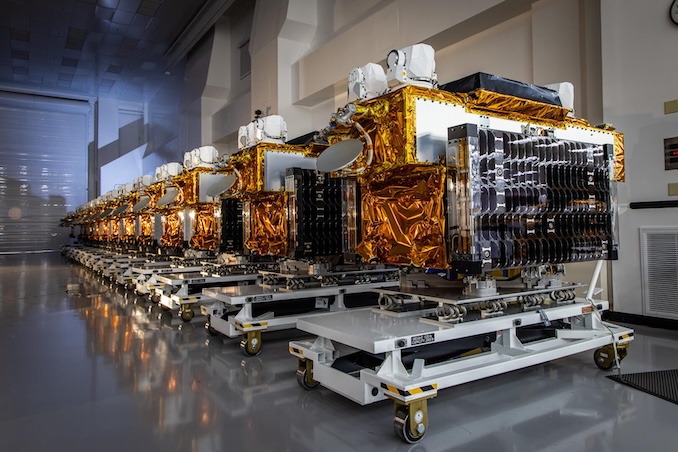
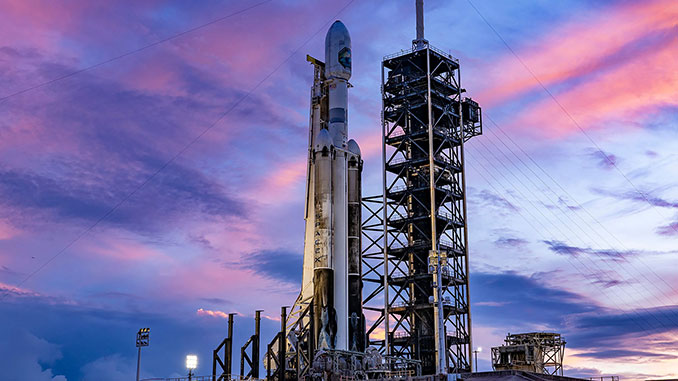
Japan's H3 rocket returned to flight on June 11, 2026, lifting off from the Tanegashima Space Center and successfully placing six smallsats into orbit. The mission came roughly six months after a failure in December 2025 had grounded the vehicle and renewed questions about the programme's reliability. For JAXA and prime contractor Mitsubishi Heavy Industries, the successful orbital insertion was a clear signal that the root causes of the previous anomaly had been identified and addressed.
Full details on the payloads — including their operators and intended orbits — had not been entirely disclosed at the time of writing, but JAXA confirmed the satellites separated as planned following the main engine cutoff sequence.
A structural first: the stripped-down variant takes flight
Beyond the return-to-flight achievement, this mission carried an additional significance: it marked the first operational use of H3's lightest configuration. The new-generation launcher was designed from the outset with modularity in mind, allowing operators to tailor the vehicle's lift capacity by varying the number of LE-9 main engines and the addition — or omission — of solid rocket boosters.
The configuration flown on June 11 eschews strap-on boosters entirely, targeting smaller payload classes and offering a more cost-efficient option for commercial smallsat operators. This flexibility is central to JAXA's commercial pitch as it seeks to compete with established players such as SpaceX's Falcon 9 and Rocket Lab's dedicated small-lift solutions. By covering a broader range of missions from a single vehicle family, H3 is intended to give Japan a sustainable foothold across multiple market segments.
What's at stake for Japan's launch ambitions
The December 2025 failure dealt a notable blow to H3's commercial momentum at a sensitive time. The vehicle was developed specifically to replace the aging H-IIA, a dependable but expensive rocket that had grown increasingly uncompetitive against newer launchers designed with cost reduction as a primary driver. H3 was engineered to cut per-launch costs substantially while also enabling a higher flight cadence.
The programme had already survived an earlier setback: the inaugural launch in March 2023 ended in failure, before a successful mission in February 2024 appeared to put the vehicle on solid footing. The December 2025 anomaly disrupted that trajectory once more, making this June success all the more consequential for stakeholder confidence.
To translate technical success into commercial traction, JAXA and Mitsubishi Heavy Industries will need to demonstrate consistent and frequent operations. A reliable launch cadence is the metric that institutional and commercial customers watch most closely when evaluating whether to commit a payload to a relatively new rocket. The agency has not yet published a detailed manifest for upcoming H3 flights.