Same pad, two very different payloads
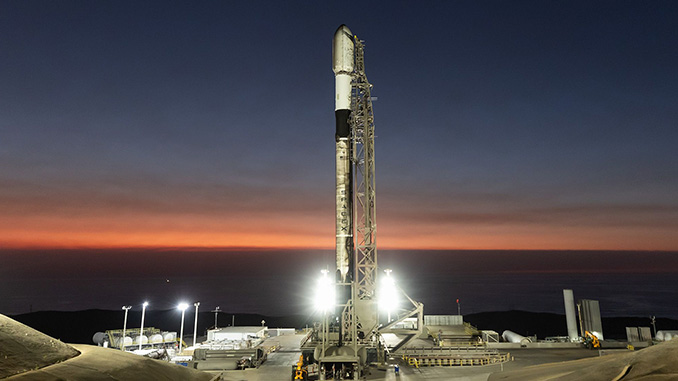
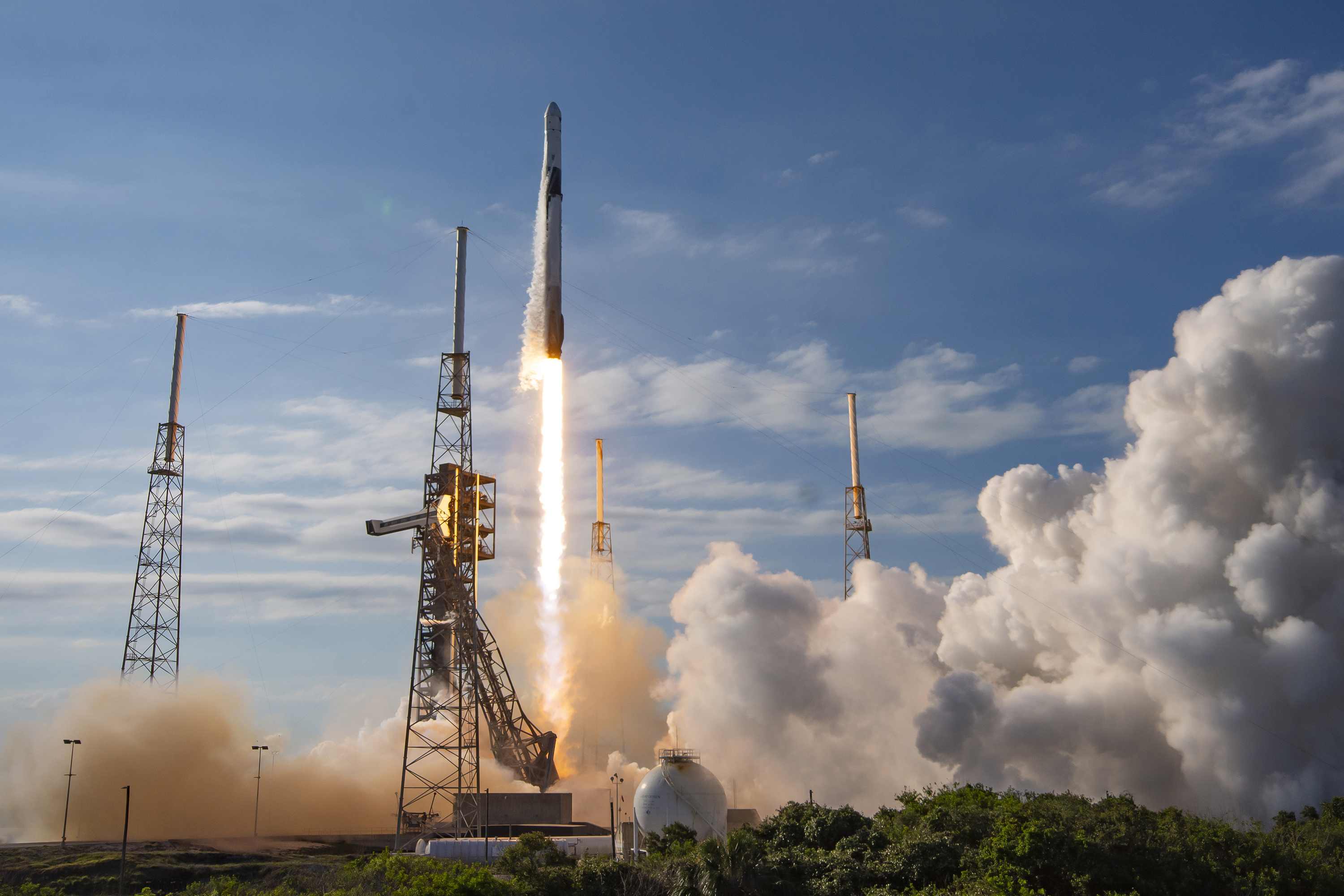
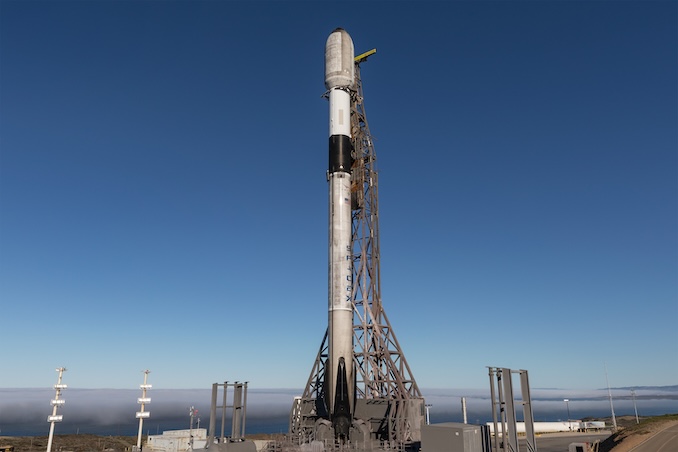
Launch Complex 4E at Vandenberg Space Force Base rarely sits idle these days. In the early hours of Friday, June 19, a Falcon 9 lifted off at 1:40 a.m. local time carrying an undisclosed number of satellites for the National Reconnaissance Office, the U.S. government agency responsible for intelligence-gathering from orbit. Industry observers widely believe the payload consisted of Starshield satellites — a government-oriented variant of Starlink developed specifically for national security applications. SpaceX has not officially confirmed that characterization.
Less than two days later, the same launch complex sent another Falcon 9 skyward. The Starlink 17-28 mission, scheduled to lift off at 8:12:16 a.m. PDT on June 20, carried 24 more satellites destined for SpaceX's commercial low Earth orbit constellation. It marked the 58th dedicated Starlink mission to that orbital regime — a figure that underscores just how relentlessly the network has grown.
Starshield and the militarization of constellation architecture
The NRO flight deserves closer scrutiny. Starshield adapts the fundamental building blocks of Starlink — compact, mass-produced satellites operating in large constellations — and tailors them for sensitive government work. That includes encrypted communications, data relay, and potentially persistent Earth observation for intelligence purposes. The financial terms of SpaceX's contracts with the NRO remain largely classified, which is standard practice for this kind of arrangement.
What is becoming increasingly visible, however, is the structural role SpaceX now plays across multiple layers of U.S. national security. The company simultaneously operates the world's largest commercial broadband constellation and serves as a preferred launch and systems provider for some of the most secretive branches of the federal government. That dual identity is no accident — it reflects a deliberate convergence of commercial capability and government need that has been building for years.
The logistics behind a relentless cadence
Seen individually, neither mission is extraordinary by SpaceX's own standards. But viewed together, they illustrate the operational tempo the company has achieved. The reusability of Falcon 9's first stage is the core enabler: boosters are recovered at sea, refurbished, and returned to flight within weeks. Ground crews at Vandenberg manage payload integration, system checks, airspace coordination with both civil and military authorities, and range safety clearances — all in rapid succession.
Executing two launches from the same pad within 48 hours, for two entirely different customers with entirely different security profiles, is an industrial achievement that no other launch provider — whether Arianespace, Rocket Lab, ISRO, or Roscosmos — can currently match at this scale.
As government constellations multiply and commercial ones keep expanding, the line between private enterprise and state interest in orbit will only grow harder to draw. Whether that blurring ultimately serves the public good remains an open question — and one that the space industry cannot afford to ignore.