A reentry demonstrator shrouded in silence
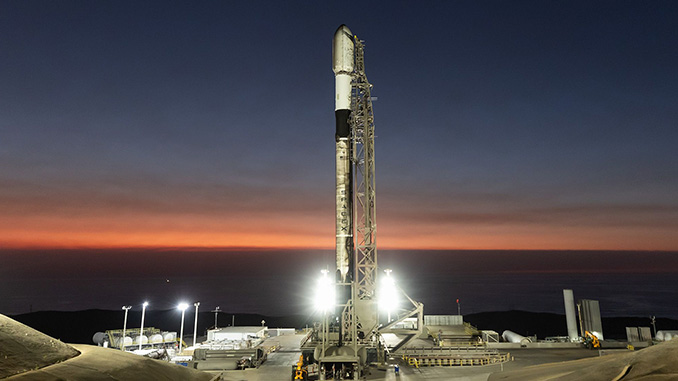
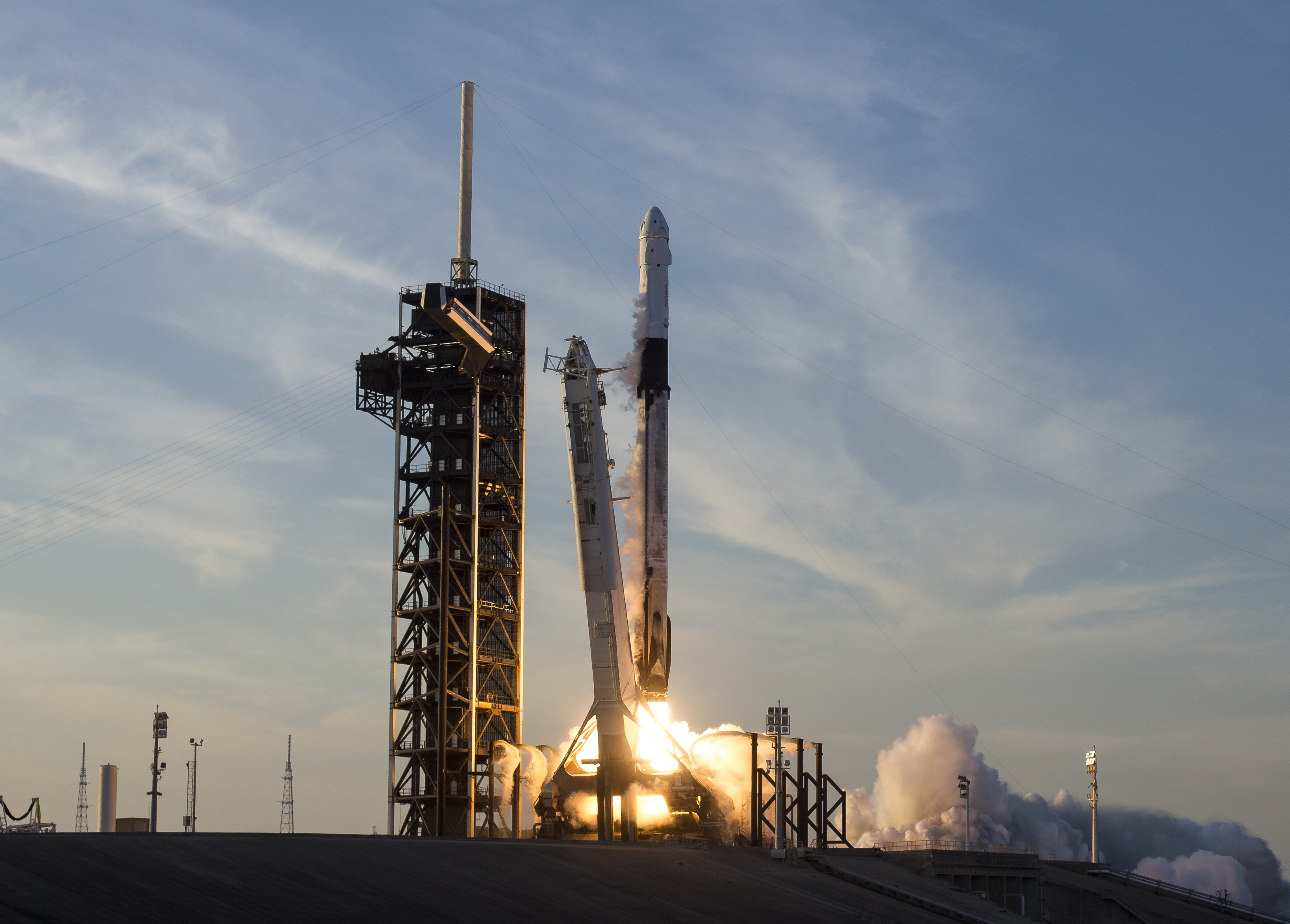
On June 23, 2026, a SpaceX Falcon 9 rocket lifted off carrying Starfall, a reentry capsule whose purpose, payload, and customer — if any exists beyond SpaceX itself — remain undisclosed. The company confirmed the mission took place and succeeded, but stopped well short of explaining what the vehicle actually carried, what orbit it targeted, or what recovery profile it followed. For a company that routinely streams its commercial launches live, the near-total silence around Starfall stands out.
The level of secrecy is more reminiscent of classified government payloads than of SpaceX's usual commercial transparency. Whether Starfall is a purely internal technology demonstrator, a contracted program for a U.S. government agency, or the early stage of a commercial service aimed at an undisclosed market remains an open question. No official source has provided clarifying details as of publication.
From a technical standpoint, a vehicle described as a reentry demonstration capsule would typically be used to validate heat shield materials, descent trajectories, or recovery systems — foundational work for applications ranging from scientific sample return to orbital cargo delivery or crewed transport. The word « demo » implies this was a first qualifying flight, with additional tests likely to follow.
A crowded week in orbit, from California to China
The Starfall launch was one of six orbital missions attempted globally in the days surrounding June 23, 2026 — a reminder that the pace of space activity continues to accelerate across multiple programs and nations.
Among the week's other highlights was a flight of the Pegasus XL, the air-launched rocket operated by Northrop Grumman. Unlike conventional rockets that lift off from fixed ground pads, the Pegasus XL is released from a carrier aircraft at altitude before igniting its solid-fuel stages. Flights of the Pegasus XL have become infrequent in recent years, making each one a relatively rare entry in the global launch manifest.
Chinese missions also featured prominently in the week's schedule, reflecting the sustained launch tempo maintained by both the CNSA and China's growing commercial space sector. By annual launch count, China has consistently ranked alongside SpaceX as one of the world's most active operators, a position it shows no sign of relinquishing.
Atmospheric reentry: the next competitive frontier
SpaceX's reticence around Starfall fits into a broader industrial pattern. Mastery of the full orbital loop — launch, on-orbit operations, and controlled return — represents a significant competitive edge for any operator seeking to offer end-to-end transportation services. Rocket Lab has pursued similar capabilities with its sample return capsule; various government programs have long operated in this space under classification.
Should Starfall prove out its systems over successive test flights, SpaceX would add another tool to an already extensive portfolio — one potentially applicable to cargo return from the International Space Station, rapid delivery from orbit, or future commercial applications not yet publicly discussed.
Until SpaceX or any associated customer chooses to speak more openly, the true scope of the Starfall program remains a matter of informed speculation. Future test flights, if announced at all, may eventually shed light on what the company is actually building toward.