A $1.77 Trillion Opening Bell
On June 12, 2026, SpaceX officially became a publicly traded company, listing its shares on the Nasdaq exchange under the ticker SPCX. Trading opened with a staggering implied valuation of $1.77 trillion, immediately ranking the Hawthorne-based company among the most valuable publicly listed corporations on the planet. For years, founder Elon Musk resisted the pressure to take SpaceX public, arguing that the long-term nature of the company's ambitions — developing the infrastructure for interplanetary human settlement — was fundamentally incompatible with the short-term demands of quarterly earnings cycles. The decision to list marks a clear strategic shift.
For retail investors, the IPO represents the first opportunity to hold a direct stake in a company that has arguably done more to reshape the commercial launch industry than any other single actor over the past two decades.
Back-to-Back Falcon 9 Missions Frame the Moment
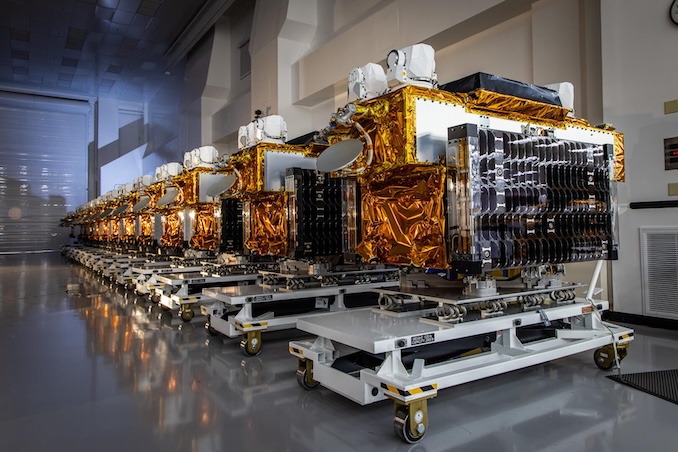
The timing of SpaceX's launch schedule around the IPO was difficult to overlook. On June 11 — one day before the Nasdaq debut — a Falcon 9 lifted off from pad 4E at Vandenberg Space Force Base in California, with liftoff set for 8:05 a.m. Pacific time. The rocket carried 24 Starlink satellites to low Earth orbit, with the booster programmed to execute an autonomous landing following stage separation, as is now standard practice for the fleet.
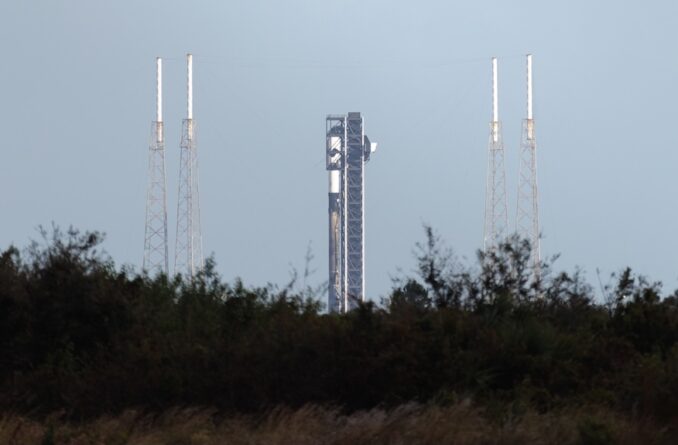
The following morning, as the opening bell approached on Wall Street, a second Falcon 9 was counting down at pad 40 on Cape Canaveral Space Force Station in Florida, targeting an 8:37 a.m. Eastern liftoff. This mission was described as the final dedicated Starlink deployment flight of the constellation's initial build-out phase — a milestone that brings to a close one of the most intensive launch campaigns in the history of orbital spaceflight.
Starlink: The Revenue Engine Behind the Ambition
The Starlink constellation now comprises thousands of satellites in low Earth orbit, delivering broadband internet access across much of the world's surface. It is precisely the subscription revenues generated by that network that made a credible IPO possible: without Starlink's recurring cash flow, SpaceX would lack the financial profile required to satisfy public market investors while simultaneously bankrolling the ongoing development of Starship, the next-generation heavy-lift vehicle still working through its flight qualification program.
Whether the choreography of these two launches alongside the stock market debut was deliberate or coincidental, it underscores how effectively SpaceX manages its public narrative alongside its technical operations. The more substantive question going forward is whether the disclosure obligations and scrutiny that come with public trading will begin to erode the culture of operational opacity that has defined the company since its earliest days. That tension, more than any single launch, may prove to be the real story of this week.