Thirty-five flights, one booster
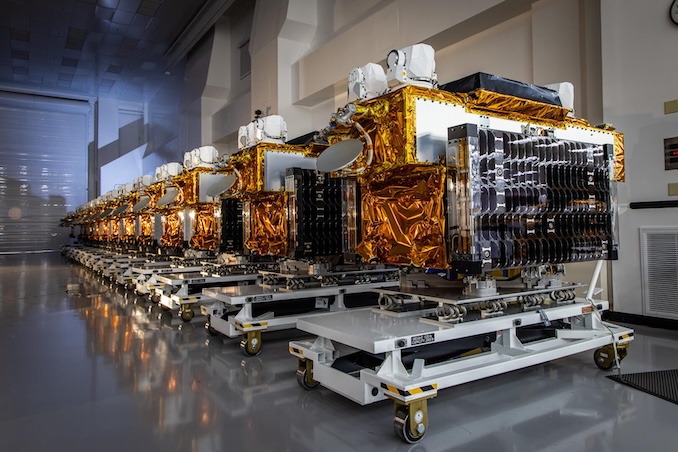
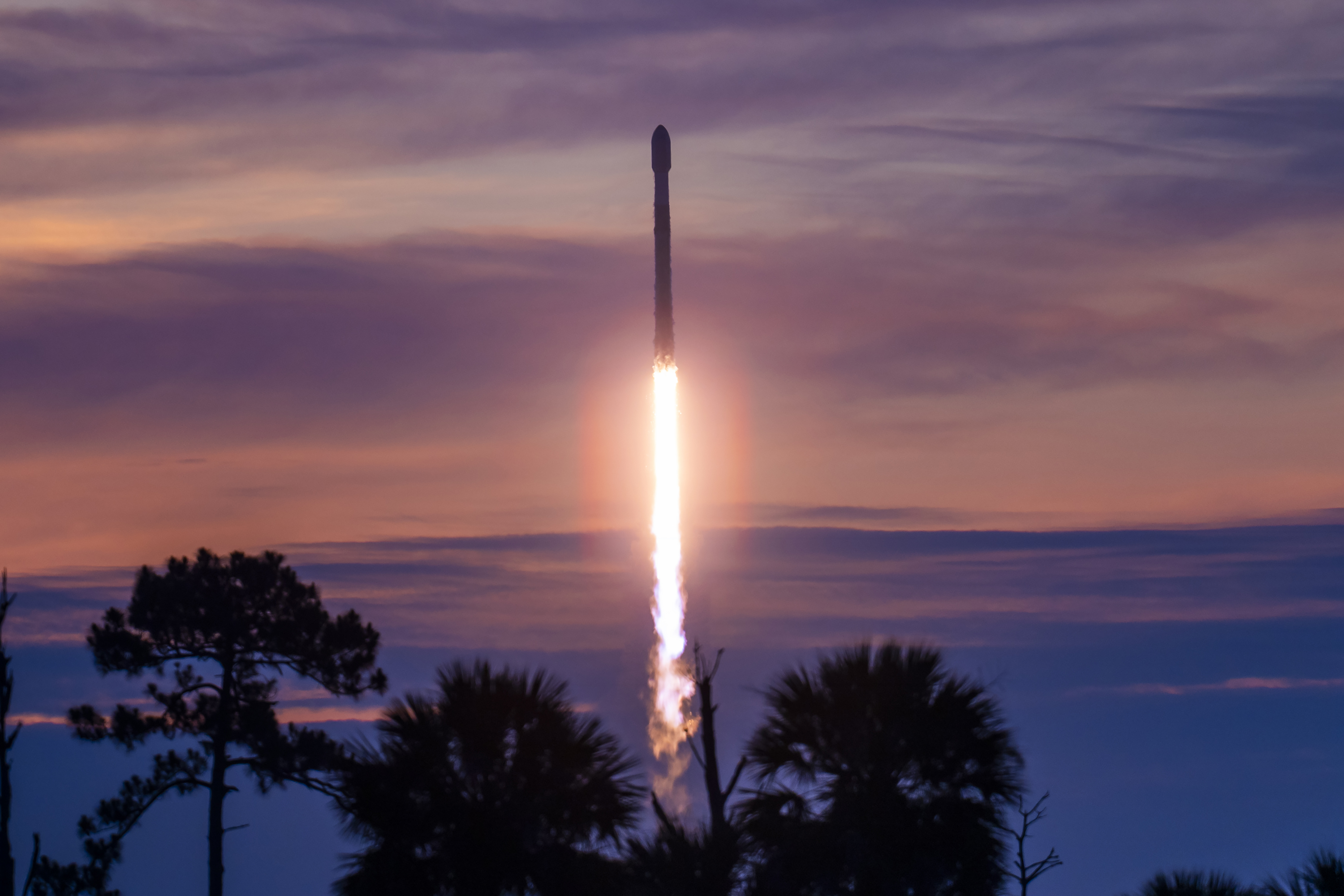
On June 7, 2026, a Falcon 9 lifted off from Launch Complex 40 at Cape Canaveral Space Force Station at 10:07 UTC, carrying another batch of Starlink satellites on the Starlink 10-35 mission. What made this otherwise routine launch anything but routine was the hardware doing the heavy lifting: the first-stage booster completing its 35th orbital flight, setting a new record for reuse of a liquid-fueled orbital-class rocket stage.
The booster first flew five years ago, meaning it has averaged a launch roughly every seven to eight weeks throughout its service life. After each mission, it returned to one of SpaceX's autonomous drone ships stationed in the Atlantic or Pacific, was towed back to port, inspected, refurbished, and cleared for another flight. The Starlink 10-35 mission also marked the 53rd dedicated launch for the Starlink megaconstellation, underscoring how central that program has become to SpaceX's launch manifest.
What the record actually means
It would be easy to dismiss milestones like this as corporate self-promotion. That would be a mistake. For most of spaceflight history, first stages were disposable: they did their job, then sank into the ocean. The Space Shuttle introduced partial reusability in theory, but the costs of refurbishing its main engines and solid rocket boosters between flights were so high that the economic logic never materialized.
SpaceX broke that pattern. A booster accumulating 35 flights without replacement is not a proof-of-concept — it is a mature industrial process. Each additional flight spreads the original manufacturing cost further, tightens turnaround schedules, and puts sustained downward pressure on launch pricing. That is the compounding logic of reusability at scale.
Some questions remain unanswered. SpaceX does not publish granular maintenance cost data between flights, nor does it publicly disclose the inspection criteria that ultimately determine when a booster is retired. Greater transparency on those variables would benefit the broader industry as it calibrates its own reusability targets.
A benchmark the competition must now answer
The 35-flight record lands at a moment when pressure on launch competitors is mounting. Rocket Lab is developing reusability for its larger Neutron vehicle. China's commercial launch sector has been conducting first-stage recovery tests with increasing frequency. ISRO is working toward reusable architectures. In Europe, Ariane 6 — currently expendable — has prompted renewed debate about whether a next-generation reusable European launcher can be developed before the competitive gap widens further.
Yet none of these players has come close to SpaceX's operational tempo. Reaching 35 reuses on a single stage requires not just reliable hardware but an entire supporting ecosystem: a fleet of recovery vessels, refurbishment infrastructure, spare-part supply chains, and critically, sufficient launch demand to sustain the cadence. SpaceX has Starlink as a built-in, near-unlimited source of that demand. Its rivals will need to engineer equivalent business models if they want reusability to translate into genuine cost competitiveness rather than a technical achievement that remains economically marginal.
For now, this five-year-old booster speaks more plainly than any press release about the distance still separating SpaceX from the rest of the industry.