Impulse Space: half a billion dollars for precision orbital delivery
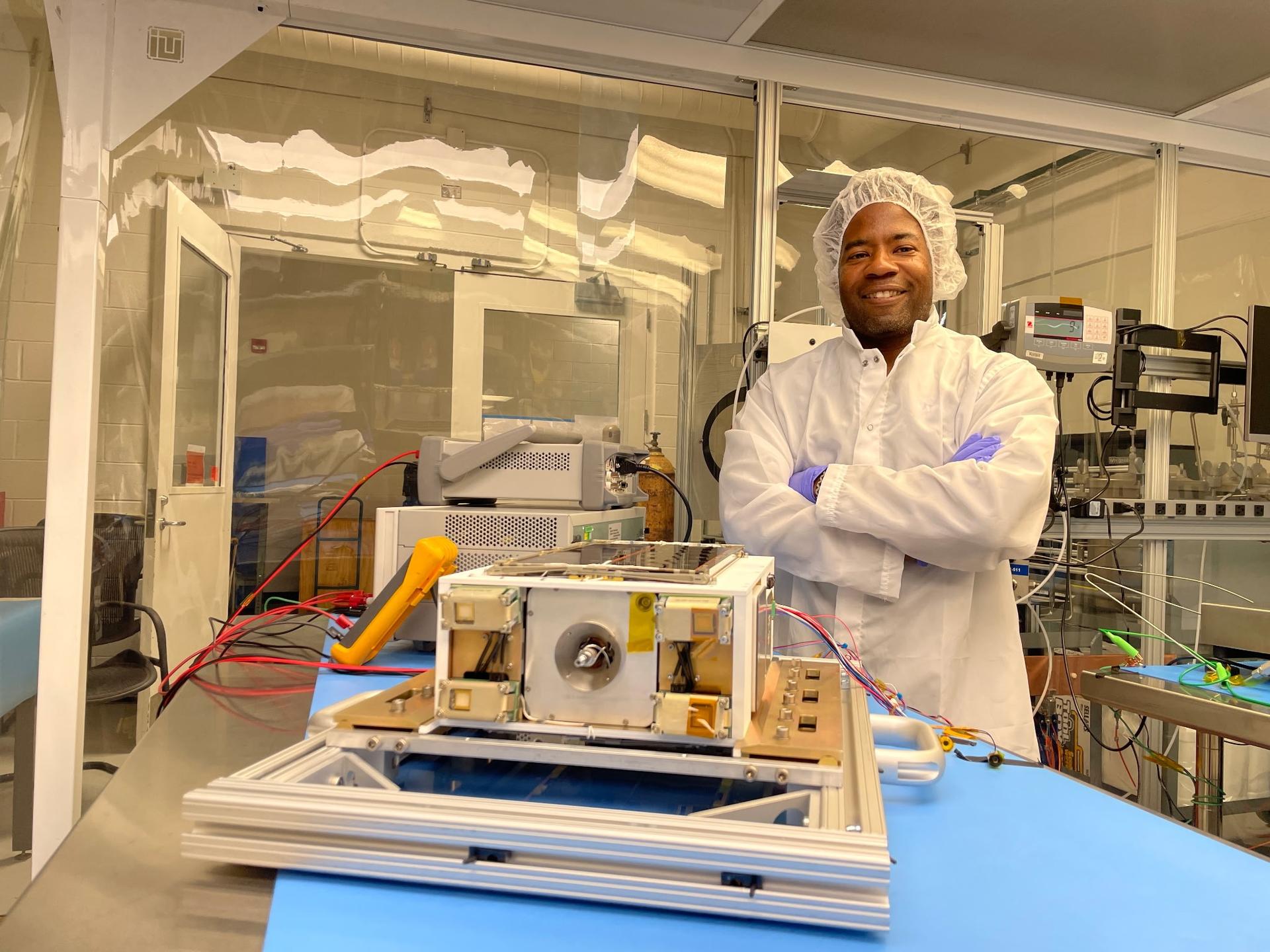
California-based Impulse Space announced in early June 2026 the closing of a $500 million funding round. The company intends to use the proceeds to scale up manufacturing of its orbital transfer vehicles and to develop additional spacecraft addressing demand from both commercial satellite operators and government customers.
Founded by Tom Mueller, a former SpaceX propulsion engineer, Impulse Space has carved out a niche in what the industry calls last-mile space logistics — precisely delivering payloads to orbits that primary launch vehicles cannot reach directly. The segment is increasingly competitive, with companies such as Momentus, Exolaunch, and D-Orbit all vying for a share of the same market.
The scale of this raise is notable. It signals that investors are betting on a sustained expansion of satellite constellations, bespoke government missions, and on-orbit servicing needs. The ability to maneuver, reposition, or deorbit satellites on demand is emerging as a standalone commercial service, not merely a technical capability bundled with launch contracts.
PLD Space: a tenfold revision of ambition at the Guiana Space Centre
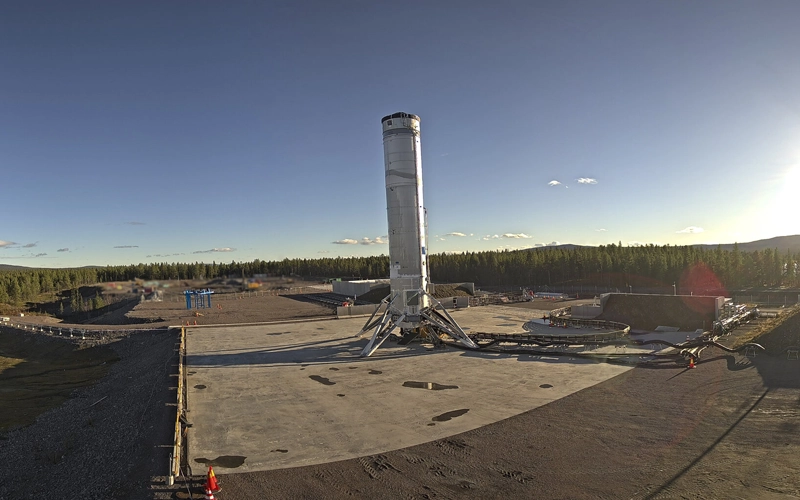
On the European side, Spanish launch startup PLD Space disclosed a substantial increase in the budget allocated to its future launch complex at the Guiana Space Centre in Kourou, French Guiana. The company originally announced a roughly €10 million investment in June 2024; that figure has now climbed to €35 million — more than three times the initial commitment.
The funds are directed at supporting the development of Miura 5, PLD Space's small launcher targeting the smallsat market. Operating from Kourou, managed jointly by the European Space Agency and the French space agency CNES, gives PLD Space access to near-equatorial latitudes — a meaningful orbital advantage for low Earth orbit and geostationary missions alike.
The revised budget also reflects a broader maturation of the European NewSpace ecosystem. Competitors including Rocket Factory Augsburg, Isar Aerospace, and HyImpulse are similarly competing for investor backing and institutional contracts in the micro- and mini-launcher segment, with each trying to narrow the gap with more established players in the United States and Asia.
Two complementary bets on commercial space's next chapter
Read together, these two announcements point to a structural shift in how the commercial space industry is evolving. The race is no longer defined solely by who can build the biggest or cheapest rocket. Orbital agility — the capacity to place, reposition, and maintain assets in space — is becoming a strategic service in its own right. Meanwhile, ground infrastructure remains a critical chokepoint that new entrants are actively working to relieve.
Whether these capital injections translate into operational services on schedule remains to be seen. The sector has a well-documented history of ambitious timelines that slip. But the density of investment announcements observed in the first days of June 2026 suggests that financial markets, at minimum, have chosen to believe the trajectory is real.