From test flights to orbital ambition
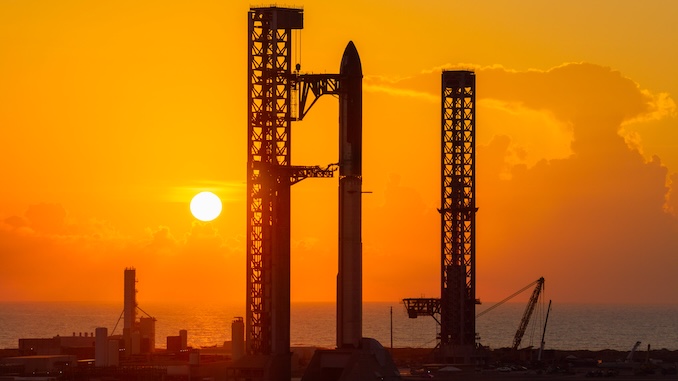
The Starship program has followed a deliberate, iterative path since its earliest full-stack tests ended in high-altitude explosions. Subsequent flights validated stage separation, controlled descent of the Super Heavy booster, and eventually the mechanical catch of that booster by the launch tower arms at Starbase in South Texas. Each milestone built on the last. With Integrated Flight Test 14, however, SpaceX is no longer simply validating hardware behavior — it is attempting to demonstrate that the complete system can sustain an orbital trajectory and survive the return journey through Earth's atmosphere.
To achieve this, the upper-stage Starship vehicle will need to complete at least one full orbit before executing a high-speed atmospheric reentry. That reentry profile — at true orbital velocities of several kilometers per second — has never been attempted by this vehicle and represents the defining challenge of IFT-14.
Regulatory clearance holds the key
The September 28 target date is contingent on one critical factor outside SpaceX's direct control: a launch license from the Federal Aviation Administration. The FAA has authority over commercial launch operations in the United States, and its approval process has shifted the schedule of previous Starship flights on more than one occasion.
SpaceX has indicated that both the vehicle and ground systems at Starbase are ready for the attempt. The launch tower is configured for flight operations, pre-launch checkouts have been completed, and the team is standing by. Should the FAA issue its authorization on schedule, a countdown could begin before the end of the month.
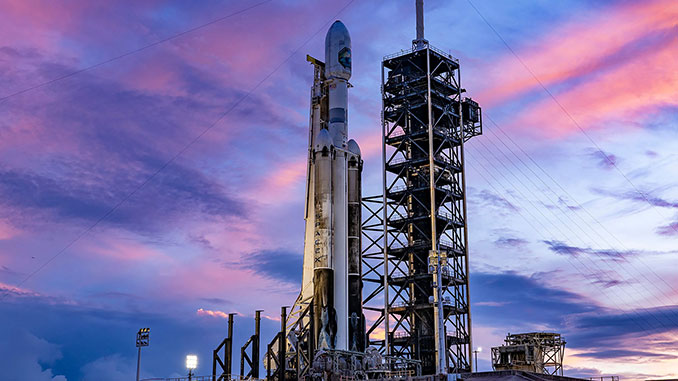
In parallel, SpaceX continues construction work at a second Starship launch facility at Kennedy Space Center in Florida, specifically at Launch Complex 39A. That site, once operational, will provide additional launch cadence flexibility and is particularly relevant for missions tied to NASA's Artemis lunar program.
Why orbital matters — technically and strategically
Reaching orbit is not simply a milestone on a test manifest. It is a prerequisite for every mission that Starship is being designed to support. NASA's Artemis III mission, which aims to land astronauts on the Moon, relies on a crewed Starship variant as its lunar lander. That contract, and the broader credibility of the vehicle as an operational system, depends on demonstrating orbital capability.
Thermal protection is among the most closely watched technical variables for IFT-14. Hundreds of ceramic heat shield tiles cover Starship's exterior, and their performance under the thermal loads of orbital reentry will be scrutinized in detail. Earlier flights provided partial reentry data, but nothing at the energy levels that a full orbital return will generate.
A successful IFT-14 — even if the outcome is partial rather than a textbook splashdown — would represent a genuine inflection point for the program. It would shift Starship from an experimental vehicle conducting atmospheric tests to a system that has, at least once, done what it was built to do: reach orbit and come back. The final weeks of September 2026 may well define the near-term trajectory of the most powerful rocket ever flown.