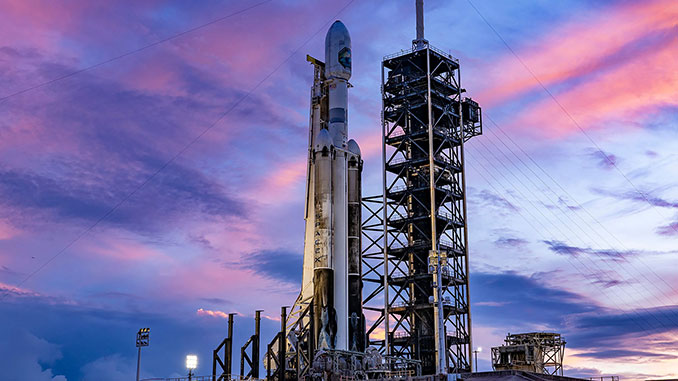
What initially appeared to be a potentially program-altering setback for Blue Origin may turn out to be a serious but recoverable blow. Following an incident at Launch Complex 36 on Cape Canaveral Space Force Station, CEO Dave Limp took to social media platform X to outline the situation and set a clear public target: New Glenn will fly again before the end of 2026.
Key infrastructure survived the blast
According to Limp, the most critical and expensive elements of the launch complex came through the incident in workable condition. The propellant farm — comprising liquid oxygen, liquid hydrogen, and liquefied natural gas storage tanks — sustained no significant damage. The nearby payload processing facility also emerged largely intact, sparing Blue Origin what could have been months of additional delays on that front.
The main support gantry did sustain damage, but Limp stated it can be repaired in place rather than torn down and rebuilt from scratch. That distinction matters enormously in terms of timeline. Blue Origin says inspection, repair, and reconstruction crews were deployed to LC-36 without delay, signaling that the company is treating this as an all-hands recovery effort.
Industry veterans urge caution on the timeline
Not everyone is taking the year-end commitment at face value. Engineers with experience at SpaceX — a company that has dealt with its own share of launch pad damage over the years — told specialist outlets that infrastructure repairs of this kind routinely uncover complications that aren't visible in early assessments. Structural certification requirements, sourcing of specialized materials, and the sheer complexity of verifying a repaired pad's flight readiness can all stretch timelines well beyond initial projections.
Those sources also noted the human dimension: teams working to rebuild damaged launch infrastructure operate under considerable pressure, and the environment is rarely conducive to cutting corners on safety checks. Blue Origin has not yet disclosed the financial cost of the repairs or indicated whether any customer manifests have been formally revised.
Commercial stakes remain high for New Glenn
New Glenn completed its first orbital flights in 2025 after a lengthy development process, positioning Blue Origin as a credible player in the heavy-lift launch market alongside SpaceX's Falcon 9 and Falcon Heavy vehicles. Any prolonged grounding risks eroding confidence among commercial and government customers who have committed payloads to the rocket.
The before-year-end target is described internally as achievable based on early damage assessments, but it leaves minimal buffer for the kind of complications that infrastructure repairs almost inevitably produce. The full scope of what caused the LC-36 incident has not been made public, and whether Blue Origin releases a formal incident report will likely shape how customers and observers judge the company's handling of the situation in the months ahead.