Back-to-back funding announcements shake up European NewSpace
The first days of September 2026 brought an unusual burst of financial news from Europe's private space sector. On September 2nd, German launch startup HyImpulse disclosed an extension of more than €50 million to its ongoing Series A round, pushing its total funding to €125 million since inception. The day before, Spanish counterpart PLD Space announced it had closed an additional €108 million tranche on top of its Series C, which had already reached €180 million when first announced in early March. The round now stands at a cumulative €288 million.
While the two deals differ considerably in scale and stage, they share a common signal: private investors are increasingly willing to back European launch providers, a market long dominated by government-backed agencies or established players like SpaceX and Rocket Lab.
Operational milestones on the horizon
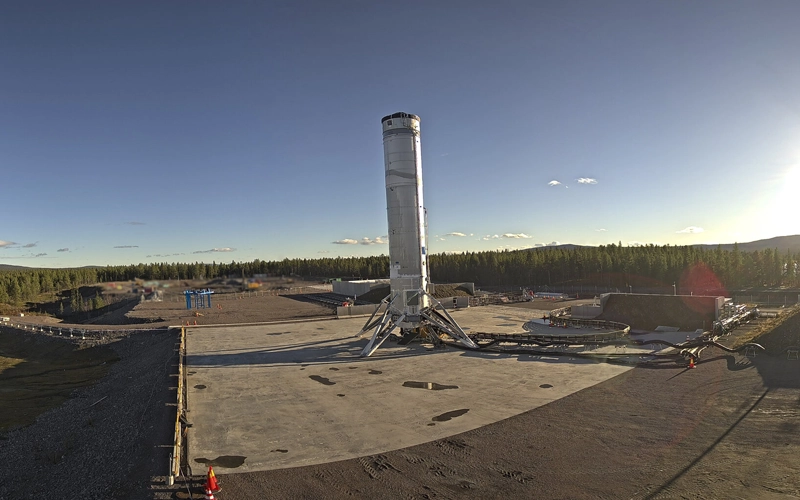
Both companies are putting that capital to work with concrete near-term objectives. HyImpulse, headquartered in Germany, is currently in preparation for the second test flight of its suborbital SR75 rocket, which burns a hybrid combination of paraffin wax and nitrous oxide — a propulsion approach the company has made central to its technical identity. Simultaneously, the team is advancing development of the SL1, a larger orbital-class vehicle intended to carry small payloads to low Earth orbit, for which an inaugural launch attempt is also on the schedule.
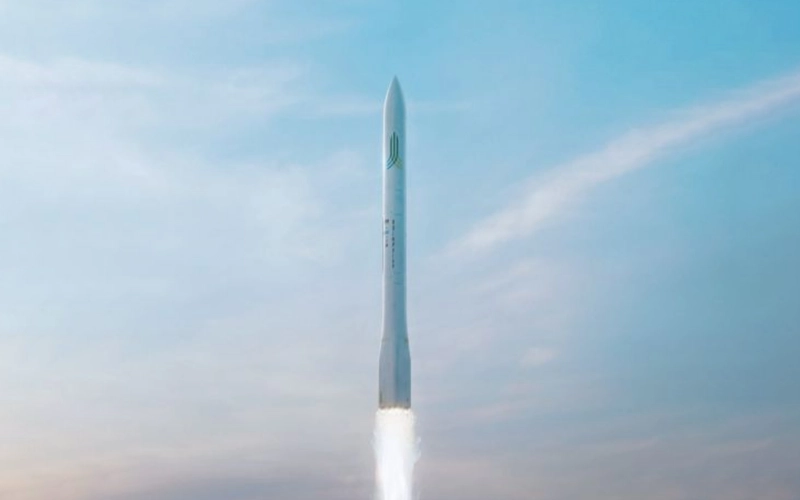
PLD Space, based in Elche on Spain's southeastern coast, is focused on the debut flight of its Miura 5 rocket, planned for later this year. The vehicle targets the growing nanosatellite and microsatellite market, a segment fueled by the proliferation of commercial constellations requiring frequent, flexible access to orbit. The company established its credibility with a successful suborbital demonstration of the Miura 1 vehicle in 2023, a milestone that helped it build momentum with institutional backers.
Europe's broader push for launch autonomy
The timing of these deals is not coincidental. Both announcements come as European space institutions are actively trying to cultivate a homegrown commercial launch ecosystem. The European Space Agency (ESA) and the European Commission have publicly committed to supporting private launch providers on the continent, partly in response to years of turbulence around government-backed programs, including the extended development timeline of the Ariane 6 rocket, operated by Arianespace.
HyImpulse and PLD Space represent two distinct engineering philosophies — one centered on hybrid propulsion, the other on a more conventional liquid-fueled architecture — but they share the same commercial ambition: to give satellite operators a reliable, cost-competitive European alternative to existing launch options. If upcoming flights proceed on schedule, the coming months could mark a genuine inflection point for the sector. The investor community, at least, appears to be betting that way.