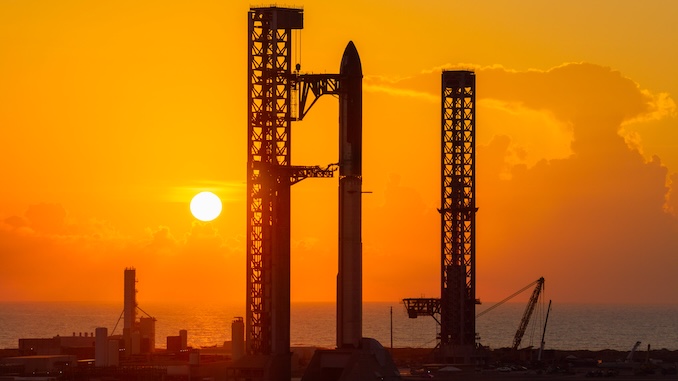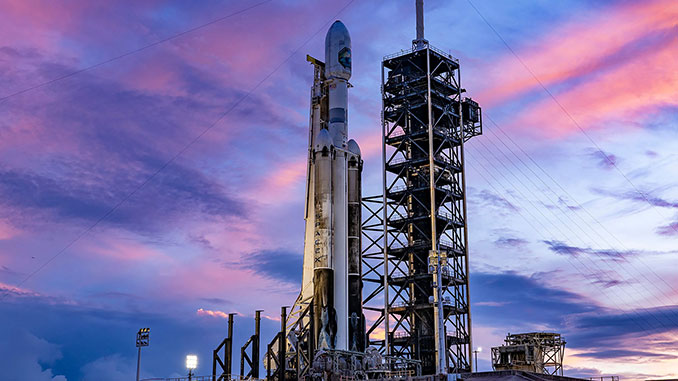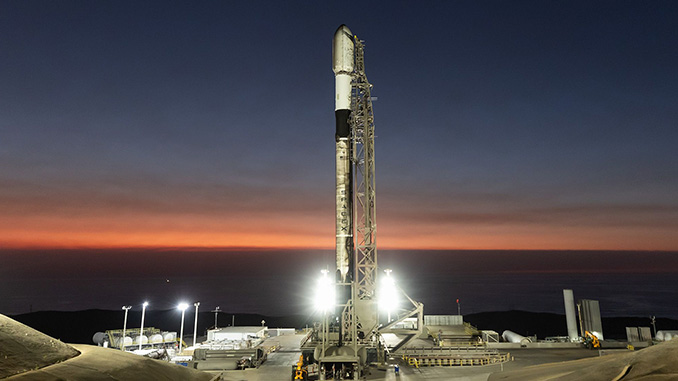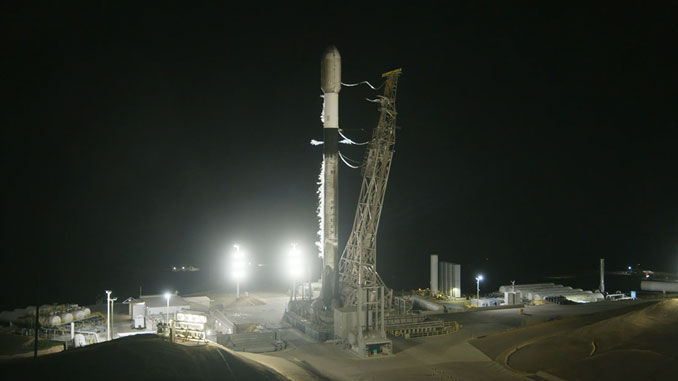
SpaceX sets the pace from Vandenberg
SpaceX has scheduled a Falcon 9 liftoff carrying a new batch of Starlink satellites from Vandenberg Space Force Base in California. Liftoff is targeted for 1:18 a.m. local Pacific time, which corresponds to 08:18 UTC. The predawn window is typical for West Coast launches, as it aligns with the orbital geometry required to reach the low-Earth orbit slots assigned to the Starlink broadband constellation. As with virtually every Falcon 9 mission, recovery of the first stage booster on a drone ship or landing zone remains a central part of SpaceX's reusable launch cadence.
This flight adds to an already relentless schedule maintained by the Hawthorne-based company throughout 2025 and into 2026, with turnaround times between missions often measured in days rather than weeks. Each additional deployment further densifies a network that already numbers in the thousands of operational satellites.
A global launch slate spanning continents
The SpaceX flight is just one piece of a notably packed week. According to pre-launch scheduling information, at least six missions from sites around the world were lined up for the period surrounding September 1st, 2026. The full roster of operators — potentially including government agencies such as NASA, ISRO, JAXA, or CNSA alongside commercial providers — had not been fully confirmed at the time of publication. What is clear, however, is that such a concentration of launch activity has become increasingly normalized across the industry.
The logistical implications are worth noting. Space surveillance networks, including those operated by the U.S. Space Force and cooperating international bodies, must track an ever-growing catalog of objects. With several new payloads entering orbit within the same short window, coordination among ground teams and orbital operators becomes correspondingly more complex.
NewSpace normalization: when launches become routine
A week featuring six launches from multiple countries would have been headline news a decade ago. Today, it is treated more like an airline timetable. The maturation of vehicles like SpaceX's Falcon 9 — still among the world's most frequently flown orbital rockets — alongside Rocket Lab's Electron and a growing fleet of international launchers has fundamentally altered the rhythm of the space sector.
For enthusiasts and industry watchers alike, this density of activity presents both opportunity and overload. Multiple countdowns ticking down across different time zones demand choices about where to focus attention, even as livestreams proliferate.
What this week ultimately reflects is a sector that has moved well beyond milestone events into something closer to operational normalcy — though the engineering complexity behind each launch remains anything but ordinary.