Two pads, two coasts, one constellation
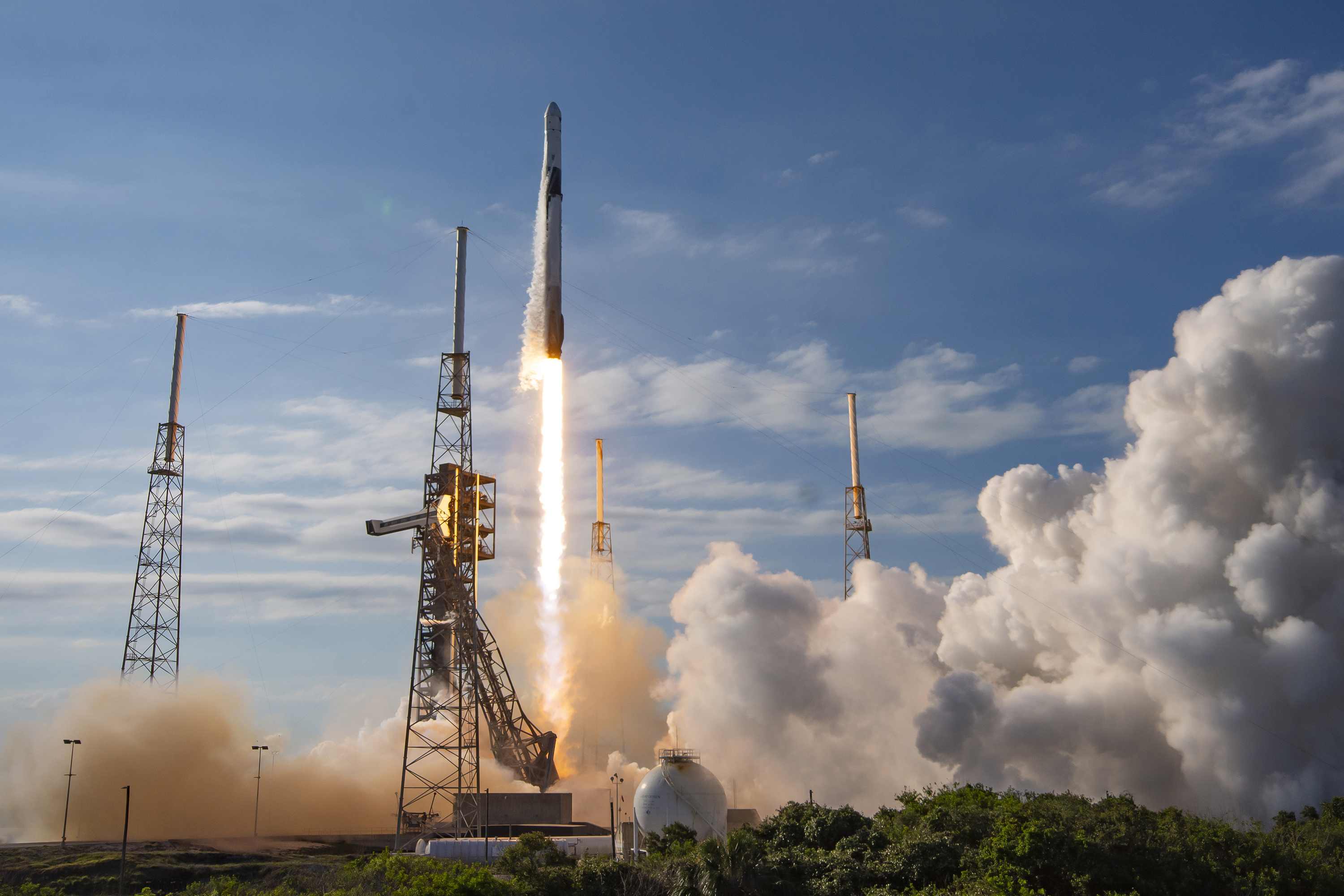
On August 10, 2026, a Falcon 9 rocket lifted off from Space Launch Complex 40 at Cape Canaveral Space Force Station in Florida at 12:20 p.m. EDT (1620 UTC), carrying 29 Starlink satellites to low Earth orbit. Designated Starlink 10-19, the mission logged as SpaceX's 72nd dedicated broadband satellite flight of the year — a figure that alone would have seemed extraordinary just a few years ago.
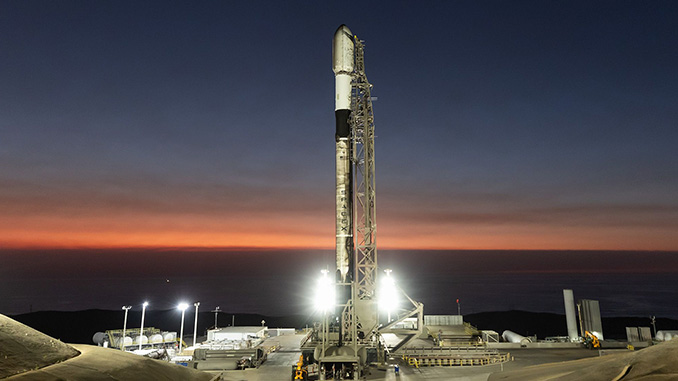
Less than two days later, the company repeated the feat from the opposite side of the country. A second Falcon 9 departed pad 4E at Vandenberg Space Force Base in California during a window opening at 7:00 p.m. PDT (0200 UTC), this time delivering 24 satellites as part of the Starlink 17-49 mission — the 73rd such flight in 2026. Together, the two launches added 53 satellites to an already vast orbital network in under 48 hours.
An operational tempo without parallel
The back-to-back launches are a vivid expression of the industrialized launch model SpaceX has been building for years. Averaging more than two Starlink-dedicated flights per week, the company operates at a frequency no other launch provider — not Arianespace, not Rocket Lab, not ULA, not ISRO — approaches for a single constellation program.
Several technical and logistical factors underpin this cadence. Falcon 9 first-stage boosters are recovered and reflown routinely, compressing turnaround times. Ground crews at both the Eastern and Western ranges have been optimized for rapid processing. And by operating from multiple launch sites with different orbital geometries, SpaceX can schedule flights in tight succession without pad conflicts, targeting varying inclinations to fill coverage gaps across the Starlink network.
The constellation now numbers in the thousands of active satellites, delivering broadband internet service to customers across every continent. SpaceX continues adding capacity to push throughput higher, reduce latency, and extend service to underserved regions — including high-latitude zones and markets in the developing world where terrestrial infrastructure remains limited.
A competitive landscape still catching up
The relentless deployment pace leaves rival broadband constellation programs at a structural disadvantage. Amazon's Project Kuiper has yet to reach comparable large-scale deployment, while Eutelsat OneWeb operates a considerably smaller network. In Europe, Arianespace and institutional partners are watching SpaceX's trajectory carefully as Ariane 6 works to establish a foothold in the commercial launch market.
The more pressing questions now centre not on SpaceX's ability to sustain the pace, but on where the ceiling lies. Spectrum regulators, particularly the Federal Communications Commission, are monitoring orbital congestion and interference management with growing attention as the number of active satellites in low Earth orbit climbs into the tens of thousands. Whether that environment remains sustainable — technically and regulatorily — will shape the next chapter of the broadband satellite race.