A launch tempo that rewrites the record books
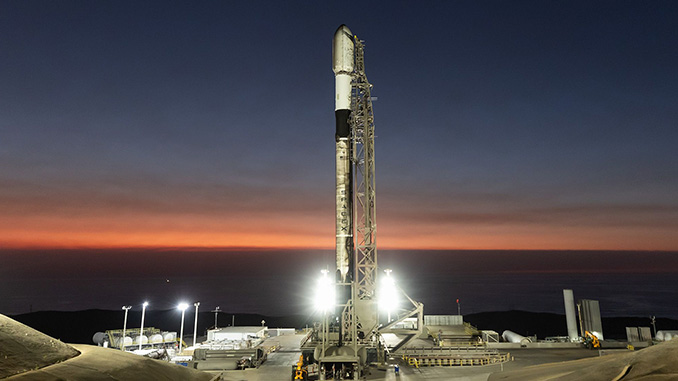
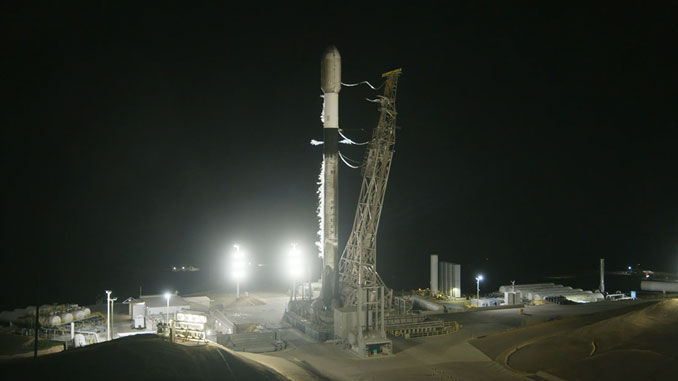
The Starlink 15-20 mission, which lifted off from Space Launch Complex 4 East at Vandenberg Space Force Base at 12:25 a.m. Pacific Time, was logged as the 99th Falcon 9 flight of the year. The 100th orbital mission followed shortly after, marking a milestone that would have seemed implausible even five years ago. Reaching a century of orbital launches before September — averaging roughly one flight every two and a half days — represents a structural shift in what a single launch provider can deliver.
This output is made possible by SpaceX's fleet of reusable Falcon 9 boosters, which routinely fly multiple missions apiece, combined with simultaneous operations across two launch sites: Vandenberg in California and Cape Canaveral in Florida. The logistical complexity behind each launch is considerable; sustaining it across dozens of back-to-back missions is a different challenge altogether.
Two thousand Starlink satellites launched in a single year
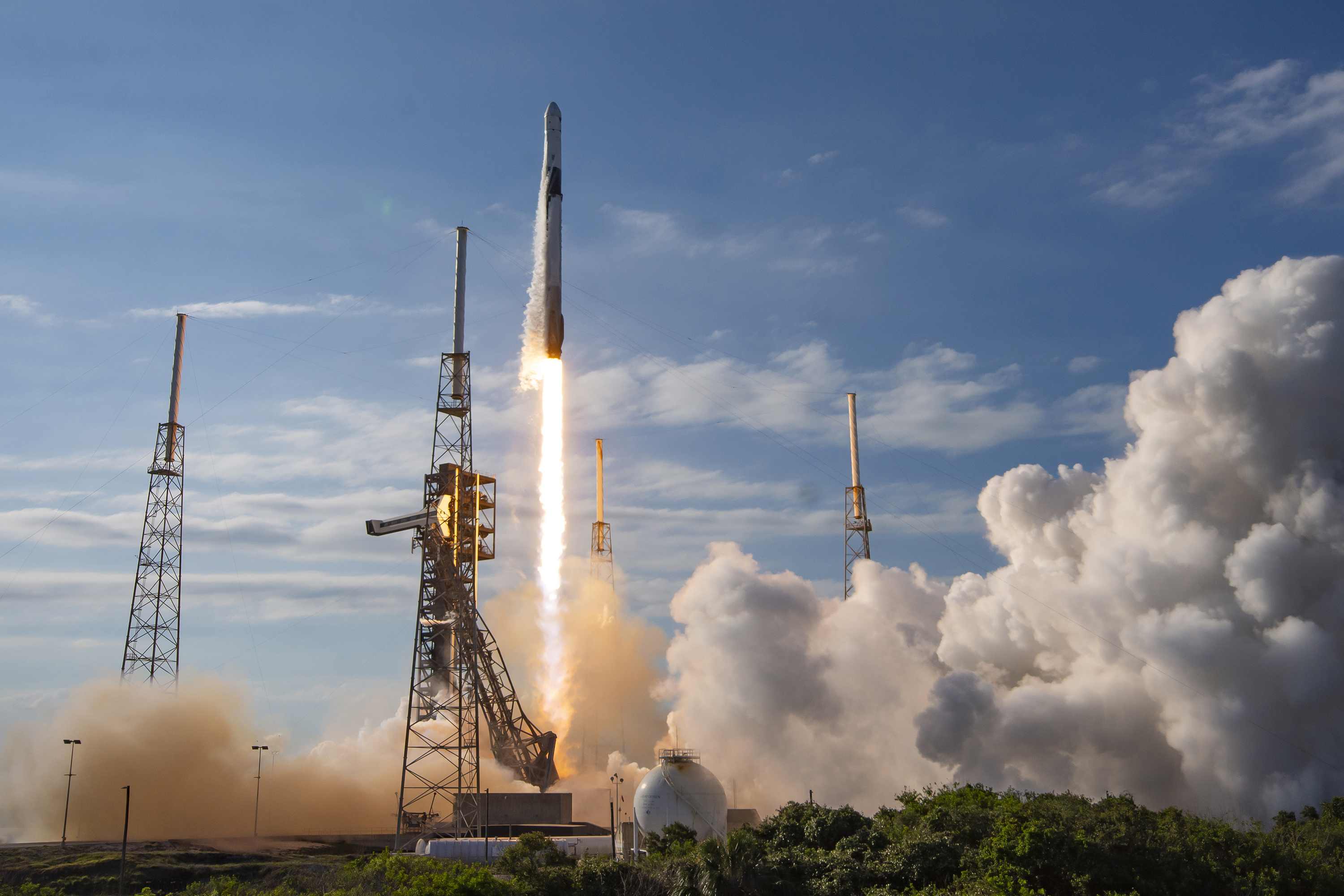
One day before the 100th orbital milestone, SpaceX reached another benchmark. The Starlink 10-39 mission, launched from Pad 40 at Cape Canaveral Space Force Station on August 20 at 11:38 a.m. Eastern Time, carried the 2,000th Starlink satellite to enter orbit in 2026. The figure underscores how aggressively SpaceX continues to build out its broadband megaconstellation, which now provides near-global coverage.
Competitors are still working to narrow the gap. Amazon's Project Kuiper has begun its own deployment phase, while Europe's Eutelsat OneWeb is consolidating its existing network. Neither has yet demonstrated a deployment cadence that approaches SpaceX's current pace. The commercial satellite internet market, for now, remains shaped primarily by decisions made in Hawthorne, California.
What this concentration of launch capacity means for the broader industry
Beyond the headline numbers, SpaceX's dominance raises substantive questions about market structure and strategic dependency. NASA continues to rely heavily on Falcon 9 for crewed and uncrewed missions alike, from International Space Station logistics runs to deep-space science payloads. That reliance is practical and cost-effective in the short term, but it concentrates critical national capability in a single commercial provider.
Other launch operators are investing in the future. Rocket Lab is developing the Neutron medium-lift rocket, Arianespace is steadily ramping up Ariane 6 operations, and ISRO is advancing its own next-generation vehicles. Each represents a bet that the launch market will eventually support more than one dominant player at this scale.
For now, the numbers speak for themselves: 100 orbital missions, 2,000 satellites, eight months. Whether the rest of the industry can mount a credible response before SpaceX's lead becomes structurally insurmountable is one of the defining questions of this decade in space.